Nikolay Sidorkin
Actor
Born: February 20, 1908 in Moscow, Russian Empire (now Russia) Died: September 17, 1972 Active: 1930s-1972 Birth Name: Nikolay Pavlovich Sidorkin (Николай Павлович Сидоркин)
Films
1 film
About Nikolay Sidorkin
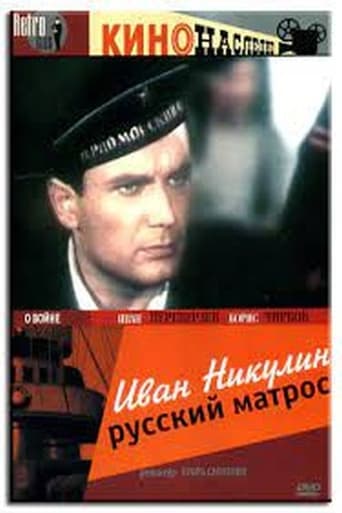
Nikolay Pavlovich Sidorkin — Soviet actor whose several decades, though his film appearances were relatively few compared to his extensive stage work. Born in Moscow in 1908, he developed his craft during the formative years of Soviet theater and cinema. Sidorkin became particularly associated with the prestigious Vakhtangov Theatre, where he honed his skills as a dramatic actor and built his reputation as a reliable character performer. His breakout film role came during World War II with 'Ivan Nikulin: Russian Sailor' (1944), a patriotic war film that showcased his ability to embody the Soviet everyman hero with authenticity and emotional depth. Despite having limited film appearances, his performance in this movie left a lasting impression on Soviet cinema audiences and became an representation of wartime heroism. Throughout his career, Sidorkin balanced his work between theater and film, with his primary focus remaining on the stage where he could explore a wider range of characters. He continued acting until his death in 1972, leaving behind a legacy as a respected figure in Soviet performing arts who successfully bridged theatrical and cinematic traditions.
The Craft
On Screen
Sidorkin was known for his naturalistic approach to character portrayal, particularly excelling in roles that required him to represent the common Soviet man with dignity and authenticity. His acting style was grounded in the Stanislavski system, emphasizing emotional truth and psychological depth rather than theatrical exaggeration. In his film work, he brought a sense of relatability to his characters, making them accessible and inspiring to Soviet audiences during difficult wartime periods. His stage performances were marked by strong vocal projection and physical presence, honed through years of theatrical training at the Vakhtangov Theatre. Sidorkin had the ability to convey complex emotions through subtle facial expressions and restrained gestures, making his portrayals feel genuine and heartfelt.
Milestones
- Long-standing member of the Vakhtangov Theatre in Moscow
- Title role in 'Ivan Nikulin: Russian Sailor' (1944)
- Awarded the title People's Artist of the RSFSR
- Extensive stage career spanning over three decades
- Successful transition from theater to film during wartime
Best Known For
Iconic Roles
Must-See Films
Accolades
Won
- People's Artist of the RSFSR (Russian Soviet Federative Socialist Republic)
Special Recognition
- People's Artist of the RSFSR - one of the highest artistic honors in the Soviet Union
Working Relationships
Worked Often With
Studios
Why They Matter
Impact on Culture
Sidorkin's portrayal of Ivan Nikulin made a significant contribution to Soviet cultural life during World War II, providing audiences with a heroic yet relatable figure during. His performance helped shape the archetype of the Soviet sailor/soldier in wartime cinema, representing courage, patriotism, and the indomitable spirit of the common man. Though his filmography was limited, his work in 'Ivan Nikulin: Russian Sailor' became part of the cultural memory of Soviet wartime propaganda and heroism, influencing how subsequent generations would view the naval heroes of the Great Patriotic War. The film itself remains an important document of Soviet cinema during World War II, showcasing the integration of artistic merit with political messaging.
Lasting Legacy
Nikolay Sidorkin is remembered primarily for his iconic role as Ivan Nikulin, which has endured as a representation of Soviet wartime heroism and the idealized Soviet sailor. His greater legacy lies in his contributions to Soviet theater, particularly his long association with the Vakhtangov Theatre, where he helped maintain the institution's reputation as one of Moscow's premier theatrical venues. While not as widely known internationally as some of his contemporaries, within Soviet and Russian cinema history, he represents the generation of actors who helped shape the cultural landscape during and after World War II. His work exemplifies the successful integration of theater and film in Soviet artistic practice, demonstrating how stage actors could bring depth and authenticity to cinematic performances.
Who They Inspired
As a theater actor who successfully transitioned to film, Sidorkin influenced subsequent generations of Soviet actors who sought to maintain careers in both mediums. His naturalistic acting style contributed to the evolution of Soviet screen acting away from the more theatrical styles of earlier Soviet cinema toward a more realistic and psychologically nuanced approach. His dedication to the Vakhtangov Theatre helped maintain its reputation as one of Moscow's premier theatrical institutions, setting an example of artistic commitment for younger performers. Sidorkin's ability to embody the Soviet everyman hero influenced how wartime characters were portrayed in subsequent Soviet films, establishing a template for relatable yet inspirational protagonists.
Off Screen
Nikolay Sidorkin maintained a relatively private personal life, with most public information focusing on his professional achievements rather than his private affairs. He remained dedicated to his craft throughout his life and was highly respected within the Soviet artistic community for his professionalism and artistic integrity. His career was primarily focused on his work rather than seeking public attention for personal matters. Sidorkin lived through major transformations in Soviet society, from the pre-revolutionary period through the Stalin era and into the Cold War, adapting his art to serve the changing cultural and political needs of his time.
Education
Likely studied at a Soviet theater institute, though specific details of his formal education are not widely documented in accessible sources
Did You Know?
- 'Ivan Nikulin: Russian Sailor' was his most famous film role, despite having limited film appearances throughout his career
- The film was shot during World War II and served as important propaganda to boost Soviet morale during the Great Patriotic War
- His character Ivan Nikulin became an iconic figure in Soviet wartime cinema, representing the ideal Soviet sailor
- He spent the majority of his career working in theater rather than film, with the Vakhtangov Theatre being his artistic home
- The Vakhtangov Theatre, where he worked for many years, was founded in 1921 by Yevgeny Vakhtangov and became one of Moscow's most prestigious theaters
- The film 'Ivan Nikulin: Russian Sailor' was directed by Igor Savchenko, who died shortly after its completion in 1945
- Sidorkin was awarded the title People's Artist of the RSFSR, a high honor reserved for the most Soviet cultural figures
- His birth and death both occurred in Moscow, spanning the Soviet era from before the revolution through the Cold War period
- The character of Ivan Nikulin was loosely based on real Soviet naval heroes from World War II, adding authenticity to the wartime propaganda
- Despite his limited filmography, his performance in the title role was so memorable that it defined his cinematic legacy and made him recognizable to Soviet audiences
In Their Own Words
While specific quotes from Nikolay Sidorkin are not widely documented in accessible sources, his most memorable lines would have been delivered as Ivan Nikulin, representing the courage and determination of Soviet sailors during wartime.
Frequently Asked Questions
Who was Nikolay Sidorkin?
Soviet with credits in this catalog.' He had a career primarily in theater, particularly with the Vakhtangov Theatre in Moscow, while making selective but impactful film appearances. His work spanned from the 1930s until his death in 1972, representing the generation of Soviet actors who bridged theatrical and cinematic traditions.
What films is Nikolay Sidorkin best known for?
Titles linked here include Ivan Nikulin: Russian Sailor (1944).
When was Nikolay Sidorkin born and when did he die?
Born February 20, 1908; died September 17, 1972.
What awards did Nikolay Sidorkin win?
Nikolay Sidorkin was honored with the title People's Artist of the RSFSR (Russian Soviet Federative Socialist Republic), which was one of the highest artistic honors in the Soviet Union. This recognition reflected his significant contributions to Soviet theater and cinema throughout his career and his status as a respected figure in the Soviet cultural establishment.
What was Nikolay Sidorkin's acting style?
Sidorkin's acting style was grounded in the Stanislavski system, emphasizing naturalistic performance and emotional authenticity rather than theatrical exaggeration. He excelled at portraying the common Soviet man with depth and relatability, particularly in his famous role as Ivan Nikulin. His theatrical background gave him strong stage presence and vocal projection, which he adapted effectively for his film work, creating memorable and authentic characters.
What was Nikolay Sidorkin's connection to theater?
Nikolay Sidorkin had a long and association with the Vakhtangov Theatre in Moscow, which was the primary focus of his career. While he made some notable film appearances, the majority of his artistic work was in theater, where he could explore a wider range of characters and develop his craft. His dedication to the Vakhtangov Theatre helped maintain its reputation as one of Moscow's premier theatrical institutions throughout the Soviet period.
How did Nikolay Sidorkin contribute to Soviet wartime cinema?
Sidorkin made a significant contribution to Soviet wartime cinema through his portrayal of Ivan Nikulin, which provided audiences with a heroic yet relatable figure during World War II. His performance helped shape the archetype of the Soviet sailor in wartime cinema, representing courage, patriotism, and the indomitable spirit of the common man. The film served as important propaganda while maintaining artistic merit, becoming an enduring example of Soviet wartime cultural production.