Mike Siebert
Actor
- Active
- 1916-1916
Films 1
About Mike Siebert
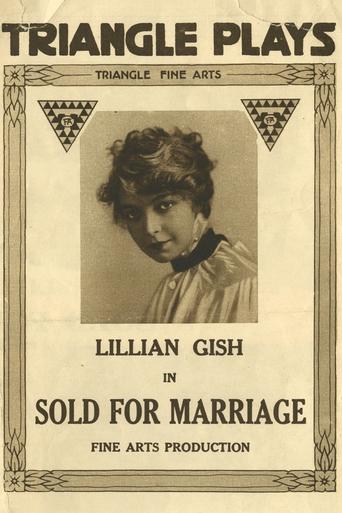
Mike Siebert is an obscure silent-era film performer whose surviving screen credit places him in the 1916 production Sold for Marriage. Beyond that single identified film appearance, the historical record available in standard film reference sources is extremely sparse, which suggests that he was likely a minor or bit-part player rather than a long-career star. Because the surviving documentation is limited, details of his early life, training, personal background, and later career are not currently verifiable with confidence. His presence in a 1916 silent feature nevertheless places him within the formative years of American cinema, when hundreds of small supporting performers moved through local, independent, and studio productions with little surviving biographical trace. Like many performers from the silent period whose names survive only in cast lists, Siebert represents the large and often anonymous labor force that helped build early screen storytelling. At present, he should be regarded as a documented but minimally recorded figure in film history rather than a personality with a well-preserved public biography.
More about Mike Siebert
In film history
Mike Siebert's cultural impact is primarily historical and archival rather than star-based. His name survives as part of the documentary record of silent film production, illustrating how many working actors contributed to the rapidly expanding motion-picture industry without receiving lasting fame. Even when a performer appears only once or in a small role, that credit helps scholars reconstruct casting networks, production practices, and the broader ecology of early cinema. In that sense, Siebert is part of the collective legacy of anonymous and semi-anonymous players who made silent-era filmmaking possible. For film historians, figures like Siebert are important because they remind us that early Hollywood and regional silent production depended on large pools of local talent whose careers were seldom fully publicized. His surviving credit also underscores the fragility of silent-film documentation: many performances, biographies, and even full filmographies were lost or never fully recorded. Although he is not known to have shaped culture as a celebrity, his presence in the record contributes to the completeness of cinema history and the reconstruction of early screen personnel.
Later reputation
Mike Siebert's legacy lies in his inclusion in the surviving cast history of Sold for Marriage and in the broader silent-film archive. He is representative of the many actors whose names are preserved in credits or trade references even though little else about their lives has survived. For researchers, such names are essential anchors for tracking production histories and understanding the personnel behind early American films. His enduring significance is therefore documentary: he helps fill out the historical map of silent-era acting labor.
Influence
There is no verifiable evidence that Mike Siebert directly influenced later performers or filmmakers in a documented way. His influence is best understood indirectly, as part of the early acting workforce whose collective methods, screen presence, and professional routines helped establish the conventions later refined by better-documented stars and supporting players. In archival terms, every preserved credit like his contributes to the study of casting practices and the evolution of silent-screen performance.
Off screen
No reliably verifiable personal-life information has been located in standard classic-cinema reference material. His family background, marriages, children, residence, and later-life activities are not currently documented in the available public record. As with many minor silent-era performers, he may have worked under limited publicity and left few surviving archival traces.
Credits
- Screen credit for the silent film Sold for Marriage (1916)
- Documented participation in early American silent cinema during the mid-1910s
- Representation of the many small supporting performers whose work is preserved mainly in cast records
Roles
- Role in Sold for Marriage (1916)
Films
- Sold for Marriage (1916)
Notes
- Mike Siebert is currently documented primarily through a single known film credit, Sold for Marriage (1916).
- He appears to have worked during the silent era, when many actors were credited inconsistently or not at all.
- The lack of surviving biographical detail makes him a typical example of an early cinema performer whose career is only partially recoverable.
- His record is useful to film historians because it helps verify cast lists for obscure or lesser-known silent productions.
- Performers like Siebert were often part of the large, flexible labor pool used by early studios and independent producers.
- His absence from widely known star biographies highlights how many contributors to silent cinema remained outside the era's publicity machine.
Questions
Who was Mike Siebert?
Mike Siebert was a silent-era film actor known from the 1916 film Sold for Marriage. Very little verified biographical information about him has survived, which suggests he was likely a minor performer rather than a widely publicized star.
What films is Mike Siebert best known for?
He is best known for Sold for Marriage (1916), which is the primary surviving screen credit associated with his name. No other films can be confidently attributed to him from the available record.
When was Mike Siebert born and when did he die?
His birth and death dates are not currently verifiable from standard classic-cinema reference sources. The available record does not provide confirmed information about his birthplace, lifespan, or later life.
What awards did Mike Siebert win?
No awards or nominations are known for Mike Siebert in the surviving record. Given the limited information available, he does not appear in the historical record as an award-recognized figure.
What was Mike Siebert's acting style?
His acting style cannot be reliably described because no detailed reviews, surviving performance analysis, or extensive filmography are available. As a silent-era performer, he would have worked within the expressive, gesture-based conventions typical of the period.
What is Mike Siebert's legacy in film history?
His legacy is archival and historical: he is one of many early screen actors whose names survive in cast records even when the rest of their life story has been lost. That makes him useful to film historians reconstructing the cast and production networks of the silent era.