Phil Sanford
Actor
- Active
- 1915-1915
Films 1
About Phil Sanford
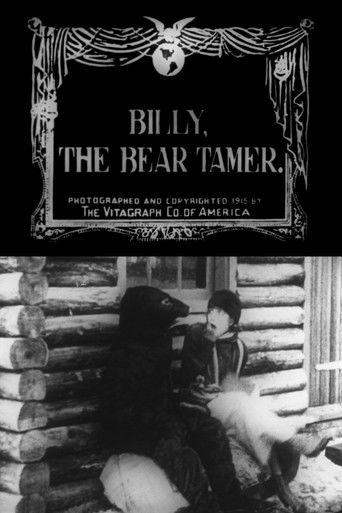
Phil Sanford is a very obscure silent-era film performer credited in the 1915 short Billy the Bear Tamer, but surviving biographical information about him is extremely limited. He appears in historical film records as an actor active at least in 1915, during the period when many performers worked briefly in shorts, one-reel comedies, and independent productions that were often poorly documented. Because of the scarcity of studio paperwork, press coverage, and surviving archival material, little can be confirmed about his personal background, training, or later life. At present, his screen career is best understood through a single surviving credit rather than a sustained filmography, suggesting he may have been a local player, vaudeville performer, or a small-part actor in early film production. No reliable evidence has been found for additional roles, awards, or major studio associations. His historical importance lies primarily in representing the many early film workers whose contributions to silent cinema are known only through fragmentary surviving credits.
More about Phil Sanford
In film history
Phil Sanford's cultural impact is difficult to measure because almost no biographical or career documentation survives beyond his 1915 screen credit. Even so, figures like Sanford are historically significant because they formed the working backbone of early American cinema, appearing in shorts and low-profile productions that helped define the medium's rapid expansion. Their names often appear in cast lists without corresponding interviews, publicity photographs, or fan-magazine profiles, which underscores how much silent-film labor has been lost to incomplete archives. In that sense, Sanford is part of a broader legacy of forgotten performers whose work contributed to the texture and growth of early screen comedy and silent-era storytelling.
Later reputation
Phil Sanford's legacy is primarily archival rather than celebrity-based: he remains a documented participant in early silent film history, even though the details of his career have not survived. For film historians, such names are important because they preserve evidence of production personnel and cast membership in the formative years of cinema. His surviving credit in Billy the Bear Tamer helps maintain the historical record of early screen entertainment, even if his individual performance and life story are no longer recoverable from readily available sources. He stands as an example of how many silent-era players have been nearly erased by time, making every verified credit valuable to the study of film history.
Influence
There is no verifiable evidence that Phil Sanford directly influenced later actors or directors in a documented way. His significance is more indirect, as part of the anonymous pool of early performers who collectively shaped silent-film acting conventions, comic timing, and production practices. Any influence he may have had would have been local, practical, or ephemeral rather than formally recorded in historical sources.
Off screen
No reliable public information has been located concerning Phil Sanford's personal life, including family background, marriages, children, residence, or education. As with many performers from the silent era, especially those with a single surviving screen credit, his off-screen life was likely never extensively covered in the trade press or later reference works. Until further archival evidence emerges, personal details remain unknown.
Credits
- Credited appearance in the 1915 silent film Billy the Bear Tamer
- Documented participation in the early one-reel silent cinema era
- Represents the many obscure performers whose work survives only in fragmentary film records
Roles
- Role in Billy the Bear Tamer (1915)
Films
- Billy the Bear Tamer (1915)
Notes
- Phil Sanford is known primarily from a single surviving 1915 credit rather than a full career history.
- Billy the Bear Tamer belongs to the silent short-film era, when many performers worked in quick-turnaround productions.
- His documentation is sparse enough that standard biographical fields such as birth date and birthplace remain unverified.
- He is an example of a silent-era performer whose film presence survives more clearly than his personal history.
- Because records are limited, he may have worked under a name that was not preserved in later reference books.
- His case illustrates how many early film actors have become nearly anonymous despite being part of cinema's foundational years.
Questions
Who was Phil Sanford?
Phil Sanford was an obscure silent-era actor known from a 1915 credit in Billy the Bear Tamer. Very little biographical information has survived, so he is remembered mainly as part of the early working cast of silent film productions.
What films is Phil Sanford best known for?
He is best known for Billy the Bear Tamer (1915), which is the only widely documented credit associated with him in available records. No other confirmed film appearances are readily verifiable from surviving sources.
When was Phil Sanford born and when did he die?
His birth and death dates are not currently documented in reliable surviving references. The historical record available for him is too sparse to confirm places, dates, or later-life details.
What awards did Phil Sanford win?
No awards or nominations are known for Phil Sanford. As an obscure silent-era performer with very limited surviving documentation, he does not appear in modern award records or major honors listings.
What was Phil Sanford's acting style?
His acting style cannot be assessed with confidence because no surviving reviews or detailed production notes describe his work. Like many silent-era actors, he likely performed in a broadly expressive, gesture-driven style suited to the visual storytelling of early cinema.
What is Phil Sanford's legacy in film history?
Phil Sanford's legacy is that of a documented but largely forgotten early film performer whose name survives in cast records. He represents the many minor players whose work helped build silent cinema even though their personal stories were not preserved.