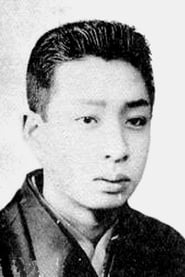
Momonosuke Ichikawa
Actor
Born: May 8, 1906 in Hiroshima, Japan Died: January 15, 1978 Active: 1925-1937 Birth Name: Naomasa Ueda
Films
1 film
About Momonosuke Ichikawa
Momonosuke Ichikawa (1906–1978) was a prominent Japanese actor during the silent and early sound eras of Japanese cinema, particularly noted for his work in the jidai-geki (period drama) genre. Born in Hiroshima as Naomasa Ueda, he entered the film industry during a transformative period when directors like Daisuke Itō were revolutionizing the visual language of Japanese film. He gained significant recognition for his role in the 1926 masterpiece 'Chōkon' (An Unforgettable Grudge), a film celebrated for its innovative cinematography and intense action sequences. Throughout the late 1920s and 1930s, Ichikawa became a staple of Nikkatsu Studios, often appearing in films that blended traditional kabuki-influenced acting with the emerging 'modern' style of dynamic swordplay. His the transition from silent films to talkies, and he remained active in the industry for several decades, eventually transitioning into supporting roles as the industry evolved. Despite the loss of many of his early works due to film degradation and war, his contribution to the golden age of silent jidai-geki remains a subject of study for film historians.
The Craft
On Screen
His style was characterized by a blend of traditional Kabuki theatricality and the more naturalistic, high-energy demands of the 'new' jidai-geki movement. He was known for his physical agility in sword-fighting scenes (tate) and his ability to convey deep emotional pathos, which was a hallmark of the nihilistic heroes popular in 1920s Japanese cinema.
Milestones
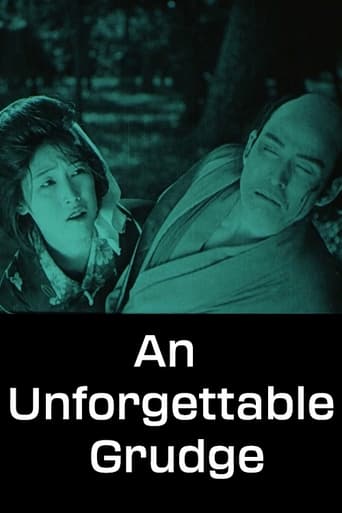
- Starred in the landmark silent film 'Chōkon' (An Unforgettable Grudge) in 1926
- Became a key contract player for Nikkatsu Studios during its most influential era
- Collaborated with director Daisuke Itō on several projects
- Successfully transitioned from silent cinema to sound films in the early 1930s
- Featured in the popular 'Mito Kōmon' film series during the mid-1930s
Best Known For
Iconic Roles
Must-See Films
Accolades
Special Recognition
- Posthumously recognized in various retrospectives of Nikkatsu Studios' history
- Featured in the National Film Archive of Japan's digital restoration projects
Working Relationships
Worked Often With
Studios
Why They Matter
Impact on Culture
Vital part of the movement that modernized the Japanese period film. By participating in films like 'Chōkon', he helped move the genre away from static, stage-like presentations toward a more cinematic, kinetic experience. His work helped define the 'nihilistic hero' archetype that dominated Japanese screens in the late 1920s, reflecting the social anxieties of the Taisho and early Showa eras.
Lasting Legacy
His legacy is primarily preserved through the surviving fragments of his silent films, which are considered treasures of Japanese cinema. As a contemporary of legends like Denjirō Ōkōchi, he represents the peak of the silent jidai-geki era. His performances continue to be studied for their historical value in understanding the evolution of Japanese acting techniques.
Who They Inspired
He influenced subsequent generations of jidai-geki actors by demonstrating how to balance the grace of traditional movement with the raw intensity required for modern action cinema.
Off Screen
Born Naomasa Ueda in Hiroshima, he was part of a generation of actors who moved to Kyoto to join the burgeoning film industry. He was also known by the names Todoki Nao and Naomasa Ueda in different professional contexts.
Education
Trained in traditional Japanese performance arts before entering the film industry.
Did You Know?
- His most famous film, 'Chōkon', originally ran for 74 minutes, but only a 12-minute fragment survives today.
- He used several different stage names throughout his career, including Todoki Nao.
- He was born in the same year (1906) as several other major figures of the Japanese 'Golden Age'.
- The film 'Chōkon' is often cited as the first collaboration between director Daisuke Itō and actor Denjirō Ōkōchi, with Ichikawa playing a pivotal supporting role.
- He appeared in a guest role as late as 1981 in the television series 'Mito Kōmon', showing his long-standing connection to that franchise.
Frequently Asked Questions
Who was Momonosuke Ichikawa?
Japanese film with credits in this catalog. He is best known for his roles in silent jidai-geki (period dramas) produced by Nikkatsu Studios.
What is Momonosuke Ichikawa's most famous film?
He is most famous for 'Chōkon' (An Unforgettable Grudge), directed by Daisuke Itō in 1926. Though mostly lost, the surviving fragment is considered a masterpiece of silent action cinema.
When was Momonosuke Ichikawa active in the film industry?
Born May 8, 1906; died January 15, 1978.
Did Momonosuke Ichikawa win any awards?
There are no records of major competitive awards for Ichikawa, as such ceremonies were not common in the Japanese film industry during his peak years in the 1920s.
What was Momonosuke Ichikawa's real name?
His birth name was Naomasa Ueda. He also used the professional name Todoki Nao at various points in his career.