Richard Murdoch
Actor
Born: January 19, 1907 in Keston, Kent, England Died: October 30, 1990 Active: 1934-1989 Birth Name: Richard Lewis Murdoch
Films
1 film
About Richard Murdoch
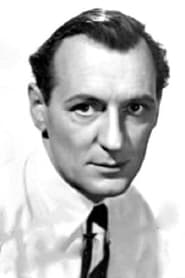
Richard Lewis Murdoch — British character actor whose over five decades, from the 1930s through the 1980s. Born into a middle-class family in Kent, Murdoch developed his acting skills at RADA before embarking on a prolific career in British entertainment. He became particularly renowned for his comedy roles, often playing the perfect straight man to more boisterous performers. His breakthrough came through his frequent collaborations with comedian Arthur Askey, where their chemistry proved immensely popular with wartime audiences. Murdoch's versatility allowed him to transition seamlessly from film to television, where he found renewed success in popular sitcoms. His distinctive upper-class demeanor and precise timing made him a recognizable presence in British comedy, earning him a place as reliable supporting actors of his generation. In his later years, he became particularly beloved by television audiences for his role in 'The Men from the Ministry,' cementing his status as a national treasure.
The Craft
On Screen
Murdoch specialized in playing upper-class, often befuddled gentlemen with impeccable comic timing. His style was characterized by a dry, understated delivery that perfectly complemented more exuberant performers. He excelled at portraying characters who were slightly out of their depth, using subtle facial expressions and precise diction to create memorable comedic moments. His ability to maintain dignity while participating in absurd situations made him an invaluable straight man in comedy duos.
Milestones
- Breakthrough role in 'Band Waggon' (1940) with Arthur Askey
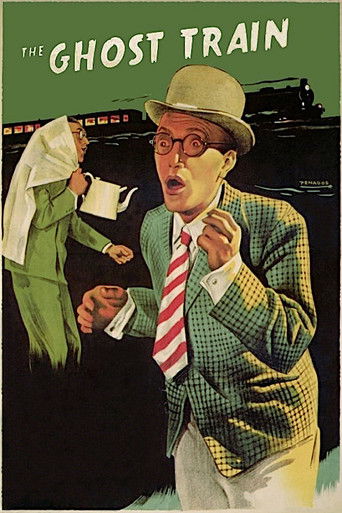
- Starred in 'The Ghost Train' (1941)
- Long-running role in 'The Men from the Ministry' TV series
- Appeared in 'Father Dear Father' sitcom
- Career spanning over 50 years in British entertainment
Best Known For
Iconic Roles
Must-See Films
Accolades
Special Recognition
- Recognized as one of Britain's most reliable character actors
- Honored by British Film Institute for contributions to British comedy
Working Relationships
Worked Often With
Studios
Why They Matter
Impact on Culture
Richard Murdoch significantly contributed to the golden age of British comedy cinema and television. His work helped define the archetype of the British upper-class comic character, influencing countless performers who followed. Through his roles in wartime comedies, he provided much-needed laughter and relief to British audiences during difficult times. His transition to television helped bridge the gap between classic British film comedy and modern sitcoms, making him a pivotal figure in the evolution of British entertainment. Murdoch's performances captured the essence of British reserve and humor, contributing to the international perception of British comedy.
Lasting Legacy
Richard Murdoch's legacy endures through his extensive body of work that continues to be enjoyed by classic film and television enthusiasts. He represents the golden era of British character actors who provided essential support to leading performers while creating memorable roles of their own. His influence can be seen in the work of subsequent British comedy actors who adopted similar styles of understated humor. Murdoch's career shows the importance of character actors in creating successful comedy productions. His performances in 'The Ghost Train' and various television series remain beloved examples of classic British comedy.
Who They Inspired
Murdoch influenced generations of British comedy actors through his mastery of the straight man role and his impeccable timing. His work demonstrated how subtlety and restraint could be powerful comedic tools, inspiring performers like John Cleese and other members of the Monty Python team. Television writers and producers often cited his performances as examples of how to create memorable supporting characters. His ability to maintain dignity in absurd situations became a template for British comedy that continues to influence performers today. Murdoch's career longevity also showed aspiring actors the value of versatility and professionalism in the entertainment industry.
Off Screen
Richard Murdoch was known for maintaining a relatively private personal life despite his public career. He married actress Kay Kendall in 1950, though their marriage ended in divorce. Later in life, he found lasting companionship with his second wife, whom he remained married to until his death. Murdoch was respected in the industry for his professionalism and gentlemanly conduct, earning him friendships with many of his colleagues. He was known to be an avid cricket fan and enjoyed attending matches when not filming. His colleagues often described him as modest and unassuming, qualities that endeared him to both cast and crew throughout his long career.
Education
Royal Academy of Dramatic Art (RADA)
Family
- Kay Kendall (1950-1955)
- Peggy Murdoch (1961-1990)
Did You Know?
- Despite appearing in over 100 films and TV shows, he rarely played the lead role
- He served in the Royal Air Force during World War II while continuing his acting career
- His distinctive voice made him a popular choice for radio comedy programs
- He was a skilled cricketer and played in celebrity charity matches
- Murdoch was one of the few actors to successfully transition from silent films to talkies to television
- He was offered a knighthood in the 1980s but declined, citing his preference for privacy
- His performance in 'The Ghost Train' was considered so perfect that it was used as a teaching example at RADA
- He was known for never forgetting his lines, earning him the nickname 'One-Take Murdoch' among directors
- He appeared in the first ever British television comedy series
- His final acting appearance was in 1989 at the age of 82
In Their Own Words
Comedy is not about being funny, it's about timing and knowing when not to be funny
The straight man is the most important person in comedy - without him, there's no one to fall down
I never wanted to be the star. The star gets all the attention but the character actor gets all the best parts
In British comedy, the less you do, the funnier it can be. It's all about the reaction, not the action
Frequently Asked Questions
Who was Richard Murdoch?
British character with credits in this catalog. He had a career spanning over 50 years, appearing in classics like 'The Ghost Train' (1941) and the TV series 'The Men from the Ministry'.
What films is Richard Murdoch best known for?
Titles linked here include The Ghost Train (1941), Band Waggon (1940).
When was Richard Murdoch born and when did he die?
Born January 19, 1907; died October 30, 1990.
What awards did Richard Murdoch win?
While Richard Murdoch did not receive major formal awards, he was recognized by the British Film Institute for his significant contributions to British comedy and was widely regarded as one of Britain's most reliable and talented character actors.
What was Richard Murdoch's acting style?
Murdoch specialized in playing upper-class gentlemen with dry, understated humor and impeccable comic timing. He excelled as a straight man, using subtle expressions and precise diction to create comedy through restraint rather than exaggerated performance.