Films
2 films
About John P. Wade
American actor who worked during the transitional period between silent films and early sound cinema in Hollywood. His screen career spanned the early 1920s through the mid-1930s, though he appeared in relatively few documented films. His most notable screen appearances include the silent romantic drama 'The Bride's Play' in 1922 and the controversial exploitation horror film 'Maniac' in 1934. Wade was part of the large pool of character actors and supporting players who populated Hollywood films during this era, often working without receiving top billing or extensive recognition. His appearance in 'Maniac' placed him in one of the more notorious exploitation films of the pre-Code era, known for its shocking content and psychological themes. Like many actors of his generation, Wade's career was likely impacted by the transition from silent to sound films and the increasing professionalization of Hollywood acting. His filmography, while limited, represents the type of journeyman actor who helped fill out the casts of both mainstream and exploitation films during early Hollywood's formative years.
The Craft
Milestones
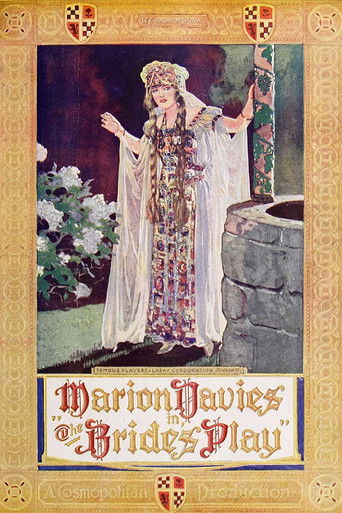
- Appeared in silent film 'The Bride's Play' (1922)
- Acted in controversial exploitation film 'Maniac' (1934)
- Worked during Hollywood's transition from silent to sound films
- Part of pre-Code Hollywood film industry
Best Known For
Must-See Films
Working Relationships
Worked Often With
Why They Matter
Impact on Culture
John P. Wade's contribution to cinema, while not widely documented, represents the important role that supporting and character actors played in early Hollywood. His appearance in 'Maniac' (1934) connects him to. The film itself has become a cult classic and is studied by film historians for its place in the development of American horror and exploitation cinema. Wade and actors like him were the backbone of Hollywood's studio system, providing the necessary depth to film ensembles that allowed star-driven productions to succeed.
Lasting Legacy
John P. Wade's legacy is primarily preserved through his surviving film work, particularly 'Maniac' (1934), which continues to be screened at film festivals and studied by cinema historians interested in pre-Code Hollywood and exploitation cinema. While he never achieved the fame of leading actors of his era, his participation in these films contributes to our understanding of the complete ecosystem of early Hollywood filmmaking. His career trajectory from silent films to early sound exemplifies the challenges faced by many actors during this transitional period in cinema history.
Who They Inspired
As a supporting actor from the early Hollywood era, John P. Wade's direct influence on subsequent generations of performers is difficult to trace, as was common for character actors of his time who did not achieve widespread recognition. However, his work in films like 'Maniac' contributed to the development of exploitation and horror cinema genres that would later influence countless filmmakers and actors.
Off Screen
Very little is documented about John P. Wade's personal life, which was common for supporting actors of his era who did not achieve major stardom. Like many character actors of the silent and early sound period, his life off-screen remains largely unknown to film historians.
Did You Know?
- Appeared in films spanning both the silent and early sound eras
- His most famous film 'Maniac' (1934) was directed by exploitation filmmaker Dwain Esper
- 'Maniac' was one of the first films to be widely condemned for violent content
- The film 'Maniac' was later included in the book 'Forbidden Film' as
- Like many actors of his era, Wade's complete filmography may be partially lost due to film deterioration and incomplete studio records
- Credits cover 12 years in this catalog during one of Hollywood's most dynamic periods of change
Frequently Asked Questions
Who was John P. Wade?
American with credits in this catalog. He was a supporting actor during the transitional period of cinema history.
What films is John P. Wade best known for?
Titles linked here include The Bride's Play (1922), Maniac (1934).
When was John P. Wade active in films?
John P. Wade was active in films from 1922 to 1934, working during Hollywood's transition from silent films to sound pictures and through the pre-Code era.
What was significant about the film 'Maniac'?
'Maniac' (1934) was a controversial exploitation horror film directed by Dwain Esper that pushed boundaries of acceptable screen content. It was widely condemned for violence and psychological themes but later became recognized as an important example of pre-Code exploitation cinema.
Why is there limited information about John P. Wade?
Limited information about John P. Wade is common for supporting actors of his era who never achieved major stardom. Many character actors from early Hollywood had incomplete documentation of their lives and careers.