
Films
3 films
About Mario Mariani
Mario Mariani appears once in this catalog: By the Cross (1913). His career, though brief, spanned from 1913 to 1915, placing him among the earliest generation of film actors in Italy. Mario appears in at least two significant productions of the era: 'By the Cross' (1913) and the notable science fiction film 'Filibus' (1915). His role in 'Filibus' was particularly significant as the film is considered an early example of the science fiction genre and features one of cinema's earliest female villain protagonists. Like many actors of this period, Mariani was likely a stage actor who transitioned to the new medium of motion pictures as the film industry began to flourish in Italy. His career coincided with what many consider the golden age of Italian silent cinema, when Italian films were internationally acclaimed for their epic scale and artistic innovation.
The Craft
Milestones
- Appeared in 'By the Cross' (1913)
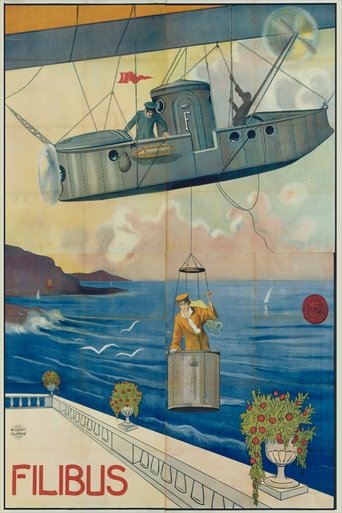
- Starred in 'Filibus' (1915), an early science fiction film
- Participated in the era of Italian cinema
- Worked during the golden age of Italian silent films
Best Known For
Iconic Roles
Must-See Films
Why They Matter
Impact on Culture
Mario Mariani's contribution to cinema, while not widely documented, represents the work of the countless actors who helped establish the foundations of film acting during the silent era. His participation in 'Filibus' connects him to an important early science fiction work that has gained recognition among film historians and scholars for its innovative approach to the genre. The film itself has become a subject of academic interest for its progressive themes and technical achievements, making Mariani part of cinema's early experimental period.
Lasting Legacy
Mario Mariani's legacy is preserved through his surviving film work, particularly 'Filibus', which has been restored and studied by film historians interested in early science fiction and the development of cinematic storytelling techniques. As an actor from the era of Italian cinema, he represents the generation of performers who helped establish the conventions of film acting before the codification of cinematic techniques. His work serves as a valuable resource for understanding the evolution of performance styles in early cinema.
Who They Inspired
While specific documentation of Mario Mariani's influence on other actors is not available, his work in early films like 'Filibus' contributes to the broader understanding of how acting techniques evolved during the silent era. The preservation of his performances provides insight into the theatrical acting styles that were common in early cinema before the development of more naturalistic film acting methods.
Off Screen
Very little is documented about Mario Mariani's personal life, which was common for actors of the early silent era who were not major stars. Like many performers of his generation, he likely came from a theatrical background and was drawn to the emerging film industry during its rapid expansion in Italy.
Did You Know?
- Mario Mariani appeared in 'Filibus' (1915), which features one of cinema's earliest female supervillains
- His active years covered only three years during the period of Italian cinema
- He worked during what many consider the golden age of Italian silent films (1910s)
- 'Filibus' is now considered an important early science fiction film by film historians
- Like many early film actors, Mariani likely transitioned from stage to screen
- His film work has survived more than a century, allowing modern audiences to experience early Italian cinema
- The films he appeared in were made during a period when Italian cinema was internationally dominant
Frequently Asked Questions
Who was Mario Mariani?
Italian silent film with credits in this catalog. He appeared in at least two films, 'By the Cross' (1913) and 'Filibus' (1915), representing the generation of film actors in Italy during the golden age of Italian silent cinema.
What films is Mario Mariani best known for?
Titles linked here include Filibus (1915), By the Cross (1913).
When was Mario Mariani born and when did he die?
Unfortunately, specific birth and death dates for Mario Mariani are not documented in available historical records, which was common for many actors of the early silent era who were not major stars. We know he was active as an actor between 1913 and 1915.
What awards did Mario Mariani win?
There are no documented awards or honors for Mario Mariani, which was typical for actors working in the early 1910s before the establishment of formal film awards systems. The Academy Awards would not be established until 1929, well after his known career ended.
What was Mario Mariani's acting style?
While specific details about Mario Mariani's acting style are not extensively documented, actors of his era typically employed theatrical techniques adapted for the silent medium. Early silent film acting often featured exaggerated gestures and expressions to convey emotion without dialogue, and Mariani would have worked within these emerging conventions of film performance.