Films
1 film
About Oliver D. Bailey
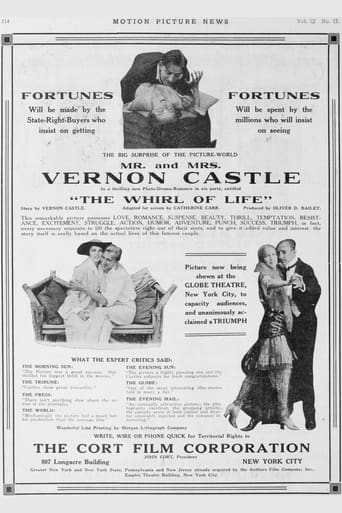
Film director active during the silent era, known primarily for his sole directorial credit 'The Whirl of Life' in 1915. Very little documented information exists about Bailey's career, suggesting he may have been a one-time director or had an extremely brief tenure in the film industry. His work came cinema history when feature films were just beginning to emerge as the dominant form of entertainment. The year 1915 marked significant developments in filmmaking techniques and narrative structures, with directors like D.W. Griffith cinematic language. Bailey's contribution, though minimal in scope, represents the countless individuals who participated in cinema's formative years. The lack of extensive records about his career is not uncommon for directors from this period, many of whom worked anonymously or their contributions have been lost to history. His single known work places him among the early pioneers who helped establish the foundation of American cinema.
The Craft
Behind the Camera
Silent era directing style typical of 1915, likely influenced by the theatrical traditions and emerging cinematic techniques of the period
Milestones
- Directed 'The Whirl of Life' in 1915
Best Known For
Must-See Films
Why They Matter
Impact on Culture
As a director from the earliest days of American cinema, Oliver D. Bailey represents the countless filmmakers who contributed to the development of the medium during its formative years. While his individual impact may be difficult to trace due to limited documentation, directors working in 1915 were part of a revolutionary period that established many of the foundational techniques of filmmaking. The year 1915 was particularly significant in cinema history, with the release of groundbreaking films like 'The Birth of a Nation' that demonstrated the artistic potential of motion pictures. Even directors with brief careers like Bailey contributed to the rapid evolution of cinematic language and storytelling techniques that would define the industry for decades to come.
Lasting Legacy
Oliver D. Bailey's legacy is primarily preserved through his single known directorial work 'The Whirl of Life' (1915), which serves as a historical artifact from the silent era's early period. While not widely remembered in film history circles, his contribution represents the broader collective effort of early filmmakers who helped establish cinema as an art form. The scarcity of information about Bailey also highlights the challenges of film preservation and historical documentation from the silent era, where many records and films have been lost to time. His work stands as proof of the experimental and spirit of early 20th century filmmakers who were essentially creating the rules of cinematic storytelling as they worked.
Who They Inspired
Given the limited documentation of Oliver D. Bailey's career and the apparent brevity of his time in the film industry, there is little evidence of direct influence on other filmmakers. However, like all directors working in 1915, he would have been part of the collective evolution of cinematic techniques that influenced subsequent generations of filmmakers. The early silent period was characterized by rapid innovation and experimentation, with directors learning from each other's work and building upon emerging techniques. Even directors with minimal output contributed to this shared pool of knowledge that would eventually shape the language of cinema.
Off Screen
Very little personal information is available about Oliver D. Bailey, which is not uncommon for directors from the very early silent era who had brief or limited careers in the film industry.
Did You Know?
- Oliver D. Bailey's entire known directorial career consists of just one film in 1915
- 'The Whirl of Life' (1915) is now considered a lost film, with no known surviving copies
- 1915 was a pivotal year in cinema, marking the transition from short films to feature-length productions
- Directors from this period often worked anonymously or their contributions were poorly documented
- The lack of information about Bailey is typical of many early silent era filmmakers whose careers were brief
- Film preservation efforts have been unable to locate any copies of Bailey's only known work
- Early directors like Bailey often had backgrounds in theater or other performing arts
- The year 1915 saw the establishment of many film production companies that would become Hollywood studios
Frequently Asked Questions
Who was Oliver D. Bailey?
on YTB.my. Very little is documented about his career, suggesting he had an extremely brief tenure in the film industry with only one known directorial credit.
What films is Oliver D. Bailey best known for?
Titles linked here include The Whirl of Life (1915).
When was Oliver D. Bailey active as a director?
Oliver D. Bailey was active as a director only in 1915, according to available filmography records. His entire known career spans just this single year during the early silent film period.
Why is there so little information about Oliver D. Bailey?
The scarcity of information about Bailey is common for directors from the very early silent era who had brief careers. Many records from this period have been lost, and directors with limited filmographies often received minimal documentation in contemporary trade publications.
What was significant about 1915 in cinema history?
1915 was a pivotal year in cinema, marking the transition from short films to features and the release of groundbreaking works like D.W. Griffith's 'The Birth of a Nation.' Directors working this year were part of cinema's rapid evolution as an art form and industry.