
Films
1 film
About Maggie Weston
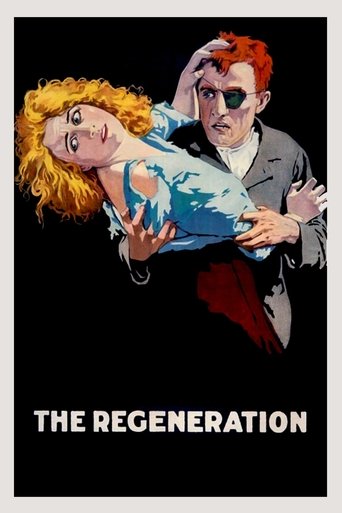
Silent film actress who had a brief but notable career during the early days of American cinema. She is primarily known for her role in Raoul Walsh's 1915 gangster film 'The Regeneration,' which was one of the first feature-length crime dramas produced in Hollywood. Weston appeared in the film alongside Rockliffe Fellowes and Anna Q. Nilsson, playing a supporting role in this influential production that helped establish the gangster genre. Her career appears to have been extremely brief, with film records showing activity only in the year 1915, suggesting she may have been a contract player or someone who briefly pursued acting before leaving the industry. Like many actors from the silent era, her contributions have been largely overshadowed by time, but her participation in this historically significant film places her within the early development of American cinema. The Regeneration itself was notable for being filmed on location in New York's Lower East Side and for its realistic portrayal of urban crime, making Weston part of an important early experiment in location shooting and social realism.
The Craft
Milestones
- Appeared in 'The Regeneration' (1915), one of the first feature-length gangster films
- Worked with director Raoul Walsh
- Participated in early location filming in New York's Lower East Side
Best Known For
Iconic Roles
Must-See Films
Working Relationships
Worked Often With
Studios
Why They Matter
Impact on Culture
Maggie Weston's cultural impact is primarily tied to her participation in 'The Regeneration,' a film that helped establish the gangster genre in American cinema. Although her role was supporting, she contributed to a production that pioneered location shooting and social realism in Hollywood films. The film itself influenced countless later gangster movies and demonstrated the commercial viability of crime dramas. Weston, as part of this early production, represents the many anonymous actors who helped build the foundation of American cinema during its formative years.
Lasting Legacy
Maggie Weston's legacy is that of a representative figure from the early silent era - an actor whose brief career intersected with an important moment in film history. While she did not achieve lasting fame, her appearance in 'The Regeneration' ensures her place in the historical record of American cinema. She exemplifies the countless supporting players who contributed to early films but whose names have faded from public memory, highlighting how collaborative the art of filmmaking truly is, even in its earliest days.
Who They Inspired
Given her extremely brief career and supporting role, there is no documented evidence of Maggie Weston directly influencing other actors or filmmakers. However, her participation in a groundbreaking film contributed to the evolution of the gangster genre, which would later influence countless directors and actors. Like many early film actors, her work helped establish the visual language and storytelling techniques that would become standard in cinema.
Off Screen
Very little is documented about Maggie Weston's personal life, which is typical for many supporting actors from the silent era who did not achieve star status. Her brief film career suggests she may have been young when she appeared in 'The Regeneration' and possibly pursued other interests afterward. The lack of extensive biographical information indicates she did not remain in the public eye after her brief acting stint.
Did You Know?
- Appeared in one of the first feature-length gangster films ever made
- Worked with director Raoul Walsh during his early career
- The Regeneration was filmed on location in New York's Lower East Side, unusual for the time
- Her entire known film active years covered only one year
- The Regeneration was produced by Fox Film Corporation, which would later become 20th Century Fox
- The film was considered quite daring for its realistic portrayal of urban crime and poverty
- Weston was part of a cast that included both established actors and newcomers
- The Regeneration has been preserved by the Museum of Modern Art, ensuring Weston's contribution survives
Frequently Asked Questions
Who was Maggie Weston?
Silent film actress active in 1915, best known for her supporting role in 'The Regeneration,' one of the first feature-length gangster films directed by Raoul Walsh.
What films is Maggie Weston best known for?
Titles linked here include The Regeneration (1915).
When was Maggie Weston born and when did she die?
Unfortunately, Maggie Weston's birth and death dates are not documented in historical records, which is common for supporting actors from the silent era who did not achieve star status.
What awards did Maggie Weston win?
Maggie Weston did not receive any known awards or nominations for her brief film career, as she appeared in only one film during the silent era when formal acting awards were not yet established.
What was Maggie Weston's acting style?
There is insufficient documentation about Maggie Weston's specific acting style, as her known filmography consists of only one supporting role in a silent film from 1915.
Why is Maggie Weston significant in film history?
Maggie Weston is significant primarily because she participated in 'The Regeneration,' a film that helped establish the gangster genre and demonstrated early use of location shooting in American cinema.