Films
1 film
About Gang Seon-hui
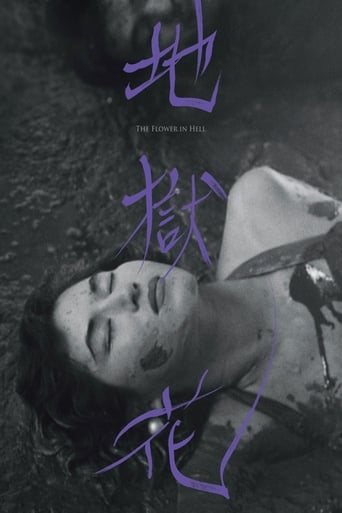
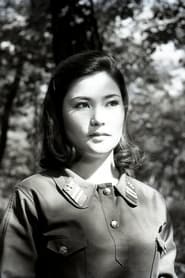
Korean actress who emerged during the post-war renaissance of Korean cinema in the late 1950s. Her brief but notable career coincided with what many consider the golden age of South Korean filmmaking, following the devastation of the Korean War. Gang appears in Shin Sang-ok's film 'The Flower in Hell' (1958), which was controversial for its raw depiction of life around American military bases in post-war Korea. The film was one of the first Korean productions to tackle such socially sensitive themes and marked a significant departure from the more conservative storytelling of earlier Korean cinema. Gang Seon-hui's performance contributed to the film's realistic portrayal of the struggles faced by Koreans living in the shadow of foreign military presence. Unfortunately, like many actors from this period of Korean cinema history, detailed records of her career and personal life are scarce due to the loss of many film archives and documentation during Korea's turbulent political history. Her appearance in 'The Flower in Hell' represents her only known film credit, making her a mysterious figure in Korean cinema history.
The Craft
Milestones
- Starred in Shin Sang-ok's controversial film 'The Flower in Hell' (1958)
- Participated in Korean cinema's post-war renaissance period
- Appeared in one of the first Korean films to tackle sensitive social themes
Best Known For
Iconic Roles
Must-See Films
Working Relationships
Worked Often With
Why They Matter
Impact on Culture
Gang Seon-hui's participation in 'The Flower in Hell' places her within a significant moment in Korean cinema history, when filmmakers began addressing previously taboo social issues. The film itself was groundbreaking for its portrayal of the complex relationship between Koreans and American military personnel, and the social problems that arose from this dynamic. Although her individual contribution is difficult to assess due to the scarcity of surviving information, she was part of a movement that pushed Korean cinema toward greater social realism and artistic courage. The film remains an important historical document of post-war Korean society and the cultural tensions of the period.
Lasting Legacy
Gang Seon-hui's legacy is primarily tied to her appearance in 'The Flower in Hell,'. While her career was apparently brief, she represents the generation of Korean actors who worked during the country's cinematic renaissance following the Korean War. The film itself has gained recognition among film scholars and historians as a landmark of Korean cinema, ensuring that even minor participants like Gang Seon-hui are remembered as part of this important cultural moment. Her story also highlights the challenges of documenting Korean cinema history from this period, when many records and films were lost due to political instability and inadequate preservation efforts.
Who They Inspired
Due to the limited documentation of her career and the apparent brevity of her time in the film industry, Gang Seon-hui's direct influence on subsequent generations of Korean actors is difficult to trace. However, her participation in socially relevant filmmaking during a pivotal period in Korean cinema history contributes to the broader legacy of artists who helped establish Korean cinema's reputation for addressing complex social issues. The film she appeared in has been studied by film scholars and cited as an influence on later Korean directors who tackle controversial social themes.
Off Screen
Very little is known about Gang Seon-hui's personal life, which is unfortunately common for many Korean actors from the 1950s due to limited documentation and the loss of historical records during Korea's political upheavals.
Did You Know?
- 'The Flower in Hell' was considered so controversial that it was initially banned in Korea
- The film was one of the first Korean productions to depict life around American military bases
- Director Shin Sang-ok would later become one of Korea's most famous filmmakers, though he was later kidnapped by North Korea
- The 1950s are considered the golden age of Korean cinema before a military crackdown in the 1960s
- Many Korean films from the 1950s, including potentially other works by Gang Seon-hui, have been lost to history
- The film's title in Korean is 'Jiokhwa'
- The movie explored themes of prostitution, crime, and cultural collision in post-war Korea
- Shin Sang-ok's active years covered over 50 years and he directed more than 70 films
- The film was restored and screened at international film festivals in the 21st century
- Korean cinema of the 1950s produced over 100 films annually, making it one of the world's most productive film industries at the time
Frequently Asked Questions
Who was Gang Seon-hui?
Korean actress active in 1958, known for her appearance in the controversial film 'The Flower in Hell.' She was part of the post-war renaissance of Korean cinema, though detailed records of her life and career are scarce.
What films is Gang Seon-hui best known for?
Titles linked here include The Flower in Hell (1958).
When was Gang Seon-hui born and when did she die?
Unfortunately, specific birth and death dates for Gang Seon-hui are not available in historical records, which is common for many Korean actors from the 1950s due to inadequate documentation and loss of archives.
What awards did Gang Seon-hui win?
There are no recorded awards or nominations for Gang Seon-hui, which may reflect either the limited scope of her career or the incomplete documentation of Korean cinema from this period.
What was Gang Seon-hui's acting style?
Specific details about Gang Seon-hui's acting style are not documented, though her appearance in 'The Flower in Hell' suggests she participated in the realistic, socially-conscious filmmaking that characterized Korean cinema's golden age.
Why is 'The Flower in Hell' significant in Korean cinema?
'The Flower in Hell' is significant as one of the first Korean films to address controversial social themes like life around American military bases and prostitution. It represents a bold departure from conservative filmmaking and exemplifies the artistic courage of 1950s Korean cinema.