
Films
1 film
About Pilar Arcos
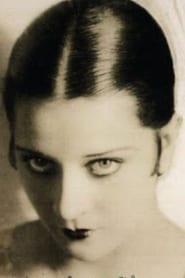
Pilar Arcos worked on Golden Age of cinema, most notably in the 1939 film 'Verbena trágica' (Tragic Festival). Her career, while brief, coincided with the era when Hollywood studios were producing Spanish-language versions of their films for international markets. Arcos was part of a wave of Spanish-speaking performers who found opportunities during this period of multicultural film production. Her appearance in 'Verbena trágica' represented one of the rare opportunities for Spanish actors to work in major studio productions during this era. The film itself was a Columbia Pictures production directed by Edwin L. Marin, showcasing the studio's commitment to Spanish-language cinema. Arcos's career appears to have been concentrated around this single significant film role, which was common for many supporting actors of the period who were cast for specific linguistic needs rather than long-term studio contracts.
The Craft
On Screen
Classical Spanish theater-influenced style typical of the period, emphasizing dramatic expression and clear diction appropriate for the Spanish-language cinema of the era
Milestones
- Appeared in Columbia Pictures' Spanish-language production 'Verbena trágica' (1939)
- Participated in Hollywood's Spanish-language film boom of the late 1930s
Best Known For
Iconic Roles
Must-See Films
Working Relationships
Worked Often With
Studios
Why They Matter
Impact on Culture
Pilar Arcos represents the often-overlooked contribution of Spanish actors to Hollywood's multicultural cinema of the 1930s. During this period, major studios produced Spanish-language versions of films to capture international markets, creating opportunities for Spanish-speaking performers. Arcos's participation in 'Verbena trágica' exemplifies how these productions served as cultural bridges, bringing Spanish theatrical traditions to American cinema and helping preserve Spanish language and culture during a period of limited international film distribution. These Spanish-language productions were particularly important for Hispanic audiences in the United States who rarely saw their language and culture represented on screen.
Lasting Legacy
While Pilar Arcos may not have achieved lasting fame, her work in 'Verbena trágica' contributes to the historical record of Spanish-language cinema in Hollywood. The film itself has gained recognition as an important example of cross-cultural film production from the Golden Age. Arcos's career, though brief, is part of the larger narrative of how Hollywood attempted to create content for diverse audiences during the studio system era. Her story illustrates the opportunities and limitations faced by non-English speaking actors in the American film industry of the 1930s.
Who They Inspired
As a supporting actress in a significant Spanish-language production, Arcos contributed to the foundation that would later influence the development of Latino cinema in the United States. The work of actors like Arcos helped pave the way for future generations of Spanish-speaking performers in American cinema.
Off Screen
Very little documented information exists about Pilar Arcos's personal life, which was common for supporting actors of the era who were not major stars. Her career appears to have been limited to the 1939 film, suggesting she may have been primarily a stage actor or had other occupations outside of cinema.
Did You Know?
- Appeared in 'Verbena trágica' during the height of Hollywood's Spanish-language film production era
- The film was part of Columbia Pictures' strategy to produce content for Spanish-speaking markets
- Her entire known film career consists of this single 1939 production
- The film was directed by Edwin L. Marin, an American director who worked across multiple language productions
- Spanish-language films of this era were often shot on the same sets as English versions but with different casts
- Many Spanish-language actors of the period were recruited from theater companies in Spain and Latin America
- The film represents an early example of Hollywood's recognition of the Hispanic market in the United States
Frequently Asked Questions
Who was Pilar Arcos?
Spanish actress best known for her appearance in the 1939 Spanish-language film 'Verbena trágica.' Her career was brief but represents an important part of Hollywood's Spanish-language cinema production during the Golden Age.
What films is Pilar Arcos best known for?
Titles linked here include Verbena trágica (1939).
When was Pilar Arcos born and when did she die?
Specific birth and death dates for Pilar Arcos are not documented in available historical records, which was common for supporting actors of the era. She was known to be Spanish and active in 1939.
What awards did Pilar Arcos win?
There are no documented awards or nominations for Pilar Arcos, which was typical for supporting actors in Spanish-language productions of the 1930s who often worked outside the mainstream award systems.
What was Pilar Arcos's acting style?
Arcos likely employed a classical Spanish theater-influenced acting style, emphasizing dramatic expression and clear diction appropriate for the Spanish-language cinema of the era, typical of actors transitioning from stage to film.