Films
1 film
About Serafim Koziminsky
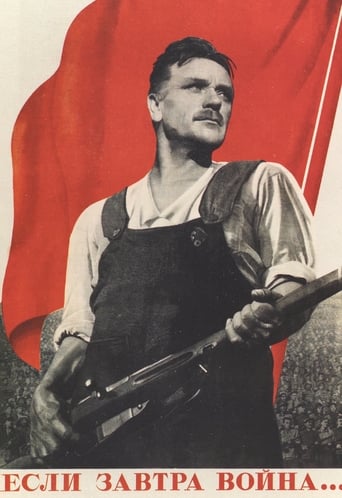
Serafim Koziminsky worked on cinema during the late 1930s. His only known film credit is in the 1938 Soviet propaganda film 'If War Comes Tomorrow' (Esli zavtra voyna), which was produced during a tense period in European history leading up to World War II. The film was directed by Lazar Antsi-Polovsky, Efim Dzigan, and Nikolai Karmazin, and served as a warning about the impending threats of fascism and war. Koziminsky's role in this production appears to have been his sole documented contribution to cinema, making him one of the many actors who participated in Soviet film propaganda during this politically charged era. His brief acting career coincided with Stalin's purges and the height of Soviet socialist realism in cinema. Unfortunately, detailed records about many supporting actors from this period are scarce, and Koziminsky's life and career remain largely undocumented beyond this single appearance.
The Craft
Milestones
- Appeared in the Soviet propaganda film 'If War Comes Tomorrow' (1938)
Best Known For
Iconic Roles
Must-See Films
Working Relationships
Worked Often With
Studios
Why They Matter
Impact on Culture
Serafim Koziminsky's cultural impact appears to be minimal, limited to his participation in a single Soviet propaganda film during a crucial period of European history. 'If War Comes Tomorrow' was part of the Soviet film industry's effort to prepare the population for potential conflict and to promote anti-fascist sentiment. While the film itself served as an important piece of political cinema from the pre-WWII era, Koziminsky's individual contribution represents the work of many supporting actors who helped create these propaganda messages. His participation reflects the collective nature of Soviet filmmaking during this period, where individual actors often played small roles in larger ideological productions.
Lasting Legacy
Serafim Koziminsky's legacy in film history is that of a minor actor from the Soviet cinema of the 1930s, representing the countless performers who contributed to the propaganda films of that era. His single known appearance in 'If War Comes Tomorrow' places him within the historical context of pre-WWII Soviet cinema, though his individual impact remains largely undocumented. Like many supporting actors from this period, his story illustrates the challenges of film preservation and historical documentation in Soviet cinema, where many records were lost or never properly maintained. His brief career serves as a reminder of the many anonymous contributors to classic cinema whose names survive only in film credits.
Who They Inspired
Due to the extremely limited nature of his documented film career, there is no evidence of Serafim Koziminsky having influenced other actors or directors. His single appearance in a 1938 Soviet propaganda film suggests he was likely a character actor or extra rather than a figure of significant artistic influence. The lack of additional film credits or biographical information indicates he did not establish a lasting presence in the film industry that would have allowed him to mentor or influence others in the craft.
Off Screen
Very limited information is available about Serafim Koziminsky's personal life. As an actor who appeared in only one known film during the Soviet era of the 1930s, detailed biographical records are scarce. Many supporting actors from this period in Soviet cinema were not extensively documented, particularly those who did not achieve significant fame or who were affected by the political turmoil of the time.
Did You Know?
- Serafim Koziminsky appeared in only one known film throughout his entire career
- His only film credit was in a Soviet propaganda movie made just before World War II
- 'If War Comes Tomorrow' (1938) was directed by three directors: Lazar Antsi-Polovsky, Efim Dzigan, and Nikolai Karmazin
- The film was produced by Mosfilm, one of the Soviet Union's largest and most famous film studios
- The Russian title of the film was 'Esli zavtra voyna' (Если завтра война)
- The film was part of a series of Soviet propaganda works warning about the rise of fascism in Europe
- Many Soviet actors from this period had limited documentation due to the political turmoil of the era
- The film was released during Stalin's Great Purge, a time when many artists and intellectuals were persecuted
Frequently Asked Questions
Who was Serafim Koziminsky?
Screen credits include only one known film, 'If War Comes Tomorrow' (1938). He was a minor performer in Soviet cinema during the pre-World War II era, likely working as a character actor or supporting performer in propaganda films.
What films is Serafim Koziminsky best known for?
Titles linked here include If War Comes Tomorrow (1938).
When was Serafim Koziminsky born and when did he die?
Specific birth and death dates for Serafim Koziminsky are not documented in available historical records. Like many supporting actors from 1930s Soviet cinema, detailed biographical information about his life remains unknown.
What awards did Serafim Koziminsky win?
There are no records of Serafim Koziminsky receiving any awards or nominations for his work in cinema. His brief film career consisted of a single appearance in 1938, and he did not achieve the level of recognition that would typically lead to awards or honors.
What was Serafim Koziminsky's acting style?
Due to the limited documentation of his work, Serafim Koziminsky's specific acting style cannot be determined. His only known appearance was in a Soviet propaganda film, where actors typically employed the socialist realism style favored by the state during this period.
Why is so little known about Serafim Koziminsky?
The scarcity of information about Serafim Koziminsky is typical for many supporting actors from 1930s Soviet cinema. Political turmoil, inadequate record-keeping, and the focus on major stars rather than character actors contributed to the loss of detailed biographical information about many performers from this era.