Alfred Schmid
Actor
- Active
- 1922-1922
Films 1
About Alfred Schmid
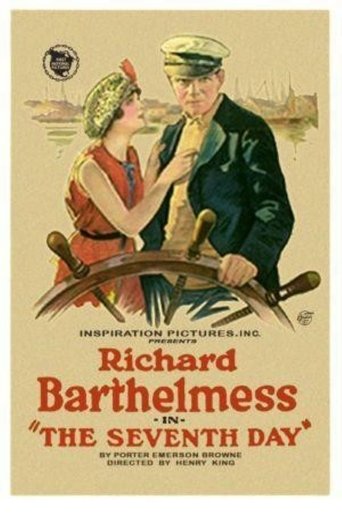
Alfred Schmid is a largely undocumented silent-era screen performer whose surviving credit places him in the German film The Seventh Day (1922). Available film reference sources indicate that he worked as an actor in the early 1920s, but they do not preserve a substantial biographical record, making it difficult to reconstruct his full life with confidence. He appears to be one of the many minor or supporting players from the silent era whose work was recorded in cast lists but whose personal details were not widely chronicled by contemporary trade journals or later reference works. Because of that scarcity of evidence, it is not currently possible to verify his birth date, birthplace, family background, training, or later career. His importance today lies primarily in the historical value of his credited participation in an early cinema production rather than in a documented star career. He should therefore be understood as a surviving name from silent-film documentation rather than as a well-profiled figure in standard film history. Further archival research in German studio records, regional press, or surviving cast directories would be needed to establish a fuller biography.
More about Alfred Schmid
In film history
Alfred Schmid's cultural impact is best understood in the broader context of silent-era film labor and preservation. Even performers with only one surviving credit are important to film history because they help reconstruct production networks, casting practices, and the international circulation of early cinema. His name in the cast record of The Seventh Day (1922) contributes to our understanding of the many working actors whose contributions supported the silent-film industry without leaving a celebrity footprint. For historians, such figures are reminders that the surviving canon represents only a fraction of the people who shaped early screen culture.
Later reputation
Schmid's legacy is archival rather than celebrity-based. He survives in film history primarily because a credit record preserved his participation in a 1922 production, allowing modern researchers to trace at least one point of his career. In this sense, his legacy is tied to the fragility and incompleteness of silent-film documentation: many such artists remain known only by name, if at all. His presence in the historical record underscores the importance of preservation, cataloging, and continued archival research in recovering overlooked cinema workers.
Influence
There is no evidence that Alfred Schmid exerted a documented influence on later actors or filmmakers in the usual sense. Any broader influence is indirect, arising from his participation in the silent-film workforce that helped establish performance conventions, production routines, and audience expectations for early European cinema. Because so little is known about his personal career, his influence cannot be assessed beyond his place in the cast history of surviving film records.
Off screen
No reliable public information has been located about Alfred Schmid's personal life, including marriages, family, residence, or later occupations. Unlike major silent-era stars, he does not appear to have left behind a substantial paper trail in widely consulted film encyclopedias, trade publications, or modern databases. As a result, any claims about his private life would be speculative and are best left unconfirmed until archival documentation emerges.
Education
No verified information is available about his education or acting training.
Credits
- Credited screen appearance in the silent film The Seventh Day (1922)
- Documented as part of early 1920s cinema history through surviving cast records
- Represents the many lesser-known performers who appeared in silent-era European productions
Roles
- Role in The Seventh Day (1922)
Films
- The Seventh Day (1922)
Notes
- He is currently known almost entirely from a single surviving film credit.
- His documented screen work falls within the silent-film era.
- He is associated with German cinema through The Seventh Day (1922).
- No verified birth or death information is readily available in standard reference sources.
- He is an example of how many early film performers remain obscure despite being part of important productions.
- His career span, as currently documented, is extremely narrow and may reflect incomplete archival survival rather than his entire working life.
Questions
Who was Alfred Schmid?
Alfred Schmid was a silent-era actor known from surviving film credit records, most notably for appearing in The Seventh Day (1922). Very little biographical information about him has survived, so he is primarily remembered as a documented participant in early cinema rather than as a widely profiled star.
What films is Alfred Schmid best known for?
He is best known for The Seventh Day (1922), which is the principal film credit currently associated with his name. No additional confirmed screen appearances are readily documented in the available historical record.
When was Alfred Schmid born and when did he die?
His birth date and death date are not currently verified in the available film reference sources. Likewise, his birthplace and place of death have not been established with confidence.
What awards did Alfred Schmid win?
No awards or nominations are currently documented for Alfred Schmid. This is not unusual for many minor silent-era performers whose careers were only partially recorded.
What was Alfred Schmid's acting style?
His acting style cannot be described in detail because no contemporary reviews or performance analyses have been confidently tied to him. Since his surviving record is limited, any assessment of technique would be speculative.
What is Alfred Schmid's legacy in film history?
His legacy is mainly archival: he remains part of the historical record of silent cinema through his credited appearance in The Seventh Day (1922). He represents the many overlooked performers whose contributions helped build early film culture, even if their personal histories were not preserved.