Films
1 film
About Aleksander Sobolev
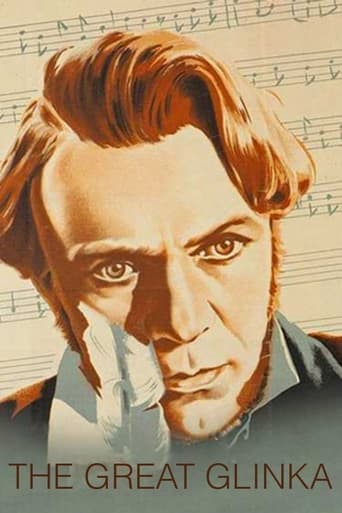
Aleksander Sobolev worked on one surviving credit: The Great Glinka (1946). ' This film was a significant Soviet production directed by Lev Arnold, focusing on the life of renowned Russian composer Mikhail Ivanovich Glinka, who is often referred to as the father of Russian classical music. Sobolev's career appears to have been brief, coinciding with the post-World War II period of Soviet cinema when patriotic and cultural films were heavily promoted by the state. His involvement in 'The Great Glinka' places him among the ensemble cast that contributed to this important cultural work during Stalin's era. The film itself was part of the Soviet tradition of creating biographical epics about national cultural heroes, serving both artistic and ideological purposes. Unfortunately, detailed records about Sobolev's broader career, training, or other potential works are scarce in available historical archives.
The Craft
Milestones
- Appeared in the Soviet biographical film 'The Great Glinka' (1946)
Best Known For
Must-See Films
Working Relationships
Worked Often With
Studios
Why They Matter
Impact on Culture
Aleksander Sobolev's contribution to cinema, while limited to a single known appearance, was part of the broader Soviet cultural project of the 1940s that sought to celebrate national artistic achievements through film. 'The Great Glinka' represented the state's emphasis on promoting Russian cultural heritage and classical music as sources of national pride during the post-war reconstruction period. Even minor roles in such productions contributed to the collective effort of creating cinematic works that reinforced Soviet cultural identity and historical narratives.
Lasting Legacy
Due to the extremely limited documentation of his career, Aleksander Sobolev's legacy in film history is minimal but serves as an example of the many supporting actors who contributed to Soviet cinema's golden age without achieving widespread recognition. His participation in 'The Great Glinka' connects him to the important tradition of Soviet biographical films that celebrated national cultural figures, a genre that played a significant role in Soviet cultural policy and artistic expression.
Who They Inspired
There is no available evidence of Aleksander Sobolev having influenced other actors or directors, which is consistent with his brief and apparently minor role in Soviet cinema. Many actors with limited filmographies in this era worked primarily in theater or other arts while making occasional film appearances, making their influence primarily within their immediate artistic circles rather than the broader film industry.
Off Screen
Very little information is available about Aleksander Sobolev's personal life, which is not uncommon for supporting actors from the Soviet film industry of the 1940s, especially those with brief film careers. Many such actors maintained private lives outside of their limited film work, with personal details not extensively documented in public records or film histories.
Did You Know?
- 'The Great Glinka' was released in 1946, shortly after the end of World War II, during a period when Soviet cinema focused heavily on patriotic and cultural themes
- The film was directed by Lev Arnold, who was known for his work on Soviet biographical films
- Mikhail Glinka (1804-1857), the subject of the film, is considered the founder of Russian classical music
- The film was produced by Goskino, the Soviet state film organization
- 1946 was a significant year for Soviet cinema, with many films focusing on national heroes and cultural figures
- The film was part of Stalin's cultural policy to promote distinctly Russian art and culture
Frequently Asked Questions
Who was Aleksander Sobolev?
Soviet with credits in this catalog.' His career appears to have been brief, with this biographical drama being his only documented film credit.
What film is Aleksander Sobolev best known for?
Aleksander Sobolev is known exclusively for 'The Great Glinka' (1946), a Soviet biographical film about the Russian composer Mikhail Glinka. This appears to be his only film role based on available records.
When was Aleksander Sobolev active in film?
Aleksander Sobolev's known film activity was limited to 1946, the year 'The Great Glinka' was released. No other film credits from different years have been documented for this actor.
What was 'The Great Glinka' about?
'The Great Glinka' was a 1946 Soviet biographical film that dramatized the life of Mikhail Ivanovich Glinka (1804-1857), who is widely regarded as the father of Russian classical music. The film was part of the Soviet tradition of creating cinematic tributes to national cultural heroes.
Did Aleksander Sobolev win any awards for his acting?
There are no records of Aleksander Sobolev receiving any awards or nominations for his work in 'The Great Glinka' or any other films. Given his brief documented career, formal recognition appears unlikely.