Isabel Heermann
Actor
- Active
- 1923-1923
Films 1
About Isabel Heermann
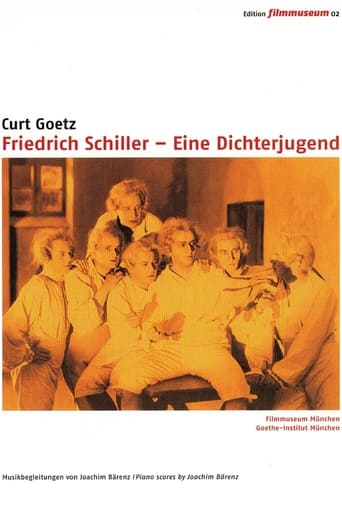
Isabel Heermann is a very obscure early German screen actress whose documented film career is presently limited to a single known appearance in the silent film "Friedrich Schiller - Eine Dichterjugend" (1923). Available reference sources identify her by name in the cast, but do not provide enough biographical detail to reconstruct a fuller life story with confidence. She appears to have worked during the silent era in Germany, a period when many performers had brief or poorly documented screen careers and were often credited in surviving records without extensive personal information. Because no reliable evidence has been located for her birth, death, family background, training, or later career, she remains one of the many lesser-known figures of Weimar-era cinema whose contributions are visible primarily through film credits. Her surviving legacy is therefore tied less to a widely documented star persona than to the historical importance of the film itself and the larger cultural moment it represents. In database terms, she is best understood as a documented cast member of an early literary biographical film, rather than as a performer with a well-preserved public biography. Additional archival research in German production records, trade papers, or contemporary reviews would be needed to confirm whether she appeared in other films or worked in theater under the same name.
More about Isabel Heermann
In film history
Isabel Heermann's cultural impact is difficult to measure because the historical record preserves only a minimal trace of her screen work. Even so, her credit in "Friedrich Schiller - Eine Dichterjugend" places her within the broader ecosystem of Weimar cinema, where actors, many now forgotten, contributed to the production of ambitious literary and historical films that helped define German silent-era prestige cinema. Performers like Heermann are part of the invisible labor of film history: they formed the supporting cast and ensemble presence that gave early German productions their texture and credibility. For modern researchers, her name is significant as evidence of the breadth of personnel involved in silent-era filmmaking and of the many careers that did not survive in detailed public memory. Her presence in the cast also underscores the need for archival preservation, since such performers are often only recoverable through surviving film prints, program booklets, censorship cards, or studio paperwork.
Later reputation
Her lasting legacy lies primarily in archival and historiographic significance rather than in fame or a large body of surviving work. As a credited participant in a 1923 German silent film about Friedrich Schiller, she is part of the record of early 20th-century European film culture and its fascination with national literature, biography, and cultural heritage. The fact that so little is known about her also makes her emblematic of countless silent-era actors whose careers were brief, regional, or insufficiently documented and who therefore require specialized historical reconstruction. In that sense, Isabel Heermann's legacy is a reminder that film history is built not only on major stars but also on the many lesser-known contributors whose names survive in credits even when their lives do not. For scholars and database curators, preserving her name helps maintain a more complete and accurate account of classic cinema personnel.
Influence
No direct evidence survives to show that Isabel Heermann influenced later actors or directors in an identifiable or traceable way. Her influence is therefore best understood indirectly: she contributed to a film tradition in which ensemble acting supported literary adaptation and historical dramatization in silent German cinema. In modern film scholarship, even obscure credited performers can influence how historians reconstruct production networks, casting practices, and the social composition of early film industries. Her name also supports broader awareness of women’s participation in silent-era European film, including many careers that were undocumented beyond cast listings. Thus, while she was not a widely influential public figure, her preserved credit contributes to the historical record that shapes contemporary understanding of the era.
Off screen
No reliable biographical information about Isabel Heermann's personal life has been found in readily accessible film-reference sources. Her birth and death details, family background, marital status, and post-film career remain unconfirmed. As a result, no documented information can be stated confidently about marriages, children, residence, or off-screen activities. This absence of data is common for many minor performers of the silent era, especially those who appeared in only one surviving or readily traceable screen credit.
Credits
- Credited cast member in the silent German film "Friedrich Schiller - Eine Dichterjugend" (1923)
- Participation in an early Weimar-era literary and historical film centered on the youth of Friedrich Schiller
- Representation of the many lesser-documented performers who appeared in German silent cinema of the 1920s
Films
Notes
- Isabel Heermann is currently known from a single confirmed film credit: "Friedrich Schiller - Eine Dichterjugend" (1923).
- She appears to have been active during the silent era in Germany, likely within the Weimar Republic film industry.
- Her biography is largely absent from standard film-reference sources, making her an example of a very obscure early cinema performer.
- Because her record is so sparse, she is more often encountered in cast lists and archival references than in narrative film histories.
- Her only known film is a literary historical work centered on the youth of the poet and playwright Friedrich Schiller.
- The scarcity of information about her is not unusual for minor silent-era actors, many of whom worked briefly or were poorly documented.
- Her surviving filmography suggests either a very short screen career or an incomplete archival record.
- She is a useful case for database researchers who track the many overlooked contributors to early German cinema.
Questions
Who was Isabel Heermann?
Isabel Heermann was a German silent-era actress known from a single documented screen credit in "Friedrich Schiller - Eine Dichterjugend" (1923). Very little else is currently verified about her life or career, which is common for many minor performers of early cinema.
What films is Isabel Heermann best known for?
She is best known for "Friedrich Schiller - Eine Dichterjugend" (1923), the only film credit currently confirmed from available reference information. No other screen roles can be stated confidently without further archival evidence.
When was Isabel Heermann born and when did she die?
Her birth and death dates are not presently documented in accessible film-reference sources. At this time, both her birth date and death date should be listed as unknown or unavailable.
What awards did Isabel Heermann win?
No awards or nominations are currently documented for Isabel Heermann. Her known career is too sparsely recorded for any verified honors to be listed.
What was Isabel Heermann's acting style?
There is not enough surviving documentation to describe her personal acting style with confidence. Since she appeared in a silent film, her performance would have relied on the expressive, gesture-driven techniques typical of the era, but no detailed critical descriptions of her work are currently known.
What is Isabel Heermann's legacy in film history?
Her legacy is primarily archival: she represents the many lesser-known performers whose names survive in cast records even when their biographies do not. Her credit in an important Weimar-era literary film helps preserve a fuller picture of early German cinema.