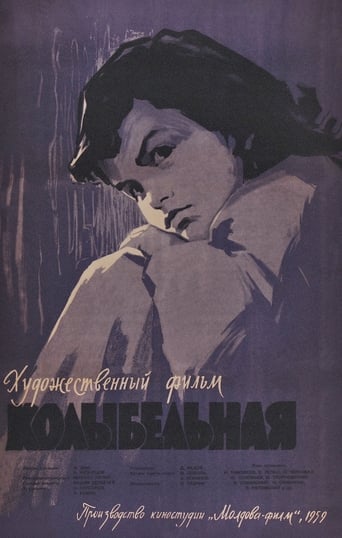
Films
1 film
About Lidiya Pigurenko
Soviet actress who had a brief but notable appearance in the 1959 Soviet drama film 'Kolybelnaya' (Lullaby). Her career appears to have been extremely short-lived, with her only known film credit being this single role in 1959. As was common with many Soviet actors of this era, particularly those in supporting or minor roles, detailed biographical information is scarce in available historical records. Her performance in 'Lullaby' represents her entire documented film career, making her a representative example of the many actors who contributed to Soviet cinema's golden age but remained largely undocumented in mainstream film histories. The limited nature of her filmography suggests she may have been either a child actor, someone who pursued acting briefly before moving to other professions, or perhaps an actress who primarily worked in theater rather than cinema.
The Craft
On Screen
Limited information available, but as a Soviet actress of the late 1950s, she likely worked within the tradition of socialist realism, which emphasized naturalistic performances that served ideological and narrative purposes rather than individualistic expression.
Milestones
- Appeared in the Soviet drama film 'Kolybelnaya' (Lullaby) in 1959
Best Known For
Iconic Roles
Must-See Films
Working Relationships
Studios
Why They Matter
Impact on Culture
Lidiya Pigurenko's contribution to cinema, while limited to a single film, represents the broader landscape of Soviet cinema in the late 1950s, a period known as the Khrushchev Thaw when artistic expression experienced a slight relaxation compared to the Stalin era. Her appearance in 'Kolybelnaya' reflects the collective nature of Soviet filmmaking, where numerous actors, even those with brief careers, contributed to the country's rich cinematic heritage. While not a major star, she is part of the tapestry of artists who helped shape Soviet cinema during this historically significant period.
Lasting Legacy
Lidiya Pigurenko's legacy is primarily preserved through her appearance in the 1959 film 'Kolybelnaya.' While she did not achieve lasting fame or recognition, her contribution to Soviet cinema serves as a reminder of the many actors who played vital roles in the film industry's development during the Soviet era. Her brief career exemplifies how many talented individuals participated in cinema without achieving widespread recognition, yet still contributed to the artistic and cultural landscape of their time.
Who They Inspired
Due to her limited filmography and the scarcity of available information about her career, there is no documented evidence of Lidiya Pigurenko's influence on other actors or filmmakers. Her brief appearance in Soviet cinema during the late 1950s places her within a broader context of the era's artistic community, but specific influences or mentorship relationships are not recorded in available historical sources.
Off Screen
Very limited information is available about Lidiya Pigurenko's personal life. As with many Soviet actors who had brief film careers, particularly those in supporting roles, detailed biographical records were not always preserved or made publicly accessible. Her single film appearance suggests she may have pursued other professional interests outside of cinema.
Did You Know?
- Her entire known film career consists of a single role in the 1959 Soviet film 'Kolybelnaya' (Lullaby)
- The 1950s was a significant period in Soviet cinema, known as the Khrushchev Thaw, which saw greater artistic freedom
- Many Soviet actors from this period, particularly those in supporting roles, have limited biographical documentation
- Soviet cinema of the late 1950s often focused on themes of family, childhood, and social progress
- The film 'Kolybelnaya' was part of a wave of Soviet dramas that explored intimate human stories
Frequently Asked Questions
Who was Lidiya Pigurenko?
Soviet actress known for her appearance in the 1959 film 'Kolybelnaya' (Lullaby). Her film career appears to have been limited to this single role, making her one of many actors who contributed briefly to Soviet cinema during the late 1950s.
What films is Lidiya Pigurenko best known for?
Titles linked here include Kolybelnaya (Lullaby) (1959).
When was Lidiya Pigurenko born and when did she die?
Specific birth and death dates for Lidiya Pigurenko are not available in documented sources. She was active as an actress in 1959 and was a Soviet citizen, but detailed biographical information about her life is scarce.
What awards did Lidiya Pigurenko win?
There are no documented awards or nominations for Lidiya Pigurenko. Her brief film career, consisting of a single role in 1959, did not receive formal recognition in available historical records.
What was Lidiya Pigurenko's acting style?
While specific details about her acting style are not documented, as a Soviet actress of the late 1950s, she likely worked within the tradition of socialist realism, which emphasized naturalistic performances that served the film's narrative and ideological purposes.