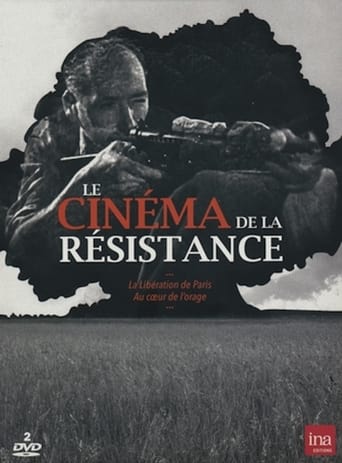
Philippe Leclerc de Hauteclocque
Actor
Born: November 22, 1902 in Belloy-Saint-Léonard, Somme, France Died: November 28, 1947 Active: 1924-1947 (military career), 1944 (documentary appearance) Birth Name: Philippe François Marie, Comte de Hauteclocque
Films
1 film
About Philippe Leclerc de Hauteclocque
Philippe Leclerc de Hauteclocque was not a professional actor but rather one of France's most celebrated military commanders during World War II. Born into an aristocratic family, he graduated from Saint-Cyr military academy and served in the French army before the war. After France's fall in 1940, he escaped to England to join Charles de Gaulle's Free French Forces, adopting the nom de guerre 'Leclerc' to protect his family from German reprisals. He led the 2nd Armored Division (2e Division Blindée) from North Africa through France, becoming decorated French commanders of the war. His forces were instrumental in the liberation of Paris in August 1944, and he was present during the formal surrender of German forces in the city. Following the war, he served as military governor of French Morocco and commander of French forces in Indochina before his tragic death in a plane crash in 1947. His appearance in 'The Liberation of Paris' (1944) was as himself in documentary footage, not as a professional actor.
The Craft
On Screen
Not applicable - appeared in documentary footage as himself
Milestones
- Graduated from Saint-Cyr military academy (1924)
- Escaped to England to join Free French Forces (1940)
- Commanded 2nd Armored Division (1943-1944)
- Led liberation of Paris (August 1944)
- Received Marshal of France posthumously (1952)
Best Known For
Iconic Roles
Must-See Films
Accolades
Won
- Grand Cross of the Legion of Honor
- Companion of the Liberation
- Croix de Guerre with multiple palms
- Service Order (UK)
- Silver Star (USA)
- Order of the Bath (UK)
Special Recognition
- Marshal of France (posthumous, 1952)
- Numerous statues and monuments throughout France
- Place du Maréchal Leclerc in Paris named in his honor
- French military base Camp Leclerc named after him
Working Relationships
Worked Often With
Why They Matter
Impact on Culture
General Leclerc became a symbol of French resistance and military honor during and after World War II. His role in liberating Paris made him a national hero, representing the restoration of French dignity after the humiliation of occupation. His military achievements demonstrated that French forces could play a decisive role in the Allied victory, helping to restore France's position as a major world power. His image appeared frequently in French propaganda and newsreels, making him.
Lasting Legacy
Leclerc's legacy endures through numerous monuments, street names, and military installations across France and former French territories. He is remembered as one of France's greatest military commanders of the 20th century, embodying courage, leadership, and unwavering commitment to French sovereignty. The posthumous rank of Marshal of France placed him among the most esteemed military figures in French history. His tactical innovations in armored warfare influenced French military doctrine for decades.
Who They Inspired
Leclerc's leadership style and military tactics influenced a generation of French military officers. His emphasis on rapid armored maneuvers and combined arms operations became part of French military doctrine. His example of continuing the fight after France's initial defeat inspired resistance movements and demonstrated the importance of maintaining military capability even in defeat. Many post-war French military leaders cited him as a role model for leadership and tactical innovation.
Off Screen
Philippe married Thérèse Gargoual in 1925, with whom he had six children. His family was deeply affected by the war - his brother was killed in action in 1940. Despite his aristocratic background, he was known for his egalitarian treatment of soldiers and deep sense of duty to France. His death in a plane crash near Colomb-Béchar, Algeria, cut short a promising post-war military career.
Education
Saint-Cyr Military Academy (graduated 1924)
Family
- Thérèse Gargoual (1925-1947)
Did You Know?
- He adopted the name 'Leclerc' to protect his family from German reprisals
- His 2nd Armored Division was nicknamed 'Division Leclerc' by his troops
- He was one of only four French generals to receive the rank of Marshal of France posthumously
- His forces were the first Allied troops to enter Paris during its liberation
- He personally accepted the surrender of German General Dietrich von Choltitz
- He died in the same plane crash that killed Indian nationalist leader Subhas Chandra Bose
- The French main battle tank AMX Leclerc is named in his honor
- His family motto was 'Honneur, Patrie, Valeur' (Honor, Country, Valor)
- He was known for his distinctive beret and informal leadership style
- His daughter Marie-Thérèse became a prominent French politician
In Their Own Words
We will not stop until the French flag flies over the Rhine
Paris! Paris outraged! Paris broken! Paris martyred! But Paris liberated!
The honor of France demands that we continue the fight
I would rather die fighting than live in shame
Our duty is clear: liberate France or die trying
Frequently Asked Questions
Who was Philippe Leclerc de Hauteclocque?
Celebrated French military commander during World War II, best known for leading the 2nd Armored Division that liberated Paris in 1944. He was one of France's most decorated generals and received the posthumous rank of Marshal of France. His appearance in 'The Liberation of Paris' was as himself in documentary footage, not as a professional actor.
What films is Philippe Leclerc de Hauteclocque best known for?
Titles linked here include The Liberation of Paris (1944) - documentary footage.
When was Philippe Leclerc de Hauteclocque born and when did he die?
Born November 22, 1902; died November 28, 1947.
What awards did Philippe Leclerc de Hauteclocque win?
He received numerous military honors including the Grand Cross of the Legion of Honor, the Companion of the Liberation, multiple Croix de Guerre medals, the British Service Order, the American Silver Star, and was posthumously named Marshal of France in 1952. He is.
What was Philippe Leclerc de Hauteclocque's military style?
Leclerc was known for his innovative use of armored warfare and rapid mechanized tactics. He emphasized speed, surprise, and aggressive maneuver, often leading from the front lines. His leadership combined traditional French military honor with modern armored tactics, making his 2nd Armored Division.