Films
1 film
About Valentina Karavayeva
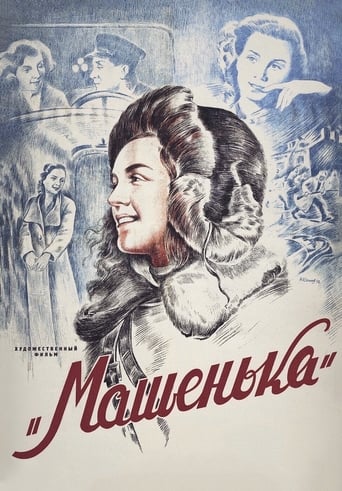
Soviet actress who had a notably brief but memorable career during tumultuous periods in Russian history. Her entire known filmography consists of the 1942 war drama 'Mashenka,' directed by Yuli Raizman, where she portrayed the titular character. The film was produced during the height of World War II and reflected the Soviet Union's cinematic efforts to boost morale and document the wartime experience. Karavayeva's performance as Mashenka, a young woman navigating life during the German invasion, showcased a naturalistic acting style that resonated with Soviet audiences of the era. Despite her promising debut and the critical acclaim the film received, Karavayeva's acting career appears to have been limited to this single role, possibly due to the disruptions of wartime or personal circumstances. Her brief screen presence nonetheless contributed to an important work of Soviet wartime cinema that has been preserved as a significant cultural artifact of the period.
The Craft
On Screen
Naturalistic and emotionally authentic, typical of Soviet socialist realism style of the 1940s, with a focus on portraying the resilience and strength of ordinary Soviet citizens during wartime
Milestones
- Starred as the titular character in 'Mashenka' (1942)
- Made her film debut during World War II
- Participated in Soviet wartime cinema movement
Best Known For
Iconic Roles
Must-See Films
Working Relationships
Worked Often With
Studios
Why They Matter
Impact on Culture
Valentina Karavayeva's contribution to Soviet cinema, though limited to a single film, represents an important aspect of wartime cultural production. 'Mashenka' was part of the Soviet Union's efforts to use cinema as a tool for maintaining morale and documenting the wartime experience. Her portrayal of the titular character embodied the Soviet ideal of the resilient citizen facing adversity with courage and determination. The film itself has been preserved as an important historical document of Soviet cinema during World War II, and Karavayeva's performance remains proof of the acting styles and cultural values of the period.
Lasting Legacy
Despite her brief career, Valentina Karavayeva's legacy endures through her role in 'Mashenka,' which has been studied by film historians as an example of Soviet wartime cinema. The film continues to be screened at retrospectives of Soviet cinema and is preserved in film archives as a significant cultural artifact. Her performance represents the contributions of countless actors whose careers were shaped or cut short by the extraordinary circumstances of World War II. While she may not be widely known outside of specialist circles, her work contributes to our understanding of how Soviet cinema reflected and shaped public consciousness during.
Who They Inspired
As an actress with a very brief filmography, Valentina Karavayeva's direct influence on other actors or filmmakers appears limited. However, her work in 'Mashenka' exemplifies the naturalistic acting style that became characteristic of Soviet cinema during the war years. This approach, which emphasized authenticity and emotional truth, would influence subsequent generations of Soviet actors who sought to portray ordinary people with dignity and realism. Her performance can be seen as part of a broader movement in Soviet acting that rejected theatrical artificiality in favor of more grounded, relatable characterizations.
Off Screen
Very limited information is available about Valentina Karavayeva's personal life, which is not uncommon for Soviet-era actors who had brief careers. As her only known film work was in 1942 during World War II, her personal circumstances were likely deeply affected by the war. Like many Soviet citizens of her generation, she would have experienced the hardships and disruptions brought by the German invasion and the subsequent years of conflict.
Did You Know?
- 'Mashenka' (1942) was her only known film role
- The film was directed by renowned Soviet director Yuli Raizman
- The movie was produced during the German invasion of the Soviet Union
- Her character Mashenka represents the archetypal Soviet woman during wartime
- The film was one of many Soviet wartime productions meant to boost morale
- Despite the film's success, she did not appear in any other known movies
- The film has been preserved as an important example of Soviet wartime cinema
- Her acting style reflected the socialist realism aesthetic popular in Soviet cinema of the 1940s
Frequently Asked Questions
Who was Valentina Karavayeva?
Soviet actress active during World War II, known primarily for her role as the titular character in the 1942 film 'Mashenka.' Her career appears to have been limited to this single performance, which came during a pivotal period in Soviet cinema history.
What films is Valentina Karavayeva best known for?
Titles linked here include Mashenka (1942).
When was Valentina Karavayeva born and when did she die?
Born 1918; died death date not listed.
What awards did Valentina Karavayeva win?
There are no documented awards or nominations specifically for Valentina Karavayeva. However, her film 'Mashenka' was part of the significant body of Soviet wartime cinema that received state support and recognition.
What was Valentina Karavayeva's acting style?
Karavayeva's acting style in 'Mashenka' reflected the naturalistic approach characteristic of Soviet socialist realism cinema of the 1940s. She portrayed her character with emotional authenticity, embodying the ideal of the resilient Soviet citizen facing wartime adversity.