
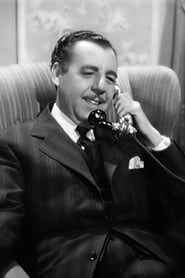
Fernando Soler
Actor
Born: May 24, 1896 in Saltillo, Coahuila, Mexico Died: October 24, 1979 Active: 1915-1969 Birth Name: Fernando Díaz Pavía
Films
1 film
About Fernando Soler
Fernando Soler, born Fernando Díaz Pavía, was figures in Mexican cinema's Golden Age, beginning his career in theater before transitioning to silent films in the 1920s. As part of the Soler acting dynasty, he established himself as a versatile performer, excelling as an actor, director, writer, and producer throughout his prolific career spanning four decades. His breakthrough came with his memorable performance in 'Verbena trágica' (1939), which showcased his exceptional ability to portray complex characters with depth and authenticity. Soler became particularly renowned for his comedic timing and dramatic range, often playing sophisticated, witty characters who embodied the Mexican upper class with both satire and affection. Beyond acting, he directed over 20 films and wrote numerous screenplays, significantly shaping the narrative style of Mexican cinema during its most formative years. His contributions to the film industry extended to mentoring younger talent and helping establish the professional standards that would define Mexican cinema's golden era. Soler's legacy endures through his extensive filmography, which includes over 100 films and his role in establishing one of Mexico's most respected acting families.
The Craft
On Screen
Fernando Soler was known for his sophisticated, nuanced acting style that blended comedic timing with dramatic depth. He excelled at portraying upper-class Mexican gentlemen with wit, elegance, and underlying complexity. His performances often featured impeccable diction, refined mannerisms, and the ability to switch seamlessly between comedy and drama within the same role. Soler's technique emphasized naturalistic delivery while maintaining the theatrical polish that characterized Golden Age Mexican cinema.
Milestones
- Stage debut in 1915 with theatrical company
- Transition to silent films in 1920s
- Breakthrough role in 'Verbena trágica' (1939)
- Directed first film 'Mujeres sin mañana' (1951)
- Received Ariel Award for Best Actor (1947)
- Established Soler acting dynasty with siblings
- Over 100 film appearances as actor
- Directed more than 20 films
Best Known For
Iconic Roles
Must-See Films
Accolades
Won
- Ariel Award for Best Actor (1947)
- Ariel Award for Best Supporting Actor (1956)
- Silver Ariel for career achievement
- Medalla al Mérito Cinematográfico
Nominated
- Ariel Award nomination for Best Actor (1950)
- Ariel Award nomination for Best Director (1952)
- Ariel Award nomination for Best Original Story (1953)
Special Recognition
- Hollywood Walk of Fame star (1960)
- Inducted into Mexican Cinema Hall of Fame
- Named one of the 100 most influential figures in Mexican cinema
- Posthumous recognition at Guadalajara Film Festival
Working Relationships
Worked Often With
Studios
Why They Matter
Impact on Culture
Fernando Soler profoundly shaped Mexican cinema's Golden Age by establishing a template for sophisticated, nuanced performances that blended comedy with social commentary. His portrayal of upper-class Mexican gentlemen helped define the national identity on screen, creating archetypes that would influence generations of Mexican actors. As part of the Soler acting dynasty, he helped professionalize the Mexican film industry and elevate its artistic standards. His work in both comedy and drama demonstrated the versatility possible in Mexican cinema, inspiring filmmakers to explore more complex narratives and characterizations. Soler's films often reflected and shaped Mexican social values, particularly regarding family, class, and national identity.
Lasting Legacy
Fernando Soler's legacy endures through his extensive filmography, which continues to be studied and celebrated as exemplars of Golden Age Mexican cinema. He is remembered as one of Mexico's most complete artists, excelling as actor, director, writer, and producer. The Soler family name remains synonymous with excellence in Mexican entertainment, with Fernando as its patriarch. His films are regularly featured in retrospectives and film festivals worldwide, and his acting style continues to influence contemporary Mexican performers. The Fernando Soler Award for Excellence in Cinema was established in his honor to recognize outstanding contributions to Mexican film.
Who They Inspired
Fernando Soler influenced generations of Mexican actors through his sophisticated approach to comedy and drama, particularly in portraying upper-class characters with both satire and affection. His work as a director helped establish narrative techniques that would become standard in Mexican cinema. Many Golden Age stars, including Pedro Infante and María Félix, cited Soler as an influence on their craft. His emphasis on technical excellence and artistic integrity helped raise the standards of Mexican film production. Contemporary Mexican actors continue to study his performances as models of screen presence and versatility.
Off Screen
Fernando Soler came from a family deeply rooted in the performing arts, with all his siblings becoming successful actors. He married twice during his lifetime, first to actress Amparo Arozamena and later to Sara García, though the latter marriage was fictionalized in their films together. He was known as a family man who maintained close relationships with his siblings throughout their careers. Soler was also involved in various business ventures outside of acting, including real estate investments. Despite his fame, he remained connected to his theatrical roots and often returned to stage performances throughout his film career.
Education
Studied at the National Conservatory of Music and Dramatic Arts in Mexico City, trained in classical theater and drama
Family
- Amparo Arozamena (1920-1935)
- Mercedes Roldán (1936-1979)
Did You Know?
- Part of the famous Soler acting dynasty with four siblings
- Originally wanted to be a doctor before pursuing acting
- Spoke five languages fluently
- Was a skilled pianist and composer
- His real surname was Díaz Pavía, Soler was his stage name
- Once performed in over 50 stage productions in a single year
- Was one of the first Mexican actors to work in both silent and sound films
- His film 'Verbena trágica' was preserved in the U.S. National Film Registry
- Directed his brother Domingo in several films
- Was a founding member of the Mexican Actors Guild
In Their Own Words
El cine es el espejo del alma de un pueblo
La comedia es la tragedia vista a distancia
En el teatro, cada noche es un estreno
Actuar no es fingir, es sentir verdaderamente
La familia es el escenario más importante de la vida
Frequently Asked Questions
Who was Fernando Soler?
Legendary figure in Mexican cinema's Golden Age, known as an actor, on YTB.my. Born Fernando Díaz Pavía in 1896, he was part of the famous Soler acting dynasty and appeared in over 100 films throughout his career spanning five decades.
What films is Fernando Soler best known for?
Titles linked here include Verbena trágica (1939), Los tres García (1947).
When was Fernando Soler born and when did he die?
Born May 24, 1896; died October 24, 1979.
What awards did Fernando Soler win?
Fernando Soler won multiple Ariel Awards, including Best Actor in 1947 and Best Supporting Actor in 1956, along with the Silver Ariel for career achievement. He also received the Medalla al Mérito Cinematográfico and has a star on the Hollywood Walk of Fame.
What was Fernando Soler's acting style?
Fernando Soler was known for his sophisticated acting style that blended comedic timing with dramatic depth, excelling at portraying upper-class Mexican gentlemen with wit and elegance. His performances featured impeccable diction, refined mannerisms, and the ability to seamlessly switch between comedy and drama.
Was Fernando Soler related to other famous actors?
Yes, Fernando Soler was part of the famous Soler acting dynasty. His siblings Andrés, Domingo, Julián, and sister Irene were all successful actors in Mexican cinema, making them.
Did Fernando Soler direct films?
Yes, Fernando Soler directed over 20 films throughout his career, beginning with 'Mujeres sin mañana' in 1951. His directorial work often focused on family dramas and social comedies, and he frequently collaborated with his siblings in these productions.
What is Fernando Soler's lasting legacy?
Fernando Soler's lasting legacy includes his contributions to establishing the artistic standards of Golden Age Mexican cinema, his influence on generations of Mexican actors, and his role in creating enduring cinematic archetypes. The Soler family name remains synonymous with excellence in Mexican entertainment, and his films continue to be celebrated and studied.