Films
1 film
About May de Lavergne
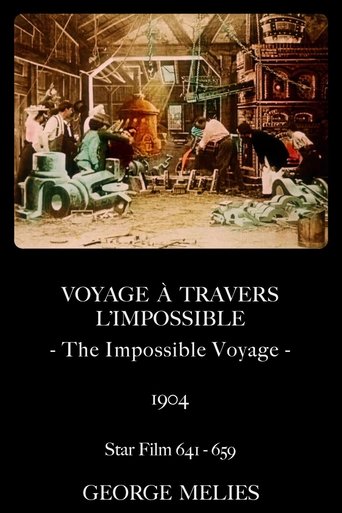
This archive lists one role for May de Lavergne: The Impossible Voyage (1904). She is known primarily for her role in Georges Méliès' 1904 fantasy film 'The Impossible Voyage' (Voyage à travers l'impossible), which was ambitious and expensive productions of its time. The film showcased Méliès' mastery of special effects and theatrical staging, featuring elaborate sets and magical transformations that were for the era. As an actress in Méliès' productions, de Lavergne would have been part of the theatrical tradition that informed early cinema performance styles. Her brief film career appears to have been concentrated in 1904, which was typical for many early cinema actors who often had backgrounds in theater and made only occasional forays into the new medium of film. Little documentation survives about the personal lives and careers of many early film actors like de Lavergne, as the concept of movie stardom had not yet fully developed and actors were often not credited or promoted individually.
The Craft
On Screen
As an early cinema actor, May de Lavergne likely employed theatrical, exaggerated gestures typical of the silent era, where actors needed to convey emotions and actions clearly without dialogue. Her performance would have been influenced by stage traditions, which dominated early film acting before the development of more naturalistic cinematic techniques.
Milestones
- Appeared in Georges Méliès' 'The Impossible Voyage' (1904)
- Participated in
- Contributed to the development of early cinema performance
Best Known For
Iconic Roles
Must-See Films
Working Relationships
Worked Often With
Studios
Why They Matter
Impact on Culture
May de Lavergne represents the often-overlooked contributions of early cinema actors who helped establish the foundation of film performance. As a participant in Georges Méliès' groundbreaking work, she contributed to the development of fantasy and special effects cinema that would influence generations of filmmakers. Her appearance in 'The Impossible Voyage' places her within the context of cinema's transition from simple actualities to complex narrative storytelling.
Lasting Legacy
While May de Lavergne herself may not have achieved lasting fame, her work in early cinema contributes to our understanding of how film acting evolved from theatrical traditions. Her participation in Méliès' productions makes her part of cinema's foundational history, representing the many anonymous or poorly documented actors who helped establish the medium.
Who They Inspired
As an early film actor, May de Lavergne's influence would have been primarily through her contribution to the development of cinematic performance techniques during the medium's formative years. Her work in Méliès' films helped demonstrate how theatrical performance could be adapted for the screen, influencing subsequent generations of silent film actors.
Off Screen
Very little documentation exists about May de Lavergne's personal life, which was common for early cinema actors who were not yet treated as public figures. Like many actors of the 1900s, she likely came from a theatrical background and may have continued working in stage performance after her brief film appearance.
Did You Know?
- Appeared in 'The Impossible Voyage,' which was
- Worked with filmmaker Georges Méliès during his most productive period
- The film she appeared in ran approximately 20 minutes, unusually long for its time
- Méliès' films often featured his own family members and theater regulars as actors
- Early cinema actors like de Lavergne were typically paid per day rather than having long-term contracts
- The Impossible Voyage featured elaborate sets including a giant snow cannon and underwater scenes
- Méliès' actors often had to perform multiple roles in the same film due to small casts
- The film was a follow-up to Méliès' famous 'A Trip to the Moon' (1902)
- Early cinema actors were rarely credited by name in films or promotional materials
- The performance style required actors to hold poses longer for the technical limitations of early cameras
Frequently Asked Questions
Who was May de Lavergne?
French actress from the early silent film era, known primarily for her appearance in Georges Méliès' 1904 film 'The Impossible Voyage.' She was one of the many actors who participated in cinema's years before the concept of movie stardom had fully developed.
What films is May de Lavergne best known for?
Titles linked here include The Impossible Voyage (1904).
When was May de Lavergne born and when did she die?
Unfortunately, specific birth and death dates for May de Lavergne are not documented in historical records, which was common for many early cinema actors who were not considered public figures during their lifetime.
What awards did May de Lavergne win?
May de Lavergne did not receive any formal awards or recognition during her career, as the concept of film awards and the Academy Awards would not be established until decades after her brief period of activity in 1904.
What was May de Lavergne's acting style?
Like most actors of the 1900s, May de Lavergne likely employed theatrical, exaggerated gestures and expressions typical of early silent cinema. This style was necessary to convey emotions and actions clearly to audiences in an era before sophisticated camera techniques and naturalistic acting had developed.
How did May de Lavergne contribute to early cinema?
May de Lavergne contributed to early cinema by participating in Georges Méliès' innovative work that helped establish fantasy and special effects as cinematic genres. Her performance, along with other early actors, helped demonstrate how theatrical traditions could be adapted to the new medium of film.
Why is there so little information about May de Lavergne?
The scarcity of information about May de Lavergne reflects the limited documentation of early cinema actors, who were often not credited or promoted as individuals. During the 1900s, the focus was on the filmmakers and technical innovations rather than the performers themselves.