Films
1 film
About Clarence Cooper
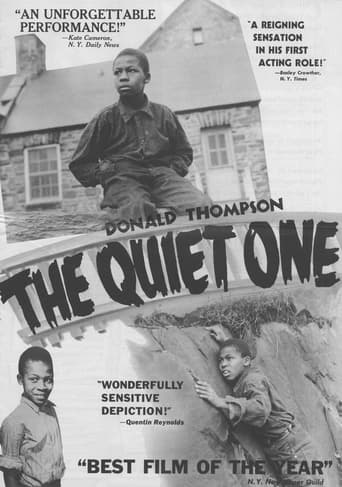
Participant in the 1948 documentary film 'The Quiet One,' which was nominated for an Academy Award for Best Documentary Feature. The film, directed by Sidney Meyers, documented the life of Donald, a troubled young boy from Harlem, and his experiences at the Wiltwyck School for Boys. Cooper appeared in the film as himself, likely in a staff or administrative capacity at the institution. His involvement in this documentary represents his only known film credit, making him a one-time participant in cinema rather than a professional actor with an extended career. 'The Quiet One' was notable for its compassionate portrayal of juvenile delinquency and its innovative documentary techniques, blending narrative storytelling with real-life footage. Cooper's presence in the film contributed to its authentic depiction of the rehabilitation process at Wiltwyck.
The Craft
Milestones
- Appeared in the Academy Award-nominated documentary 'The Quiet One'
Best Known For
Iconic Roles
Must-See Films
Working Relationships
Worked Often With
Why They Matter
Impact on Culture
Clarence Cooper's contribution to cinema, though minimal in scope, was part of a significant documentary that helped bring attention to issues of juvenile delinquency and rehabilitation in post-war America. 'The Quiet One' was one of the first films to honestly examine the psychological and social factors contributing to youth behavioral problems, using a documentary format that influenced future social issue films. Cooper's authentic presence in the film helped establish the credibility and emotional impact of the documentary, contributing to its critical acclaim and historical significance in American documentary cinema.
Lasting Legacy
As a one-time documentary participant, Clarence Cooper's legacy is tied directly to the enduring importance of 'The Quiet One' in film history. The documentary remains a landmark work in American social documentary filmmaking, studied for its innovative techniques and compassionate approach to difficult subject matter. While Cooper himself did not have an extensive film career, his involvement in this Academy Award-nominated film ensures his place in cinema history as part of a project that helped advance the documentary form and social consciousness in post-war America.
Who They Inspired
Due to his limited filmography, Clarence Cooper did not have a significant influence on other actors or filmmakers. His influence is instead tied to the collective impact of 'The Quiet One' on documentary filmmaking and social awareness regarding juvenile rehabilitation issues.
Off Screen
Very little is known about Clarence Cooper's personal life, as he was not a public figure or professional actor but rather a participant in a documentary film.
Did You Know?
- Clarence Cooper only appeared in one film during his entire life
- 'The Quiet One' was nominated for an Academy Award for Best Documentary Feature
- The film was shot on location at the Wiltwyck School for Boys in Esopus, New York
- Cooper appeared as himself, not as a character in a fictional story
- The documentary was praised for its honest portrayal of juvenile delinquency
- The film's score was composed by Aaron Copland
- James Agee wrote the screenplay for the documentary
- The film won the Venice Film Festival International Award for Best Documentary
Frequently Asked Questions
Who was Clarence Cooper?
Participant in the 1948 documentary 'The Quiet One,' appearing as himself rather than as a professional with credits in this catalog. His involvement in cinema was limited to this single Academy Award-nominated film that documented juvenile rehabilitation at the Wiltwyck School for Boys.
What films is Clarence Cooper best known for?
Titles linked here include The Quiet One (1948).
When was Clarence Cooper born and when did he die?
Specific birth and death dates for Clarence Cooper are not publicly available, as he was not a public figure or professional actor but rather a one-time documentary participant.
What awards did Clarence Cooper win?
Clarence Cooper did not personally receive any awards, but the film he participated in, 'The Quiet One,' was nominated for an Academy Award for Best Documentary Feature and won the Venice Film Festival International Award for Best Documentary.
What was Clarence Cooper's role in 'The Quiet One'?
Clarence Cooper appeared as himself in the documentary, likely in a staff or administrative capacity at the Wiltwyck School for Boys. The film focused on the rehabilitation of a troubled young boy named Donald, and Cooper was one of the real people documented in the institution's work.