Films
1 film
About Yekaterina Borisova
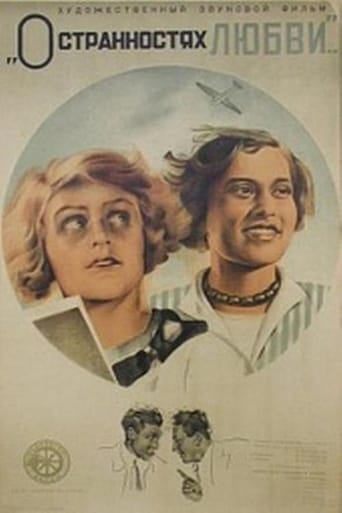
Yekaterina Borisova is credited on a single production — On the Strangeness of Love (1936). A period when Soviet cinema was flourishing under state control. Her most notable work was in the 1936 film 'On the Strangeness of Love,' which was produced during Stalin's cultural revolution in the arts. Like many actors of her era, she would have been part of the state-sponsored film industry that produced works promoting socialist ideals. Her career appears to have been brief, with records showing only activity in 1936, suggesting she may have been a character actress or someone who left the industry quickly. The limited documentation of her work is not uncommon for many Soviet-era actors, particularly those who did not achieve star status or whose careers were cut short by the political turmoil of the time. Her single known film appearance places her within the tradition of Soviet romantic dramas that balanced entertainment with ideological messaging.
The Craft
Milestones
- Appeared in 'On the Strangeness of Love' (1936)
Best Known For
Must-See Films
Working Relationships
Studios
Why They Matter
Impact on Culture
Yekaterina Borisova represents the countless supporting actors and character performers who formed the backbone of Soviet cinema during its formative years. While individual records of such actors are often scarce, their contributions to the film industry were essential in creating the Soviet storytelling. Her appearance in a 1936 romantic drama places her within a crucial period when Soviet cinema was developing its distinctive aesthetic and ideological voice. The lack of extensive documentation about her career reflects the broader challenges in preserving the histories of non-star performers from this era, particularly in a system that often prioritized collective achievement over individual recognition.
Lasting Legacy
Yekaterina Borisova's legacy is primarily preserved through her appearance in 'On the Strangeness of Love,' serving as proof of the many actors who contributed to Soviet cinema's golden age but remain largely undocumented in film history. Her brief recorded career exemplifies the transient nature of many acting careers in 1930s Soviet film, where political circumstances, career opportunities, and historical events often cut careers short. While she may not be remembered as a major star, her work contributes to our understanding of the depth and breadth of talent within the Soviet film industry during this pivotal period.
Who They Inspired
Due to the limited documentation of her career and work, Yekaterina Borisova's specific influence on other actors or filmmakers cannot be definitively traced. However, like all actors of her generation, she would have been part of the evolving acting techniques and styles that defined Soviet cinema's transition from silent films to talkies, and from experimental works to socialist realist narratives.
Off Screen
Very little is documented about Yekaterina Borisova's personal life, which is typical for many character actors in 1930s Soviet cinema who did not achieve widespread fame.
Did You Know?
- Her only documented film appearance was in 1936, during the height of Stalin's cultural policies
- The film she appeared in was produced during a period when Soviet cinema was strictly controlled by the state
- 1936 was a significant year for Soviet film, marking the establishment of socialist realism as the official artistic style
- Many Soviet actors from this period had their careers disrupted by political purges of the late 1930s
- Her Russian name suggests she was likely from within the Soviet Union's territories
- The lack of extensive records is common for non-star actors from 1930s Soviet cinema
- Soviet films of 1936 often featured ensemble casts where individual actors might not receive prominent billing
Frequently Asked Questions
Who was Yekaterina Borisova?
Soviet actress active in 1936, best known for her appearance in the film 'On the Strangeness of Love.' She represents the many character actors who worked in Soviet cinema during the Stalin era but left limited documentation of their careers.
What films is Yekaterina Borisova best known for?
Titles linked here include On the Strangeness of Love (1936).
When was Yekaterina Borisova born and when did she die?
Specific birth and death dates for Yekaterina Borisova are not documented in available film history sources, which is common for many supporting actors from 1930s Soviet cinema.
What awards did Yekaterina Borisova win?
There are no documented awards or honors for Yekaterina Borisova, which is typical for character actors of her era in the Soviet film industry.
What was Yekaterina Borisova's acting style?
Due to limited documentation and only one known film appearance, specific details about her acting style are not available. She would have worked within the conventions of Soviet cinema of the mid-1930s.