Dick Beals
Actor
Born: March 16, 1927 in Detroit, Michigan, USA Died: May 29, 2012 Active: 1952-2005 Birth Name: Richard Lee Beals
Films
1 film
About Dick Beals
Richard Lee 'Dick' Beals — American voice actor renowned for his distinctive high-pitched voice that remained unchanged from childhood due to a glandular condition. Born in Detroit, Michigan, Beals began his career in radio before transitioning to voice work in animation and commercials. His breakthrough came when he was cast as the voice of Speedy Alka-Seltzer in the 1950s commercials, which made his voice instantly recognizable to millions of Americans. Throughout his career, he provided voices for numerous animated characters for Warner Bros., Hanna-Barbera, and other studios, including roles in The Jetsons, The Flintstones, and various Looney Tunes productions. Beals' unique vocal talents allowed him to portray children and small characters well into adulthood, making him versatile voice actors of his generation. He continued working in voice acting for over five decades, contributing to both animated series and commercial voice-overs until his retirement.
The Craft
On Screen
Known for his remarkably high-pitched, youthful voice that allowed him to convincingly portray children and small characters throughout his adult life. Beals possessed exceptional vocal control and could modulate his voice to create distinct character personalities while maintaining his signature pitch. His technique involved precise breath control and an understanding of how to convey emotion through vocal inflection despite his limited vocal range.
Milestones
- Voice of Speedy Alka-Seltzer in iconic commercials (1950s-1970s)
- Regular voice work for Warner Bros. Cartoons
- Voice roles in Hanna-Barbera animated series
- Narrator for countless commercial campaigns
- Voice work in The Jetsons, The Flintstones, and other classic cartoons
Best Known For
Iconic Roles
Must-See Films
Accolades
Special Recognition
- Advertising Hall of Fame recognition for Speedy Alka-Seltzer campaign
- Voice acting pioneer acknowledgment in animation industry
Working Relationships
Worked Often With
Studios
Why They Matter
Impact on Culture
Dick Beals made an indelible mark on American popular culture through his voice work, particularly as Speedy Alka-Seltzer, which became. His high-pitched voice defined the sound of countless animated characters and commercials, influencing how audiences perceived youthful characters in media. The Speedy Alka-Seltzer campaign he voiced ran for over two decades and became a cultural touchstone, referenced in everything from The Simpsons to advertising textbooks. Beals' work demonstrated the power of voice acting in creating memorable characters and helped establish voice acting as a respected profession in the entertainment industry.
Lasting Legacy
Dick Beals left a lasting legacy as one of the voice actors who helped shape the golden age of television animation and commercial advertising. His distinctive voice became synonymous with childhood innocence and energy in American media, influencing generations of voice actors who followed. The characters he voiced continue to be enjoyed through syndication and streaming platforms, introducing new audiences to his unique talents. Beals' career demonstrated how a unique physical characteristic could become a professional asset, inspiring others with similar conditions to pursue careers in voice acting. His contributions to advertising and animation remain studied examples of effective voice work in both commercial and entertainment contexts.
Who They Inspired
Dick Beals influenced the voice acting industry by proving that distinctive vocal characteristics could become valuable assets rather than limitations. His success inspired other voice actors to embrace their unique vocal qualities rather than trying to conform to traditional voice types. The longevity of his career, spanning over five decades, showed the viability of voice acting as a long-term profession. Many contemporary voice actors cite Beals as an influence in demonstrating how to maintain vocal consistency and character development across different projects and decades. His work in both animation and commercial voice-overs helped bridge these two industries, creating opportunities for future voice actors to work across multiple media formats.
Off Screen
Dick Beals led a relatively private life outside of his voice acting career. He was married and had children, though he kept his family life largely out of the public eye. Despite his distinctive voice making him famous, he was known for being humble about his talents and often surprised people when they met him in person, as his speaking voice matched his cartoon voice. He lived in California for much of his career and remained active in the voice acting community until his health declined in his later years.
Education
University of Michigan (graduated with degree in radio broadcasting)
Family
- Margaret Beals (1950s-2012)
Did You Know?
- His high-pitched voice was due to a medical condition that prevented his voice from changing during puberty
- He was only 4 feet 11 inches tall as an adult
- The Speedy Alka-Seltzer character he voiced was based on the comic strip character 'Little Nemo'
- He served in the U.S. Army after graduating from college
- His voice work was so distinctive that he rarely needed to audition for roles
- He provided voices for over 100 different commercial campaigns throughout his career
- Beals was one of the few voice actors who could maintain his high-pitched voice for hours without strain
- He often worked multiple jobs in the same day, recording for different studios
- His real speaking voice was identical to his cartoon voice
- He continued doing commercial voice work well into his 70s
In Their Own Words
I never tried to sound like a kid - I just sounded like myself, and it happened to be high-pitched.
People were always surprised when they met me in person. They expected a little person, but I just sounded like one.
Voice acting is about more than just the sound - it's about bringing a character to life with emotion and personality.
I never saw my voice as a limitation. It was my gift, and I was grateful it could provide me with a career.
Frequently Asked Questions
Who was Dick Beals?
American voice with credits in this catalog. His active years covered over five decades in animation and advertising.
What films is Dick Beals best known for?
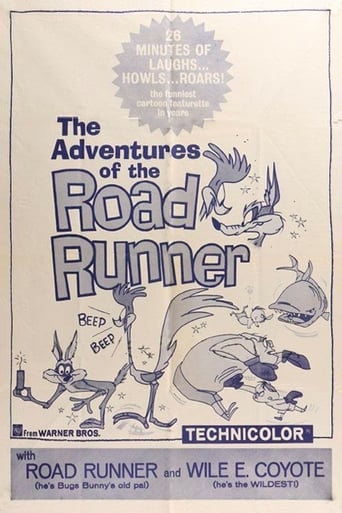
Titles linked here include Adventures of the Road-Runner (1962), The Jetsons (TV series, 1962-1963).
When was Dick Beals born and when did he die?
Born March 16, 1927; died May 29, 2012.
What awards did Dick Beals win?
While Dick Beals didn't receive traditional acting awards, he was recognized by the Advertising Hall of Fame for his iconic work as Speedy Alka-Seltzer and is acknowledged as a pioneer in the voice acting industry.
What was Dick Beals' acting style?
Beals' acting style was characterized by his naturally high-pitched voice which allowed him to convincingly portray children and small characters. He was known for his exceptional vocal control and ability to convey emotion through his distinctive voice.
Why was Dick Beals' voice so high-pitched?
Beals' voice remained high-pitched throughout his life due to a glandular condition that prevented his voice from changing during puberty, which he turned into a professional advantage in his voice acting career.
Did Dick Beals work in live-action films?
No, Dick Beals worked exclusively as a voice actor in animation, radio, and commercials. His career was focused entirely on voice work rather than on-screen acting.