Films
1 film
About Juan Rovira
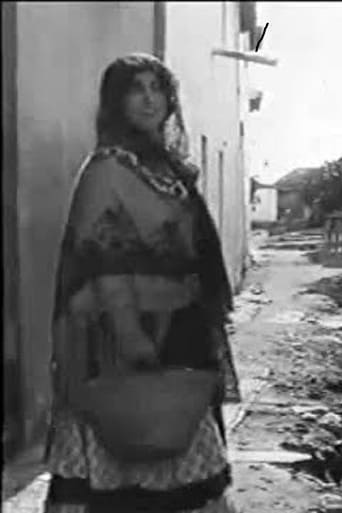
Juan Rovira was cast in 1914 adaptation of 'Carmen,' one of the earliest film versions of Prosper Mérimée's famous novella that had been popularized by Georges Bizet's opera. His career appears to have been extremely brief, with his only known film credit being this 1914 production. Like many actors from the era of cinema, Rovira was likely drawn to the new medium of film during its explosive growth in the early 1910s. The fact that he appeared in a production of 'Carmen' suggests he may have had a background in theater or opera, as this story was immensely popular on stage. His disappearance from film records after 1914 could indicate he returned to theatrical work, moved to another country, or simply did not continue in the film industry as it rapidly professionalized. The early silent era was filled with actors who made only one or two films before the medium became more established and required specialized skills.
The Craft
Milestones
- Appeared in the 1914 film adaptation of 'Carmen'
Best Known For
Must-See Films
Why They Matter
Impact on Culture
As an actor from the very early days of cinema, Juan Rovira represents the generation of film performers who helped establish the medium during its formative years. While his individual impact may be difficult to trace due to the scarcity of records, his participation in early film adaptations of literary works like 'Carmen' contributed to the development of narrative cinema and the translation of stage stories to the screen. These early adaptations were crucial in demonstrating cinema's potential as a serious artistic medium capable of handling complex literary adaptations.
Lasting Legacy
Juan Rovira's legacy is primarily that of a representative figure from the dawn of narrative cinema, when actors were often transient participants in a rapidly evolving art form. His appearance in a 1914 adaptation of 'Carmen' places him among the early generation of performers who helped bridge the gap between theatrical traditions and the new medium of film. While he may not have achieved lasting fame, his contribution to early cinema is part of the foundation upon which the film industry was built.
Who They Inspired
Due to the brevity of his known film career and the scarcity of documentation about his work, Juan Rovira's direct influence on subsequent generations of actors and filmmakers cannot be readily traced. However, like all early film performers, he was part of the experimental period when acting techniques for the screen were being developed, contributing to the evolution of film performance as a distinct art form separate from theatrical acting.
Off Screen
Very little is known about Juan Rovira's personal life, which is typical for actors from the earliest days of cinema who often left minimal historical records. Like many performers from this era, he may have been drawn from theatrical backgrounds or discovered for film work without maintaining a long-term career in the medium.
Did You Know?
- Juan Rovira's entire known film career consisted of a single year - 1914
- His only known film appearance was in 'Carmen,' one of multiple adaptations of this story produced during the silent era
- 1914 was a pivotal year in cinema history, occurring just as feature films were becoming more common
- Many actors from this period have incomplete records due to the chaotic nature of early film production and preservation
- The name 'Juan Rovira' suggests Spanish heritage, fitting for a story set in Spain like 'Carmen'
- Early silent film actors often came from theatrical backgrounds, adapting their stage skills for the new medium
Frequently Asked Questions
Who was Juan Rovira?
Early silent film with credits in this catalog.' His career appears to have been extremely brief, lasting only during the year 1914, and he represents one of the many actors from the dawn of narrative cinema who left minimal historical records.
What films is Juan Rovira best known for?
Titles linked here include Carmen (1914).
When was Juan Rovira born and when did he die?
Unfortunately, specific birth and death dates for Juan Rovira are not available in historical records, which is common for actors from the very early silent era who often left minimal documentation. His only known period of activity was in 1914.
What awards did Juan Rovira win?
Juan Rovira did not receive any known awards or nominations, which is typical for actors from 1914 as the major film award systems, including the Academy Awards, were not established until many years later. The film industry was still in its infancy during his brief career.
What was Juan Rovira's acting style?
Due to the scarcity of records and the loss of many early films, Juan Rovira's specific acting style cannot be documented. However, actors from this period typically used exaggerated gestures and expressions adapted from stage theater, as silent film acting had not yet developed its own distinct techniques.