Films
1 film
About Margarita Silva
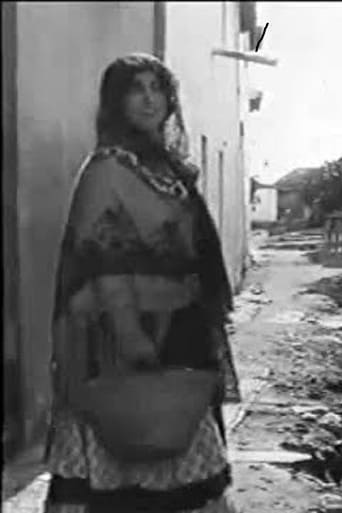
This archive lists one role for Margarita Silva: Carmen (1914). Her career, though brief, coincided with a pivotal period when filmmaking was transitioning from novelty to art form. Silva's only known film credit is the 1914 adaptation of 'Carmen,' one of the many versions of the Prosper Mérimée novella that proved popular with early filmmakers. Like many performers of her era, she likely came from a theatrical background, as stage experience was common among early film actors. The silent film industry of 1914 was still developing its star system, and many actors worked anonymously or with minimal recognition. Silva's disappearance from film records after 1914 suggests she may have been among the many early performers who briefly experimented with the new medium before returning to other pursuits. Her contribution, though small, represents the countless anonymous artists who helped establish the foundation of cinema.
The Craft
Milestones
- Appeared in the 1914 silent film adaptation of 'Carmen'
Best Known For
Iconic Roles
Must-See Films
Why They Matter
Impact on Culture
Margarita Silva represents the countless anonymous performers who populated early silent films during cinema's years. While her individual impact may be difficult to trace, her participation in a 1914 'Carmen' adaptation places her within the context of early narrative filmmaking, when directors were experimenting with adapting literary works for the screen. The early 1910s saw the emergence of feature-length films and more sophisticated storytelling techniques, and every actor who contributed to these productions, however briefly, played a role in cinema's evolution from simple novelty to complex art form.
Lasting Legacy
Margarita Silva's legacy is primarily that of a representative figure from cinema's earliest days - a performer whose brief career illustrates the transient nature of early film work. Her story highlights how many early film actors have been lost to history, their contributions existing only in fragmentary records and surviving film prints. The 1914 'Carmen' stands as proof of her participation in cinema's foundational period, even as her personal story remains largely unknown.
Who They Inspired
Due to the brevity of her career and the limited documentation of her work, Margarita Silva's direct influence on subsequent performers cannot be traced. However, like all early film actors, she contributed to the development of screen acting techniques that would evolve and be refined by later generations of performers.
Off Screen
Very little is documented about Margarita Silva's personal life, which was typical for many early film performers who never achieved star status. Like many actors of the silent era's first decade, her life story remains largely undocumented in film history records.
Did You Know?
- Appeared in one of the earliest film adaptations of 'Carmen' during the silent era
- Her active years covered only a single year according to available film records
- 1914 was a significant year in cinema, marking the transition from short films to features
- Many actors from this period had backgrounds in theater or vaudeville
- Early silent film actors often received minimal credit in surviving film records
- The story of 'Carmen' was
- Most performers from this era have incomplete or lost biographical records
- Silent film actors had to convey emotion purely through physical expression and gesture
Frequently Asked Questions
Who was Margarita Silva?
Early silent film actress known only for her appearance in the 1914 film 'Carmen.' Her career was extremely brief, spanning only the year 1914, and very little biographical information about her has survived from this early period of cinema.
What films is Margarita Silva best known for?
Titles linked here include Carmen (1914).
When was Margarita Silva born and when did she die?
Unfortunately, Margarita Silva's birth and death dates are not documented in available film records. This lack of biographical information is common for many early silent film performers who never achieved star status during cinema's first decades.
What awards did Margarita Silva win?
Margarita Silva did not receive any documented awards, which was typical for actors working in 1914. The Academy Awards were not established until 1929, and formal recognition systems for film actors were virtually nonexistent during this early period of cinema.
What was Margarita Silva's acting style?
While specific details about Margarita Silva's acting style are not documented, actors in 1914 typically used exaggerated gestures and facial expressions to convey emotion in silent films. Most early film actors drew from theatrical techniques, adapting stage performance styles for the camera.
Why is so little known about Margarita Silva?
The scarcity of information about Margarita Silva reflects the broader challenge of documenting early film history. Many performers from the 1910s had brief careers, worked anonymously, and left minimal records. Additionally, film industry documentation and preservation practices were still developing during this era.