
Films
1 film
About Emil Åberg
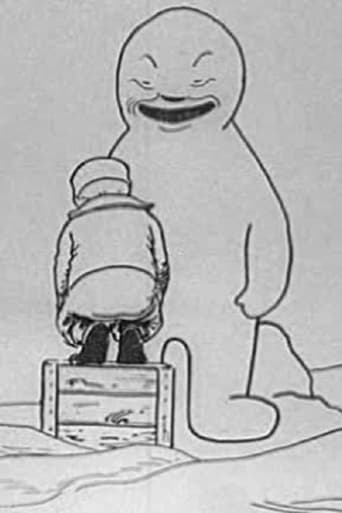
Swedish filmmaker active during the silent era of cinema, with his known work concentrated entirely in the year 1916. He is primarily known for directing the short film 'Lille Kalle drömmer om sin snögubbe' (Little Kalle's Dream of His Snowman), which appears to have been a children's fantasy film typical of early Scandinavian cinema. Åberg's career was remarkably brief, with film records showing activity only during 1916, suggesting he may have been an early pioneer who either transitioned to other work or whose other films have been lost to time. His single known work reflects the imaginative storytelling that characterized early Swedish cinema, which was emerging as a significant force in European film production during this period. The film's title and subject matter indicate Åberg was interested in creating content for younger audiences, a relatively uncommon focus in the early days of cinema when most films targeted adult viewers. Very little documentation survives about Åberg's broader career, personal life, or other potential works, making him one of the more enigmatic figures from the golden age of Swedish silent cinema.
The Craft
Behind the Camera
Early Swedish silent cinema style with focus on children's fantasy content
Milestones
- Directed 'Little Kalle's Dream of His Snowman' (1916)
Best Known For
Must-See Films
Why They Matter
Impact on Culture
Emil Åberg represents the many forgotten pioneers of early cinema whose contributions have been largely lost to history. His work in children's fantasy during the silent era demonstrates the early diversity of Swedish filmmaking, which would later produce internationally acclaimed directors. While his individual impact may be difficult to trace due to the limited survival of his work, he is part of the broader foundation of Swedish cinema that would influence film development in Scandinavia and beyond.
Lasting Legacy
Emil Åberg's legacy is primarily preserved through the historical record of his single known film, serving as proof of the many early filmmakers who experimented with cinema's possibilities in its formative years. His brief appearance in film history highlights the challenges of documenting and preserving early cinema, particularly works from smaller national industries. While not widely recognized today, Åberg represents the countless artists who contributed to cinema's development as an art form during its earliest decades.
Who They Inspired
Due to the limited documentation of Åberg's work and career, his direct influence on other filmmakers is difficult to trace. However, his work in children's fantasy during the silent era contributed to the early exploration of genre cinema in Sweden, which would later influence Scandinavian approaches to family and fantasy filmmaking.
Off Screen
Very little information is available about Emil Åberg's personal life due to the limited documentation of early Swedish cinema personnel and the obscurity of his brief film career.
Did You Know?
- Emil Åberg's entire known film career spans only one year - 1916
- His only known film 'Little Kalle's Dream of His Snowman' was made during the golden age of Swedish silent cinema
- The film's original Swedish title was 'Lille Kalle drömmer om sin snögubbe'
- Children's films were relatively rare in the early 1910s, making his work somewhat unusual for the period
- Very little documentation survives about Åberg, making him one of the more mysterious figures in early Swedish cinema
- His brief career coincided with the emergence of Sweden as a major force in international cinema
- The film appears to have been a short, which was typical for most productions of the era
Frequently Asked Questions
Who was Emil Åberg?
Swedish on YTB.my.' His career appears to have been extremely brief, with documented activity only in 1916.
What films is Emil Åberg best known for?
Titles linked here include Little Kalle's Dream of His Snowman (1916).
When was Emil Åberg born and when did he die?
Unfortunately, specific birth and death dates for Emil Åberg are not documented in available historical records, which is common for many early cinema figures whose careers were brief and whose work has been largely lost.
What awards did Emil Åberg win?
There are no records of Emil Åberg receiving any major awards or recognition, which was typical for many filmmakers during the early silent era when formal award systems had not yet been established.
What was Emil Åberg's directing style?
Based on his single known work, Åberg appears to have worked in the early Swedish silent cinema tradition with a focus on children's fantasy content, though the limited survival of his work makes a comprehensive assessment of his style difficult.
Why is so little known about Emil Åberg?
The limited information about Emil Åberg reflects the broader challenge of documenting early cinema history, particularly for filmmakers with brief careers whose works may have been lost or poorly preserved over time.