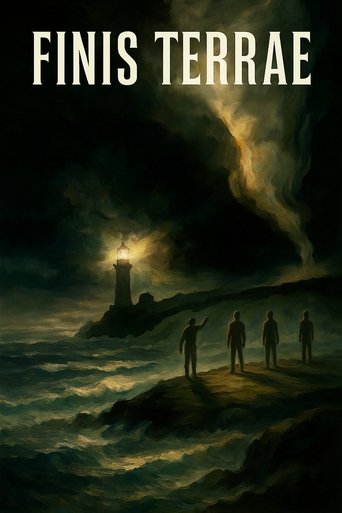
Films
1 film
About Jean-Marie Laot
Jean-Marie Laot worked on one surviving credit: Finis Terræ (1929). His entire known film career consists of a single appearance in Jean Epstein's acclaimed silent film 'Finis Terræ' (1929), which was shot on location in the Ouessant island off the coast of Brittany. Laot was likely a local inhabitant of the region cast for his authentic appearance and connection to the maritime community depicted in the film. Like many regional actors of the silent era, he was probably not a professional actor but rather someone selected for his naturalistic qualities and familiarity with the local environment. His performance in 'Finis Terræ' represents his only documented contribution to cinema history, making him part of the anonymous performers who helped create early French film masterpieces. The film itself was praised for its poetic realism and innovative cinematography, though Laot's individual contribution remains largely undocumented in film historical records.
The Craft
On Screen
Likely naturalistic and non-professional, typical of regional casting in French silent cinema
Milestones
- Appeared in Jean Epstein's 'Finis Terræ' (1929)
- Participated in
Best Known For
Iconic Roles
Must-See Films
Working Relationships
Worked Often With
Studios
Why They Matter
Impact on Culture
Jean-Marie Laot represents the countless anonymous local actors who contributed to the authenticity of regional French cinema during the silent era. His participation in 'Finis Terræ' helped create the film's distinctive Breton atmosphere and contributed to its status as a masterpiece of French poetic realism. While his individual impact may be difficult to trace, he was part of a broader movement in French cinema that valued local authenticity and naturalistic performance over professional theatrical acting.
Lasting Legacy
Jean-Marie Laot's legacy is intrinsically tied to his single appearance in 'Finis Terræ', now considered a classic of French silent cinema. As one of the many regional actors who appeared in early French films, he represents the important but often undocumented contributions of local performers to national cinema. His work, though minimal in quantity, is preserved as part of a film that continues to be studied and appreciated by film historians and enthusiasts of early French cinema.
Who They Inspired
Due to the extremely limited nature of his film work, Jean-Marie Laot's direct influence on other actors or filmmakers cannot be documented. However, his naturalistic performance style, typical of regional casting in French cinema of the period, contributed to the broader movement toward realism that would influence later French cinema, including the poetic realism of the 1930s and eventually the French New Wave.
Off Screen
Very little is documented about Jean-Marie Laot's personal life. He was likely a resident of the Brittany region, possibly from the island of Ouessant where 'Finis Terræ' was filmed. Like many local actors cast in regional French films of the era, he probably returned to his regular occupation after filming concluded.
Did You Know?
- Jean-Marie Laot appeared in only one known film throughout his entire career
- 'Finis Terræ' was shot on location on the remote island of Ouessant in Brittany
- The film's title means 'End of the Earth' in Latin, referring to the westernmost point of France
- Director Jean Epstein was known for casting local non-professionals for authentic performances
- The film was one of the last major French silent productions before the transition to sound
- Laot was likely chosen for his authentic Breton appearance and local knowledge
- The film tells the story of seaweed harvesters and their struggle with disease and isolation
- Many cast members of 'Finis Terræ' were actual residents of Ouessant island
- The film is preserved in the French film archives and remains accessible to scholars
Frequently Asked Questions
Who was Jean-Marie Laot?
Screen credits include only one known film, 'Finis Terræ' (1929). He was likely a local resident of Brittany cast for his authentic appearance in Jean Epstein's acclaimed silent film about Breton seaweed harvesters.
What films is Jean-Marie Laot best known for?
Titles linked here include Finis Terræ (1929).
When was Jean-Marie Laot born and when did he die?
Specific birth and death dates for Jean-Marie Laot are not documented in available historical records. He was active in 1929 and was likely from the Brittany region of France, but detailed biographical information about this obscure actor has been lost to time.
What awards did Jean-Marie Laot win?
Jean-Marie Laot did not receive any documented awards or nominations for his work. As an obscure regional actor from the silent era who appeared in only one film, he was not part of the formal award systems that would later become prominent in cinema.
What was Jean-Marie Laot's acting style?
Laot's acting style was likely naturalistic and non-professional, typical of the regional casting approach favored by director Jean Epstein. Like many local performers in French silent films, he probably brought authentic mannerisms and genuine familiarity with the Breton environment to his performance.