Films
2 films
About Janina Janecka
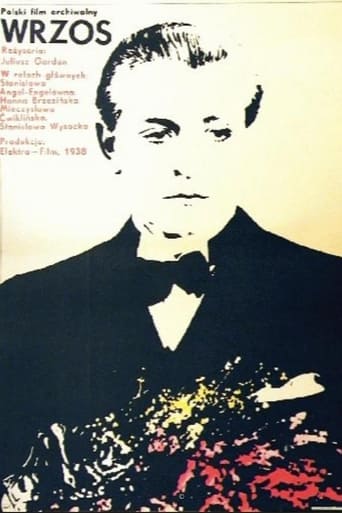
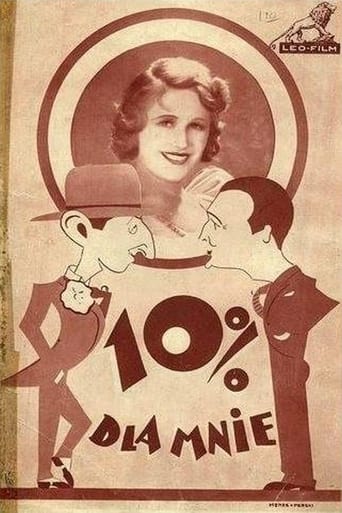
Polish actress who worked during the golden age of Polish cinema in the 1930s, appearing in several notable films during the interwar period. Her career, though brief, spanned from 1933 to 1938, during which she participated in the flourishing Polish film industry that was centered primarily in Warsaw. Janecka appeared in '10% dla mnie' (10% for Me) in 1933, which was one of her early film roles, and later gained recognition for her performance in 'Wrzos' (Heather) in 1938, a significant Polish drama directed by Juliusz Gardan. Her work came during a pivotal time in Polish cinema when the industry was establishing its identity and producing films that reflected Polish culture and society. Like many actors of her era, her career was likely interrupted by the outbreak of World War II in 1939, which devastated the Polish film industry and forced many artists to flee or go underground. Though her filmography was relatively small, Janecka contributed to the preservation of Polish cinematic heritage during this important cultural period.
The Craft
Milestones
- Film debut in '10% dla mnie' (1933)
- Notable performance in 'Wrzos' (1938)
- Contributed to Polish cinema's golden age
- Worked during the interwar period of Polish cultural development
Best Known For
Iconic Roles
Must-See Films
Working Relationships
Worked Often With
Studios
Why They Matter
Impact on Culture
Janina Janecka contributed to Polish cinema during its formative golden age of the 1930s, a period when Polish filmmakers were establishing a national cinematic identity distinct from Hollywood and European influences. Her appearance in 'Wrzos' (1938) places her within the context of important Polish cultural productions that reflected rural and urban Polish life before the devastation of World War II. Though not a major star, her work represents the contributions of the many supporting actors who were essential to creating the Polish cinema during the interwar period. These films serve as important cultural artifacts, preserving Polish language, customs, and societal structures from a pivotal historical moment.
Lasting Legacy
Janina Janecka's legacy lies in her contribution to the preservation of Polish cinematic heritage from the 1930s, a decade that represents a high point in pre-war Polish culture. The films she appeared in, particularly 'Wrzos,' are considered important works in the canon of Polish cinema history and continue to be studied by film historians interested in the development of national cinema. While her individual performances may not be widely remembered today, she represents the generation of Polish actors who helped establish the foundation for Poland's post-war film renaissance. Her work shows the vibrant cultural scene that existed in Poland before the cataclysm of World War II.
Who They Inspired
As a supporting actor during the 1930s, Janina Janecka's direct influence on subsequent generations of Polish actors is difficult to trace, but she was part of the generation that helped establish professional acting standards in Polish cinema. The films she participated in contributed to the development of a distinctly Polish cinematic language and storytelling approach that would influence later Polish filmmakers. Her work, along with that of her contemporaries, helped create a foundation upon which post-war Polish cinema masters like Andrzej Wajda and Andrzej Munk would build their internationally acclaimed careers.
Off Screen
Limited information is available about Janina Janecka's personal life, which was common for many supporting actors of the 1930s Polish film industry. Like many artists of her generation, her life was likely profoundly affected by the outbreak of World War II in 1939, which disrupted the Polish film industry and forced many cultural figures into difficult circumstances. Details about her family background, relationships, or life outside of her brief film career have not been well documented in available historical records.
Did You Know?
- Appeared in films during what is considered the golden age of Polish cinema (1930s)
- Her film 'Wrzos' (1938) was directed by Juliusz Gardan, a prominent Polish director of the era
- The 1930s Polish film industry produced approximately 150 films before being disrupted by World War II
- Many Polish films from the 1930s, including those featuring Janecka, are considered important cultural artifacts
- Polish cinema of the 1930s often focused on themes of national identity and social issues
- The interwar period saw Warsaw emerge as the center of Polish film production
- Many Polish actors from the 1930s had their careers interrupted or ended by the 1939 invasion
- Pre-war Polish films like those Janecka appeared in are studied for their historical and cultural significance
Frequently Asked Questions
Who was Janina Janecka?
Polish actress who worked during the 1930s, appearing in films during the golden age of Polish cinema before World War II. She is known for her roles in '10% dla mnie' (1933) and 'Wrzos' (1938), contributing to the cultural heritage of Polish film during the interwar period.
What films is Janina Janecka best known for?
Titles linked here include Wrzos (1938), 10% dla mnie (1933).
When was Janina Janecka active in films?
Janina Janecka was active in the film industry from 1933 to 1938, a period that coincided with the golden age of Polish cinema. Her career was likely interrupted by the outbreak of World War II in 1939, which devastated the Polish film industry and affected many artists of her generation.
What was the significance of the films Janina Janecka appeared in?
The films Janecka appeared in are culturally significant as they represent the flourishing of Polish cinema during the interwar period. These films serve as important historical documents that preserve Polish language, culture, and societal structures from before World War II, making them valuable artifacts of Polish cultural heritage.
How did World War II affect Janina Janecka's career?
Like many Polish actors of her generation, Janina Janecka's film career was likely interrupted or ended by the outbreak of World War II in 1939. The war devastated the Polish film industry, destroying studios and film archives while forcing many cultural figures either into exile, underground resistance activities, or worse circumstances under occupation.