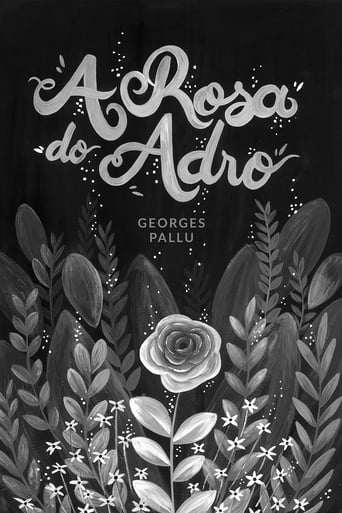
Carlos Santos
Actor
- Active
- 1919-1919
Films 1
About Carlos Santos
Carlos Santos was a Portuguese actor associated with the silent-era film A Rosa do Adro (1919), one of the early Portuguese feature films of the period. The surviving historical record for this exact screen credit is extremely limited, and he appears to have had a very small documented filmography, with no widely preserved biographical profile in standard classic-cinema reference sources. Because of that, the specifics of his birth, death, training, and broader career cannot be reliably confirmed from readily available archival information. What can be said with confidence is that he was active in Portuguese cinema during the formative years of the country's film industry, when actors often moved between stage and screen and many careers were only sparsely documented. His credited participation in a 1919 adaptation places him among the early performers who helped establish feature-length storytelling in Portuguese silent film. No verifiable evidence has surfaced to show a longer surviving screen career, major star status, or extensive later work under this exact name. As a result, Carlos Santos remains an obscure but historically interesting figure from the silent era rather than a widely documented celebrity.
More about Carlos Santos
In film history
Carlos Santos's cultural importance lies less in a large body of surviving screen work than in what his credit represents: the early development of Portuguese feature filmmaking. Performers from this period helped bridge theatrical performance traditions and the expressive demands of silent cinema, contributing to the growth of a national film culture in the years before sound. Even when individual biographies are poorly preserved, these credits are valuable because they document the people who participated in the first generation of feature-length storytelling in Portugal. His presence in A Rosa do Adro places him within an important chapter of Iberian and European silent cinema history, when local adaptations of literary and popular works were helping define audience expectations for the medium.
Later reputation
The legacy of Carlos Santos is primarily archival and historical rather than star-driven. He is part of the early recorded workforce of Portuguese silent film, a group whose contributions are often underdocumented due to the fragility of nitrate film, incomplete studio records, and the limited preservation of personnel files from the era. For film historians, names like his matter because they help reconstruct the industrial and artistic ecosystem of early national cinemas. His surviving credit in A Rosa do Adro ensures that he remains a traceable participant in the silent-era story of Portuguese film, even if a fuller personal biography has not been preserved. In databases and reference works, he serves as an example of how many early screen artists are known from only one or a few surviving credits. That scarcity itself is part of his historical significance, underscoring the importance of preservation and archival research for silent-era cinema.
Influence
There is no reliable evidence that Carlos Santos directly influenced later actors or directors in a documented, traceable way. His likely influence was indirect, as part of the early generation of performers whose work helped normalize feature-length film acting in Portugal. In that broader sense, he contributed to the performance traditions that later Portuguese screen actors inherited, even if his individual name did not become widely famous. Because the available record is so limited, any more specific claims about his artistic influence would be speculative.
Off screen
No reliable biographical information about Carlos Santos's personal life has been confirmed in accessible classic-cinema references. Details such as family background, marital status, residence, and career outside film are not documented here with sufficient confidence to state as fact. Given the limited surviving record, it is possible that he worked primarily in theatre or other local performance venues, but that cannot be verified from the available evidence.
Credits
- Credited appearance in the silent Portuguese feature A Rosa do Adro (1919)
- Participation in one of the early feature-film productions of Portuguese cinema
- Representation of the stage-to-screen acting culture common in early 20th-century Iberian cinema
- Documented screen work during the silent era, a period when many performers' careers were only partially recorded
Roles
- Role in A Rosa do Adro (1919)
Films
- A Rosa do Adro (1919)
Notes
- He is credited in A Rosa do Adro (1919), an important early Portuguese silent film.
- His documented film career, as currently available in standard reference material, appears to consist of only one known screen credit.
- He belongs to the earliest generation of Portuguese screen actors recorded by name in surviving film histories.
- The scarcity of information about him is typical of many silent-era performers whose records were never fully preserved.
- His name is not sufficiently documented in mainstream classic-cinema sources to confirm birth, death, or broader stage career details.
- He may have worked in theatre or local performance before or after film, but this cannot be verified from reliable sources.
- He should not be confused with other individuals named Carlos Santos who may belong to later eras or different professions.
Questions
Who was Carlos Santos?
Carlos Santos was a Portuguese silent-era actor known from his credit in A Rosa do Adro (1919). Beyond that documented appearance, surviving biographical information is extremely limited, so he is best understood as an early film performer from the formative years of Portuguese cinema.
What films is Carlos Santos best known for?
He is best known for A Rosa do Adro (1919), which is the primary surviving screen credit associated with his name. No additional film titles can be stated with confidence from the available classic-cinema record.
When was Carlos Santos born and when did he die?
His birth and death dates are not reliably documented in accessible classic-cinema sources. Because the historical record is sparse, it is not possible to confirm his place or dates of birth and death with confidence.
What awards did Carlos Santos win?
No awards or nominations are currently documented for Carlos Santos in the available historical record. This is not unusual for silent-era performers, many of whom worked before modern awards systems were established.
What was Carlos Santos's acting style?
No detailed critical descriptions of his acting style have survived in the available sources. As a silent-era performer, he would have worked within the expressive, gesture-based performance conventions typical of early cinema, but any more specific characterization would be speculative.
What is Carlos Santos's legacy in film history?
His legacy is that of an early participant in Portuguese silent cinema, contributing to one of the country's formative feature films. Even with limited biographical data, his screen credit helps historians reconstruct the people involved in the development of national film production.
Did Carlos Santos work with any famous directors or actors?
No frequent collaborators can be confirmed from the surviving record. His credited association with A Rosa do Adro indicates involvement in a significant production, but the broader network of collaborators is not sufficiently documented.