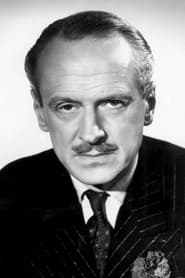
Miles Mander
Actor
Born: May 14, 1888 in Worcester, Worcestershire, England Died: February 8, 1946 Active: 1920-1946 Birth Name: Lionel Henry Mander
Films
1 film
About Miles Mander
Miles Mander, born Lionel Henry Mander, was a British character actor, director, and writer who enjoyed a prolific career spanning three decades in both British and Hollywood cinema. After serving in World War I, he began his film career in the early 1920s, initially working as a writer and director before transitioning primarily to acting. Mander established himself as a versatile performer, particularly excelling at portraying suave villains, aristocratic gentlemen, and sophisticated authority figures. His career flourished in the 1930s when he relocated to Hollywood, where he appeared in numerous prestigious productions alongside the era's biggest stars. Despite often playing supporting roles, his commanding presence and distinctive voice made him a memorable presence in films like 'The Prisoner of Zenda' (1937) and 'Rebecca' (1940). Beyond acting, he continued to write novels and screenplays throughout his career, showcasing his multifaceted talents. His career was tragically cut short when he died of a heart attack in 1946 at the age of 57, while still actively working in films.
The Craft
On Screen
Mander was known for his refined, aristocratic bearing and distinctive baritone voice, which made him particularly effective in roles as sophisticated villains, British aristocrats, and authority figures. He brought a theatrical precision to his performances, often delivering lines with crisp diction and measured timing that reflected his stage training. His ability to convey menace through subtle gestures and cold, calculating gazes made him a memorable antagonist in numerous films.
Milestones
- Transitioned from British film industry to Hollywood in the 1930s
- Directed and wrote several silent films in the 1920s
- Established himself as a reliable character actor in major Hollywood productions
- Published several novels in addition to his film work
- Appeared in over 100 films during his career
Best Known For
Iconic Roles
Must-See Films
Accolades
Special Recognition
- Star on the Hollywood Walk of Fame (located at 1722 Vine Street)
Working Relationships
Worked Often With
Studios
Why They Matter
Impact on Culture
Miles Mander contributed significantly to the transatlantic exchange of acting styles between British and Hollywood cinema during the 1930s and 1940s. His ability to seamlessly transition between British and American productions helped bridge the gap between the two film industries, bringing a touch of British theatrical sophistication to Hollywood while adapting to American film techniques. As.
Lasting Legacy
Miles Mander is remembered. His extensive filmography serves as a valuable record of the types of characters that defined 1930s and 1940s cinema, and his performances continue to be studied by film scholars interested in the representation of British characters in American films. Despite never achieving leading man status, his consistent work ethic and memorable performances in supporting roles earned him a permanent place in classic cinema history.
Who They Inspired
Mander's refined approach to playing villains and authority figures influenced subsequent generations of British actors working in Hollywood, including actors like George Sanders and Basil Rathbone who similarly specialized in sophisticated antagonists. His ability to maintain a distinct British identity while successfully working within the Hollywood system paved the way for other British character actors to find success in American films.
Off Screen
Miles Mander was married twice during his lifetime. His first marriage was to Princess Maud of Saxe-Weimar, though this union ended in divorce. He later married Kathleen French, an American actress, with whom he remained until his death. Despite his aristocratic bearing and often playing upper-class characters, Mander came from a middle-class background and worked his way up in the entertainment industry through sheer talent and determination.
Education
Educated at Harrow School and later attended Magdalen College, Oxford, though he left before completing his degree to pursue a career in the arts
Family
- Princess Maud of Saxe-Weimar (1920s)
- Kathleen French (1932-1946)
Did You Know?
- He was originally a successful farmer before entering the film industry
- His brother Geoffrey Mander — prominent British politician and industrialist
- He wrote and published several novels, including 'The Flying Fool' which was adapted into a film
- Despite playing aristocrats on screen, he came from a middle-class family
- He was an accomplished pilot and owned his own aircraft
- He changed his professional name from Lionel to Miles to avoid confusion with another actor
- He appeared in both the British and American versions of some films
- He was fluent in French and German, which helped him secure international roles
- He died while filming 'The Verdict' (1946), requiring his scenes to be completed by a double
- He was a talented painter and had several exhibitions of his artwork
In Their Own Words
In Hollywood, the British actor is either a butler or a villain. I've been both, and frankly, the villain is more fun.
The secret to playing a convincing villain is not to think of yourself as evil, but as right in a world that happens to be wrong.
Frequently Asked Questions
Who was Miles Mander?
British character actor, on YTB.my. He was known for playing sophisticated villains and aristocratic characters in over 100 films.
What films is Miles Mander best known for?
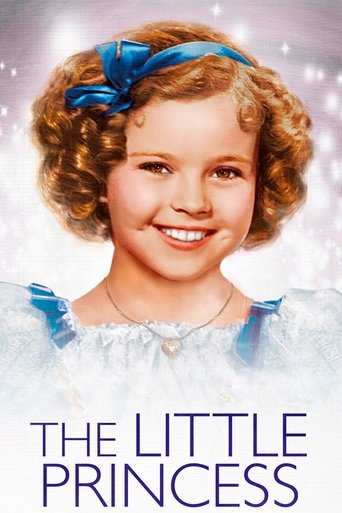
Titles linked here include The Prisoner of Zenda (1937), Rebecca (1940).
When was Miles Mander born and when did he die?
Born May 14, 1888; died February 8, 1946.
What awards did Miles Mander win?
While Miles Mander did not receive major acting awards during his lifetime, he was honored with a star on the Hollywood Walk of Fame at 1722 Vine Street in recognition of his contributions to the film industry.
What was Miles Mander's acting style?
Mander was known for his refined, aristocratic bearing and distinctive baritone voice, making him particularly effective as sophisticated villains and authority figures. He brought theatrical precision to his performances with crisp diction and measured timing.
Did Miles Mander work behind the camera as well?
Yes, early in his career, Miles Mander worked as a director and writer in British cinema during the silent era. He directed several films and also wrote novels and screenplays throughout his career.
Was Miles Mander really British royalty?
No, despite his first marriage to Princess Maud of Saxe-Weimar, Miles Mander himself came from a middle-class background. His ability to convincingly portray aristocrats was due to his acting talent and education at Harrow School, not royal lineage.