Lancelot Speed
Actor & Director
Born: 1860 in London, England Died: 1931 Active: 1914-1914
Films
1 film
About Lancelot Speed
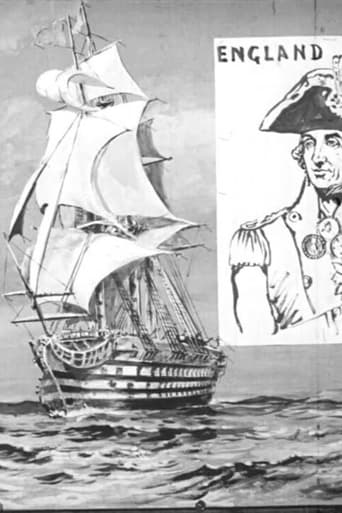
Lancelot Speed (1860-1931) was a British illustrator and artist who briefly ventured into early cinema during the silent era. Primarily renowned for his detailed illustrations in adventure and boys' story publications, Speed brought his artistic sensibilities to filmmaking in 1914. His sole known film credit, 'Sea Dreams,' showcased his dual talents as both director and actor, though this appears to have been an experimental foray into motion pictures. Speed's main career remained in book illustration, where he worked on numerous popular adventure stories and children's books throughout the late Victorian and Edwardian periods. His artistic style was characterized by intricate detail and dramatic compositions that translated well to visual storytelling. Though his film career was brief, Speed represents the cross-pollination between Victorian illustration arts and emerging cinema technology. His work in both mediums reflects the transitional period when visual artists were exploring new forms of expression through motion pictures.
The Craft
On Screen
Limited information available due to brief film career, likely reflected Victorian theatrical traditions given his background
Behind the Camera
Artistically influenced by his illustration background, with attention to visual composition and detail
Milestones
- Illustrated numerous adventure and children's books in the Victorian era
- Directed and acted in 'Sea Dreams' (1914)
- Contributed to early British silent cinema
- Known for detailed pen-and-ink illustrations
Best Known For
Iconic Roles
Must-See Films
Working Relationships
Studios
Why They Matter
Impact on Culture
Lancelot Speed represents an important transitional figure in the history of visual arts, bridging the gap between Victorian book illustration and early cinema. His brief foray into filmmaking with 'Sea Dreams' exemplifies how traditional artists explored the new medium of motion pictures during cinema's formative years. As an established illustrator, Speed brought sophisticated visual sensibilities to early film, contributing to the development of cinematic visual language. His work demonstrates the cross-pollination between different art forms during the early 20th century, when the boundaries between illustration, photography, and motion pictures were still being defined.
Lasting Legacy
Lancelot Speed's legacy lies primarily in his contribution to Victorian and Edwardian illustration, with his brief film career serving as an interesting footnote in cinema history. His artistic influence can be seen in the way early filmmakers borrowed compositional techniques from book illustration. While not a major figure in film history, Speed represents the many artists from traditional media who experimented with cinema during its infancy. His work in 'Sea Dreams' provides insight into how visual artists approached the new medium of film, bringing their established aesthetic principles to moving images.
Who They Inspired
Speed's influence on cinema appears limited due to his brief involvement in the medium. However, his work as an illustrator influenced generations of artists and storytellers in the book publishing industry. His approach to visual storytelling through detailed compositions likely influenced other early filmmakers who came from artistic backgrounds. The cross-disciplinary nature of his career exemplifies the artistic experimentation that characterized the early film period.
Off Screen
Limited information available about Speed's personal life. He was part of the Victorian artistic community and worked primarily as a commercial illustrator. His active years covered the transition from Victorian to Edwardian England, during which he adapted his artistic skills to various media including the emerging film industry.
Education
Limited information available, likely received formal art training typical of Victorian illustrators
Did You Know?
- Primarily known as a book illustrator rather than a filmmaker
- His artistic active years covered the Victorian and Edwardian periods
- Specialized in adventure and boys' story illustrations
- His only known film credit came when he was in his 50s
- Represents the transition from static illustration to moving pictures
- His film work coincided with the early years of British cinema
- Like many early filmmakers, he came from a traditional art background
- His illustration style was known for its dramatic and detailed compositions
Frequently Asked Questions
Who was Lancelot Speed?
British illustrator and artist who briefly worked in early cinema, primarily known for his detailed illustrations in adventure books during the Victorian and Edwardian periods.
What films is Lancelot Speed best known for?
Titles linked here include Sea Dreams (1914).
When was Lancelot Speed born and when did he die?
Born 1860; died 1931.
What awards did Lancelot Speed win?
There are no recorded awards or honors for Lancelot Speed, likely due to the brief nature of his film career and the early stage of cinema during his active period.
What was Lancelot Speed's artistic style?
Speed's artistic style was characterized by detailed, dramatic compositions in his illustrations, which he likely brought to his brief filmmaking work, emphasizing visual storytelling and careful composition.
Why is Lancelot Speed considered important in film history?
Speed represents the cross-pollination between traditional Victorian illustration arts and early cinema, exemplifying how established artists explored the new medium of motion pictures during its formative years.