Marguerite Lumière
Actor
Born: 1869 in Lyon, France Died: 1930 Active: 1895-1896 Birth Name: Marguerite Winckler
Films
2 films

About Marguerite Lumière
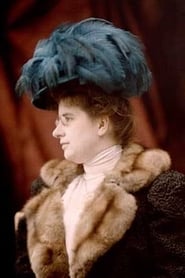
Marguerite Lumière, born Marguerite Winckler, was a French woman who made an indelible mark on cinema history through her brief but significant appearances in some of the first films ever created. As the wife of Auguste Lumière, one half of the Lumière brothers who invented the cinematograph, she became one of the very first film actors in history. Her appearances in films like 'Baby's Meal' (1895) and 'The Arrival of a Train at La Ciotat' (1896) were not professional acting roles but rather natural family moments captured by the Lumière brothers as they experimented with their new invention. Her brief film just two years, from 1895 to 1896, but her appearances have become in film history. Marguerite's role in these films represents the birth of cinema as a medium for capturing and preserving human experiences. Her natural presence on screen helped establish the Lumière brothers' approach to filmmaking, which emphasized authenticity and the beauty of ordinary moments. In 'Baby's Meal,' she appears with her husband and child, creating one of the first family scenes ever filmed. Her participation in these early experiments with moving images contributed to the development of cinema as an art form and a means of documenting human life.
The Craft
On Screen
Natural and unposed, representing the documentary style of early Lumière films
Milestones
- Appeared in 'Baby's Meal' (1895), one of the first films ever made
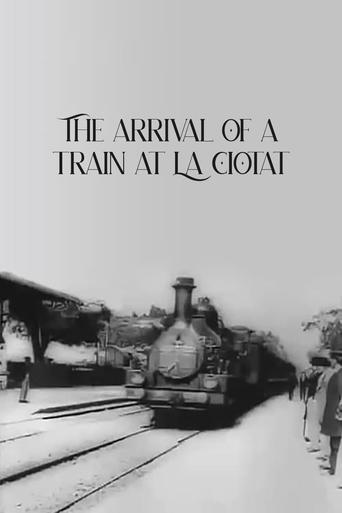
- Featured in 'The Arrival of a Train at La Ciotat' (1896)
- Part of the Lumière family that pioneered cinema
- One of the first film actors in history
Best Known For
Iconic Roles
Must-See Films
Accolades
Special Recognition
- Recognized as one of cinema's first actors
- Part of the Lumière family legacy in film history
Working Relationships
Worked Often With
Studios
Why They Matter
Impact on Culture
Marguerite Lumière's appearances in the earliest films represent the birth of cinema as a medium for capturing real human moments. Her natural presence in films like 'Baby's Meal' helped establish the documentary style that characterized early Lumière productions, contrasting with the theatrical approach of other early filmmakers. As one of the first people ever captured on moving film, she represents the transition from photography to motion pictures and the beginning of film as a means of preserving family life and everyday activities. Her participation in these films demonstrated that cinema could capture intimate family moments, a concept that would evolve into home movies and personal filmmaking throughout the 20th century. The authenticity she brought to these early films helped establish cinema's potential as both an art form and a documentary medium, influencing generations of filmmakers who sought to capture real human experiences on camera.
Lasting Legacy
Marguerite Lumière's legacy is intrinsically tied to the birth of cinema itself. As one of the first people ever filmed, she represents the dawn of motion pictures and the beginning of film acting. Her appearances in historically significant films have ensured her place in cinema history, even though her film career lasted only two years. The films she appeared in continue to be studied and celebrated as foundational works in the history of cinema, making her an enduring figure in film scholarship. Her natural, unposed style in these early films helped establish cinema's ability to capture authentic human moments, a principle that continues to influence documentary filmmaking and cinéma vérité. As part of the Lumière family legacy, she symbolizes the intimate connection between technological innovation and human experience that characterized the birth of cinema.
Who They Inspired
While Marguerite Lumière had a very brief film career, her influence on cinema is significant due to her role in establishing early film aesthetics. Her natural, unposed presence in the Lumière brothers' films helped demonstrate that cinema could capture authentic moments rather than requiring theatrical performance. This approach influenced the development of documentary filmmaking and the French realist tradition that would emerge decades later. Her appearances in family scenes helped establish the concept of cinema as a medium for preserving personal and family memories, influencing the development of home movies and personal filmmaking. The intimate, domestic nature of her most famous film, 'Baby's Meal,' prefigured the family film genre and demonstrated cinema's potential to capture private moments.
Off Screen
Marguerite Winckler married Auguste Lumière, one of the Lumière brothers who invented the cinematograph. The couple had children together, including their baby who appeared in 'Baby's Meal'. As part of the Lumière family, she was present during the birth of cinema and participated in the early experiments that would revolutionize visual entertainment.
Education
Limited information available about her formal education, typical for women of her social class and era
Family
- Auguste Lumière (1890-1930)
Did You Know?
- One of the first film actors in history
- Appeared in 'Baby's Meal' with her husband and infant daughter
- The film 'Baby's Meal' is only 41 seconds long but historically significant
- Her husband Auguste Lumière co-invented the cinematograph with his brother Louis
- The Lumière brothers' first public screening on December 28, 1895, is considered the birth of cinema
- Her appearances were not professional acting roles but natural family moments
- She was present during cinema's very birth as an entertainment medium
- The films she appeared in were among the first to be projected for paying audiences
- Her image has been preserved for over 125 years in these historic films
- She represents the transition from still photography to moving pictures
In Their Own Words
No recorded quotes are available from Marguerite Lumière, as she was not a public figure who gave interviews or speeches during the silent film era
Frequently Asked Questions
Who was Marguerite Lumière?
Marguerite Lumière, born Marguerite Winckler, was the wife of Auguste Lumière and one of the first film actors in history. She appeared in some of the earliest films ever made, including 'Baby's Meal' (1895) and 'The Arrival of a Train at La Ciotat' (1896), during the very birth of cinema.
What films is Marguerite Lumière best known for?
Titles linked here include Baby's Meal (1895), The Arrival of a Train at La Ciotat (1896).
When was Marguerite Lumière born and when did she die?
Born 1869; died 1930.
What awards did Marguerite Lumière win?
Marguerite Lumière did not receive any formal awards during her lifetime, as the film industry and its award systems had not yet been established during her brief film career in 1895-1896. Her recognition comes from her historical significance as one of cinema's first actors.
What was Marguerite Lumière's acting style?
Her acting style was natural and unposed, representing the documentary approach of early Lumière films. She was not performing for the camera but rather participating in authentic family moments that the Lumière brothers captured while experimenting with their new invention.
How was Marguerite Lumière related to the Lumière brothers?
Marguerite Lumière was married to Auguste Lumière, one of the two Lumière brothers who invented the cinematograph and pioneered cinema. This family connection made her a natural subject for their early film experiments.
Why is Marguerite Lumière important in film history?
Marguerite Lumière is important in film history as one of the very first people ever captured on moving film. Her appearances in the Lumière brothers' films represent the birth of cinema and the beginning of film acting, making her a significant figure in the history of motion pictures.