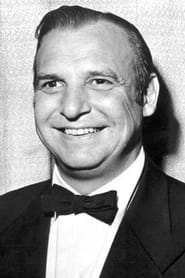
Jackie Coogan
Actor
Born: October 26, 1914 in Los Angeles, California, USA Died: March 1, 1984 Active: 1917-1984 Birth Name: John Leslie Coogan
Films
7 films


About Jackie Coogan
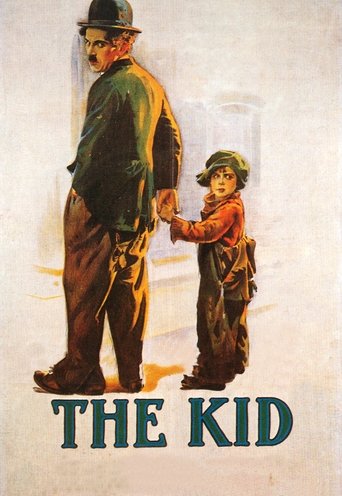
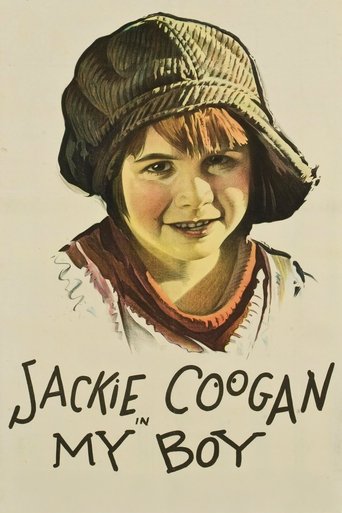
Jackie Coogan was discovered by Charlie Chaplin at age 5 while performing in vaudeville and became cinema's first major child star, revolutionizing how children were portrayed on screen. His breakthrough came in Chaplin's 'The Kid' (1921), where his natural, unforced acting style contrasted sharply with the theatrical performances typical of the era. Coogan earned millions as a child star, appearing in numerous silent films including 'Oliver Twist' (1922) and 'My Boy' (1921), becoming one of the highest-paid actors in Hollywood by age 7. After his popularity waned in adulthood, he served with distinction in World War II, then rebuilt his career as a character actor in films and television. His most famous adult role was as Uncle Fester in 'The Addams Family' TV series (1964-1966), which introduced him to a new generation. Coogan's legal battle with his mother over his childhood earnings led to the landmark California Child Actor's Bill (Coogan Act) of 1939, protecting child performers' finances. His over six decades, from silent cinema's golden age through television's classic period, making him a bridge between two major entertainment eras.
The Craft
On Screen
Natural and spontaneous acting style that was revolutionary for child actors of the silent era. Coogan possessed an innate ability to convey genuine emotion without the exaggerated theatrics common in early cinema. His performances were marked by authentic facial expressions and body language that audiences found remarkably believable. Chaplin specifically coached him to avoid the 'precocious' acting style typical of child performers, instead encouraging genuine reactions and spontaneous behavior.
Milestones
- Discovered by Charlie Chaplin at age 5
- Starred in 'The Kid' (1921) -
- Became cinema's first major child star
- Fought legal battle leading to the Coogan Act protecting child actors
- Successfully transitioned to television as Uncle Fester in 'The Addams Family'
Best Known For
Iconic Roles
Must-See Films
Accolades
Won
- Hollywood Walk of Fame Star (1960)
- Young Hollywood Hall of Fame (inducted 1979)
Nominated
- Academy Award Juvenile Award (considered but not formally nominated in early years)
Special Recognition
- Star on Hollywood Walk of Fame at 6821 Hollywood Boulevard
- Inducted into the Vaudeville Hall of Fame
- Child Actor Award from the Young Artist Association (posthumous)
Working Relationships
Worked Often With
Studios
Why They Matter
Impact on Culture
Jackie Coogan fundamentally changed how children were portrayed in cinema, moving away from the theatrical, overly precocious performances common in early film to a more naturalistic style that audiences found authentic and relatable. His immense popularity as a child star created the template for the modern child celebrity phenomenon, with merchandise, fan clubs, and international recognition unprecedented for a young performer. The legal battle over his earnings exposed the exploitation of child performers and led to landmark legislation that continues to protect young actors today. Coogan's career trajectory from silent film star to television character actor also demonstrated the evolving nature of show business across different media and eras.
Lasting Legacy
Jackie Coogan's legacy extends far beyond his film performances. The Coogan Act remains the foundation of child performer protection laws in California and has influenced similar legislation worldwide. As the first major child star, he paved the way for countless young performers who followed, proving that children could carry major films and be legitimate box office draws. His successful transition to television as Uncle Fester showed remarkable adaptability and introduced him to new audiences, ensuring his relevance across generations. Film historians credit Coogan with bringing naturalism to child acting and helping establish more sophisticated approaches to working with young performers.
Who They Inspired
Coogan influenced generations of child actors by demonstrating that natural, unforced performances could be more powerful than theatrical exaggeration. His legal battle inspired the entertainment industry to implement better protections for young performers. Directors studying Chaplin's work often analyze Coogan's performance in 'The Kid' as a masterclass in directing child actors. His career longevity and adaptability served as a model for performers transitioning between different media and formats. The Coogan Act has become a cultural reference point in discussions about child performers' rights and entertainment industry ethics.
Off Screen
Coogan's personal life was marked by both privilege and tragedy. His father died in a motorcycle accident when Jackie was 16, and his mother and stepfather controlled his multi-million dollar earnings. He married four times, including to actress Betty Grable from 1937-1939. During World War II, he enlisted as a glider pilot and served with distinction in the China-Burma-India Theater. After his film career declined, he found renewed success in television. He died of a heart attack at age 69 in Santa Monica, California, leaving behind a legacy as both a child star and advocate for performers' rights.
Education
Attended Polytechnic High School in Los Angeles, studied at USC after his film career declined, later attended acting schools to transition to adult roles
Family
- Betty Grable (1937-1939)
- Florabelle Levere (1941-1943, her death)
- Ann McCormack (1946-1951)
- Dorothea Odetta Hanson (1952-1984, his death)
Did You Know?
- Earned approximately $4 million (equivalent to over $60 million today) as a child actor but received less than $50,000 of it
- Was the first child star to have merchandise (dolls, toys, books) marketed based on his film persona
- Met Charlie Chaplin when he was performing a dance routine at a Los Angeles theater
- During World War II, he flew dangerous glider missions behind enemy lines in Burma
- His role as Uncle Fester was originally meant to be a guest appearance but became a regular character due to popularity
- The Coogan Act was the first law in the United States to protect child actors' earnings
- Was a skilled motorcycle enthusiast like his father, and owned a collection of rare motorcycles
- His funeral was attended by many of 'The Addams Family' cast members
- Appeared in over 40 films as a child actor
- Was friends with fellow child star Baby Peggy, and they remained friends throughout their lives
In Their Own Words
"I was a bigger star than any of them, even Chaplin. I was the biggest star in the world." - reflecting on his childhood fame
"The money is gone. I don't know where it went, but it's gone." - on his lost childhood earnings
"Uncle Fester was the best role I ever had. People still recognize me from that show." - on his TV career
"Chaplin taught me everything about acting. He said to just be natural, don't act." - on Charlie Chaplin's mentorship
Frequently Asked Questions
Who was Jackie Coogan?
American with credits in this catalog. He later successfully transitioned to adult roles and television, best known as Uncle Fester in 'The Addams Family' series.
What films is Jackie Coogan best known for?
Titles linked here include The Kid (1921), Oliver Twist (1922).
When was Jackie Coogan born and when did he die?
Born October 26, 1914; died March 1, 1984.
What awards did Jackie Coogan win?
While Coogan didn't receive major Academy Awards during his career, he earned a star on the Hollywood Walk of Fame in 1960 and was inducted into the Young Hollywood Hall of Fame. His most significant achievement was the passage of the Coogan Act protecting child actors.
What was Jackie Coogan's acting style?
Coogan's acting style was notably natural and spontaneous, especially revolutionary for a child actor in the silent era. Under Chaplin's guidance, he avoided theatrical exaggeration in favor of genuine emotions and reactions, making his performances remarkably authentic and relatable to audiences.
What is the Coogan Act?
The Coogan Act, officially the California Child Actor's Bill of 1939, was landmark legislation that requires 15% of a child performer's earnings to be protected in a trust account. It was named after Jackie Coogan following his legal battle to recover his childhood earnings from his parents.
How did Jackie Coogan transition from child star to adult actor?
After his popularity as a child star waned, Coogan served in World War II as a glider pilot, then struggled to find adult roles in films. He eventually found success as a character actor in television, most notably as Uncle Fester in 'The Addams Family,' which revitalized his career and introduced him to new audiences.
What was Jackie Coogan's relationship with Charlie Chaplin?
Charlie Chaplin discovered Coogan at age 5 and became his mentor, casting him in several films including the masterpiece 'The Kid.' Chaplin coached Coogan in natural acting techniques and their professional relationship was.