Hal Yates
Director
Born: February 26, 1895 in New York City, New York, USA Died: January 20, 1972 Active: 1924-1941 Birth Name: Harold Yates
Films
1 film
About Hal Yates
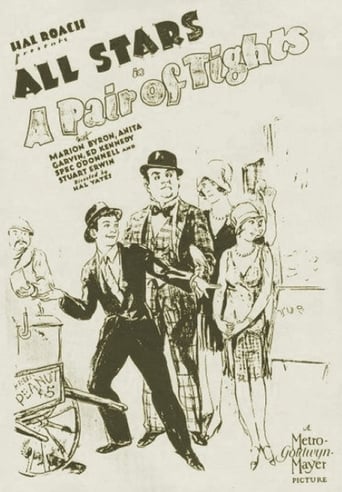
American film director and screenwriter who became prolific directors of comedy shorts during Hollywood's transition from silent films to sound. Beginning his career in the mid-1920s, Yates initially worked as an actor before finding his true calling behind the camera. He first gained recognition working with comedy pioneer Mack Sennett, where he developed his distinctive style of rapid-paced slapstick comedy. Yates later joined Hal Roach Studios, where he directed numerous comedy shorts featuring some of the era's most popular performers. His 1929 film 'A Pair of Tights' exemplifies his work during this crucial period of cinema history, showcasing his ability to blend visual gags with emerging sound technology. Throughout his career, Yates directed well over 100 short films, demonstrating remarkable versatility in adapting to the changing demands of the film industry. He successfully navigated the challenging transition from silent to sound films, maintaining the visual comedy elements that made his work popular while incorporating dialogue effectively. Yates retired from directing in the early 1940s, leaving behind a significant body of work that represents the golden age of Hollywood comedy shorts.
The Craft
Behind the Camera
Hal Yates was known for his fast-paced directing style that emphasized visual gags, precise timing, and rapid editing. His comedy shorts featured elaborate physical comedy routines and clever sight gags that became hallmarks of his work. Yates had a particular talent for staging complex comedic sequences that maximized the potential of the short film format, often incorporating chase scenes and slapstick mishaps that built to chaotic but controlled climaxes.
Milestones
- Directed over 100 comedy shorts
- Worked with Mack Sennett Studios
- Directed at Hal Roach Studios
- Successfully transitioned from silent to sound films
- Academy Award nomination for Best Short Subject (1936)
Best Known For
Must-See Films
Accolades
Won
- Academy Award for Best Short Subject (Comedy) - Nominee for 'The Chump' (1938)
Nominated
- Academy Award nomination for Best Short Subject (Comedy) - 'The Chump' (1938)
Special Recognition
- Contributed significantly to the development of the comedy short film format
- Pioneered techniques for transitioning silent comedy to sound films
Working Relationships
Worked Often With
Studios
Why They Matter
Impact on Culture
Hal Yates played a significant role in shaping the comedy short film format that was a staple of cinema programming during the 1920s and 1930s. His work helped establish many of the conventions and techniques that would become standard in comedy filmmaking, particularly in the realm of physical comedy and visual gags. Yates' films were instrumental in bridging the gap between silent and sound comedy, demonstrating how classic slapstick techniques could be adapted for talking pictures. His influence extended to later generations of comedy filmmakers who studied the pacing and structure of his shorts as models for effective comedic storytelling in condensed formats.
Lasting Legacy
Hal Yates' legacy lives on through the hundreds of comedy shorts he directed that continue to be studied and appreciated by film historians and comedy enthusiasts. His work represents a crucial chapter in the development of American film comedy, particularly during the transitional period from silent to sound cinema. While not as widely known as some of his contemporaries, Yates' technical skill and comedic sensibility helped define the golden age of Hollywood comedy shorts. His films serve as valuable historical documents that showcase the evolution of comedy techniques and the collaborative nature of early Hollywood studio production.
Who They Inspired
Yates influenced subsequent generations of comedy directors through his innovative approaches to visual gags and timing. His work with comedy troupes and individual performers helped establish patterns for comedic ensemble work that would influence later television sitcoms and comedy films. Directors like Preston Sturges and early television comedy producers drew inspiration from the efficient, gag-heavy style that Yates perfected in his short films. His ability to deliver consistent comedic content under tight production schedules became a model for television comedy production in the 1950s and beyond.
Off Screen
Hal Yates maintained a relatively private personal life away from the Hollywood spotlight. He was married to actress and screenwriter Anita Garvin, with whom he frequently collaborated professionally. Their partnership was both personal and professional, with Garvin often appearing in or writing for his films. Yates was known among his colleagues as a reliable and hardworking director who could deliver quality comedy shorts on tight schedules and limited budgets.
Education
Limited formal education in film; learned primarily through hands-on experience in the early Hollywood studio system
Family
- Anita Garvin (1930s-1972, his death)
Did You Know?
- Directed over 100 comedy shorts in his career
- Began as an actor before transitioning to directing
- Worked with both Mack Sennett and Hal Roach, two of the most important comedy producers of the era
- His wife Anita Garvin appeared in many of his films
- Successfully navigated the difficult transition from silent to sound films
- Many of his films are now considered lost, a common fate for short films of that era
- His 1929 film 'A Pair of Tights' was made during the crucial transition period to sound
- Yates was particularly skilled at directing chase sequences and physical comedy
- He often worked with the same group of actors repeatedly, creating a stock company feel
- His films were known for their tight pacing and maximum gag density
In Their Own Words
In comedy shorts, you can't waste a single frame - every moment has to count for a laugh
The transition to sound didn't kill comedy, it just made us work harder to make the visuals even funnier
A good comedy short is like a perfectly constructed joke - setup, development, and punchline all in ten minutes
Frequently Asked Questions
Who was Hal Yates?
American on YTB.my. He directed over 100 short films and worked with major comedy producers like Mack Sennett and Hal Roach, helping to define the golden age of Hollywood comedy shorts.
What films is Hal Yates best known for?
Titles linked here include A Pair of Tights (1929), The Big Squirt (1933).
When was Hal Yates born and when did he die?
Born February 26, 1895; died January 20, 1972.
What awards did Hal Yates win?
Hal Yates received an Academy Award nomination for Best Short Subject (Comedy) in 1938 for 'The Chump'. While he didn't win the Oscar, this nomination recognized his significant contributions to the comedy short film format.
What was Hal Yates's directing style?
Yates's directing style was characterized by fast-paced visual gags, precise timing, and rapid editing. He excelled at staging complex physical comedy sequences and was particularly skilled at creating chase scenes and slapstick mishaps that built to chaotic but controlled climaxes.
How did Hal Yates contribute to early cinema?
Yates played a crucial role in developing the comedy short film format and successfully bridged the gap between silent and sound comedy. His work helped establish many conventions of physical comedy that influenced later generations of filmmakers and television comedy producers.