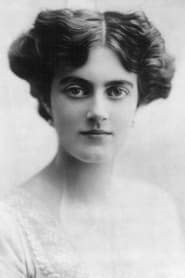
Clementine Churchill
Actor
Born: April 1, 1885 in Mayfair, London, England Died: December 12, 1977 Active: 1943-1943 Birth Name: Clementine Ogilvy Hozier
Films
1 film
About Clementine Churchill
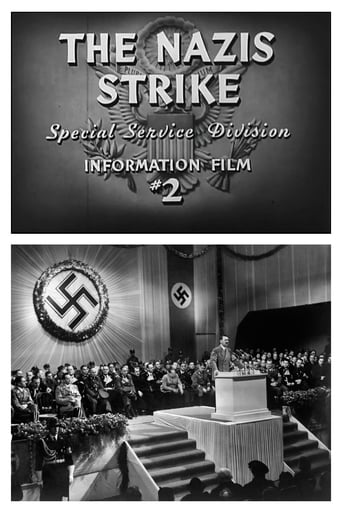
Clementine Ogilvy Spencer-Churchill, Baroness Spencer-Churchill, was born Clementine Ogilvy Hozier and became one of Britain's most influential First Ladies through her marriage to Winston Churchill. Though not a professional actress, she appeared in archival footage in the 1943 documentary 'Why We Fight: The Nazis Strike' as part of the wartime propaganda effort. Throughout her life, she was known for her intelligence, political acumen, and unwavering support of her husband during his most challenging moments, including World War II. She served as a Red Cross worker during WWI and later established the Aid to Russia Fund to support the Soviet Union after their invasion by Germany. Her diplomatic skills and social grace made her an invaluable asset to Churchill's political career, and she often advised him on important matters of state and public relations. Beyond her role as a political spouse, she was a devoted mother to five children and maintained her own identity as a strong, independent woman who navigated the complexities of British high society and international politics with remarkable skill.
The Craft
On Screen
Not applicable - appeared only in archival footage
Milestones
- Appeared in archival footage in 'Why We Fight: The Nazis Strike' (1943)
- Established the Aid to Russia Fund during WWII
- Served as President of the Young Women's Christian Association
- Awarded the Order of the Garter in 1946
- Created Baroness Spencer-Churchill in 1946
Best Known For
Iconic Roles
Must-See Films
Accolades
Won
- Order of the Garter (1946)
- Dame Grand Cross of the Order of the British Empire (1946)
- Life Peerage as Baroness Spencer-Churchill (1946)
Special Recognition
- Multiple honorary degrees from universities
- Statue unveiled in Parliament Square (2016)
- Royal Red Cross (First Class) for wartime service
Why They Matter
Impact on Culture
Clementine Churchill's impact on British society and international politics extended far beyond traditional First Lady roles. She redefined the position of prime ministerial spouse through her active involvement in wartime efforts, charitable work, and political advisory capacity. Her establishment of the Aid to Russia Fund in 1941 demonstrated her understanding of international diplomacy and her ability to mobilize public support for crucial alliances. During the Blitz, she visited bomb sites and evacuation centers, providing comfort and support to civilians while boosting morale. Her intelligence and social grace helped smooth diplomatic relations with international leaders, and she often hosted crucial political gatherings at 10 Downing Street. Her legacy includes the active, engaged role of political spouses in public life and demonstrating how women could exert significant influence on political decision-making even without formal office.
Lasting Legacy
Clementine Churchill's lasting legacy is that of a woman who shaped history from behind the scenes while maintaining her own identity and influence. She is remembered as the steadfast partner who supported Winston Churchill through his wilderness years and greatest triumphs, often providing the crucial counsel that kept him going during Britain's darkest hours. Her charitable work, particularly during wartime, established new standards for how public figures could mobilize citizens for important causes. The 2016 unveiling of her statue in Parliament Square alongside her husband and other political leaders recognized her independent contributions to British history. Her life story continues to inspire discussions about the role of women in politics, the importance of partnership in leadership, and how individuals can effect change through both public and private influence.
Who They Inspired
Clementine Churchill influenced subsequent generations of political spouses by demonstrating how the role could be used for substantive public service rather than merely ceremonial functions. Her ability to balance family life with public duties set a template for future First Ladies and political partners. Her wartime charitable work inspired similar efforts by political spouses in later conflicts, and her diplomatic skills showed how informal channels could be crucial in international relations. Many biographers and historians have noted that without her influence and support, Winston Churchill's leadership during WWII might have been less effective, suggesting her indirect but profound impact on world history. Her example continues to be studied in leadership and political science courses as a model of supportive partnership combined with independent initiative.
Off Screen
Clementine married Winston Churchill in 1908, beginning. She was known for her strong-willed nature and often provided crucial counsel to her husband, famously telling him to 'be good' during his most difficult periods. The couple had five children: Diana, Randolph, Sarah, Marigold (who died in infancy), and Mary. Despite the demands of public life, she maintained a close relationship with her children and was known for her warmth and intelligence. Her marriage endured through political triumphs and disasters, wartime pressures, and personal tragedies, with their partnership often cited as a model of political and personal support.
Education
Educated at home by governesses, later attended Berkhamsted School for Girls and the Sorbonne in Paris
Family
- Winston Churchill (1908-1965, his death)
Did You Know?
- She was a distant cousin of her husband Winston Churchill through shared ancestry
- She initially rejected Winston's first marriage proposal in 1908
- During WWII, she personally inspected and organized air raid shelters
- She was a talented painter and often painted with her husband
- She survived a serious bout of appendicitis while pregnant with her first child
- Her mother Lady Blanche Hozier may have been the daughter of the Earl of Airlie, making her royalty
- She was known for her sharp wit and once told Churchill 'You are drunk' to which he replied 'My dear, you are ugly, but tomorrow I shall be sober'
- She established the Red Cross Aid to Russia Fund which raised millions for Soviet war relief
- She was the first woman to be made a Lady of the Garter in her own right
- She lived to be 92 years old, outliving her husband by 12 years
In Their Own Words
Be good, sweet maid, and let who will be clever
I think I am one of the few people who have seen Winston at his best and at his worst
My husband is the most difficult man in the world to live with, but I wouldn't change him for anyone
During the war, I learned that courage is not the absence of fear, but the triumph over it
Frequently Asked Questions
Who was Clementine Churchill?
Clementine Churchill was the wife of British Prime Minister Winston Churchill and. She was known for her intelligence, political acumen, and wartime charitable work, appearing in archival footage in the 1943 documentary 'Why We Fight: The Nazis Strike'.
What films is Clementine Churchill best known for?
Titles linked here include Why We Fight: The Nazis Strike (1943).
When was Clementine Churchill born and when did she die?
Born April 1, 1885; died December 12, 1977.
What awards did Clementine Churchill win?
Clementine Churchill received numerous honors including being made a Dame Grand Cross of the Order of the British Empire, receiving the Order of the Garter in 1946, and being created Baroness Spencer-Churchill as a life peer. She also received the Royal Red Cross for her wartime service.
What was Clementine Churchill's acting style?
Clementine Churchill was not a professional actress and her appearance in 'Why We Fight: The Nazis Strike' was through archival footage rather than a performance. Her public persona was characterized by dignity, intelligence, and grace rather than theatrical acting.