David Edelsten
Actor
- Active
- 1921-1921
Films 1
About David Edelsten
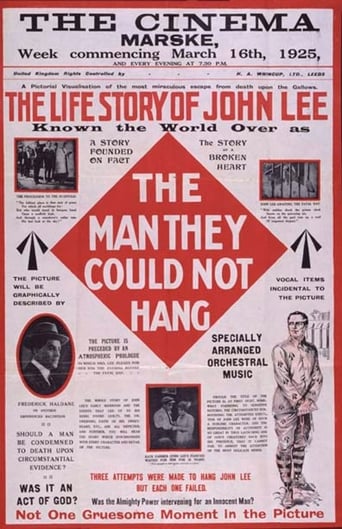
David Edelsten is a very obscure silent-era film performer whose surviving screen credit places him in the 1921 British historical melodrama The Life Story of John Lee, or The Man They Could Not Hang. Because he appears in the record of a film from the early silent period and does not have a substantial surviving biographical footprint, his life and broader career are poorly documented in modern reference sources. He is known primarily for this single credited acting association, and no reliable evidence has surfaced in standard film histories to establish a larger body of work, stage background, or later screen career. Like many early cinema players whose careers were brief or only partially recorded, he may have worked in regional theater, repertory productions, or other film projects that have not survived in accessible archives. The absence of extensive documentation does not necessarily mean he was insignificant in his own time; rather, it reflects the uneven survival of records from the silent era, especially for supporting or non-star performers. At present, his most secure place in film history is as a named participant in one of the era’s memorable true-crime melodramas. Beyond that credit, verified details about his life, training, and later years are not presently available from reliable public sources.
More about David Edelsten
In film history
David Edelsten’s cultural impact is difficult to measure directly because his surviving public record is extremely limited, but his presence in an early 1921 silent film connects him to the formative years of British cinema. Films like The Life Story of John Lee, or The Man They Could Not Hang were part of a broader tradition of dramatizing sensational real-life cases for popular audiences, and even small credited players contributed to the atmosphere and credibility of such productions. In that sense, his participation helped populate and give texture to the early screen culture that shaped audience expectations for historical melodrama, crime stories, and realist reenactment. He also stands as an example of the many working actors whose names survive in cast lists even when the rest of their careers have been lost to time. This makes him historically valuable as evidence of the breadth and depth of silent-era performance culture. His name contributes to the archival mosaic through which scholars reconstruct the personnel of early cinema.
Later reputation
Edelsten’s legacy lies primarily in preservation and documentation rather than stardom. He is part of the long tail of silent-film personnel whose names continue to matter because they help establish the full cast and production context of early films. For historians, such figures are important precisely because they illuminate the ecosystem of cinema beyond the marquee names: supporting performers, bit players, and little-documented actors who made early productions possible. His connection to The Life Story of John Lee, or The Man They Could Not Hang gives him a permanent but modest place in film history, especially for researchers interested in British silent crime and melodrama. Since no broader body of work is securely attributable to him, his legacy is one of archival presence rather than celebrity. He remains an example of how fragile and fragmentary early film history can be.
Influence
There is no reliable evidence that David Edelsten exerted a documented influence on later actors or filmmakers in the sense usually associated with major stars or directors. However, by participating in an early silent feature, he contributed to the craft traditions of the period, in which gesture, posture, and expressive visual storytelling were central. Performers like him collectively shaped the conventions of silent-era ensemble acting, even if their individual contributions are not described in surviving criticism. His influence is therefore indirect and historical: he is part of the workforce of early screen acting from which later film performance styles evolved. In film-historical terms, his significance is less about personal fame than about representing a generation of early practitioners whose work underpinned the medium’s development.
Off screen
No reliable, publicly verified biographical record has been located that details David Edelsten’s personal life, family background, marriages, or later years. Standard classic-cinema reference sources do not currently provide enough information to reconstruct a fuller private biography with confidence. As a result, any attempt to name relatives, residences, occupations outside film, or personal milestones would risk speculation. What can be said safely is that he belongs to the category of early screen performers whose professional identity survives more clearly than their personal history. Future archival discoveries, trade-paper references, or census and theatre records may yet clarify his background.
Credits
- Credited screen appearance in the 1921 silent film The Life Story of John Lee, or The Man They Could Not Hang
- Participation in an early British silent production centered on a famous real-life miscarriage-of-justice case
- Documented presence in the surviving film record despite otherwise sparse biographical information
- Association with a historically interesting melodrama from the silent era
Roles
- Role not reliably documented in surviving sources for The Life Story of John Lee, or The Man They Could Not Hang
Notes
- David Edelsten is chiefly documented through a single surviving film credit rather than a broad acting career.
- His known film, The Life Story of John Lee, or The Man They Could Not Hang, is based on a famous miscarriage-of-justice story that had strong public appeal.
- He belongs to the silent era, when many performers were not extensively credited in surviving records.
- No authoritative public source currently provides a confirmed birth date, death date, or birthplace for him.
- He is an example of how many early cinema actors remain known only through cast lists and archival film references.
- Because his record is so sparse, he is easily confused with other individuals of similar name spellings, making careful identification important.
- His surviving screen presence is valuable to historians studying the personnel of early British productions.
- The film in which he appeared is a useful window into the true-crime melodrama cycle of the silent period.
Questions
Who was David Edelsten?
David Edelsten was a silent-era film actor known from the 1921 production The Life Story of John Lee, or The Man They Could Not Hang. Surviving sources provide very limited biographical information, so he is best understood as an obscure but documented participant in early British cinema.
What films is David Edelsten best known for?
He is primarily known for The Life Story of John Lee, or The Man They Could Not Hang (1921). No other film credits are securely established in the surviving record currently available.
When was David Edelsten born and when did he die?
At present, no reliable public source confirms David Edelsten’s birth date, death date, or birthplace. His documented record is limited enough that these details remain unavailable rather than merely unreported.
What awards did David Edelsten win?
No awards or nominations are currently documented for David Edelsten. He appears to have been a working silent-era performer whose historical importance is archival rather than award-based.
What was David Edelsten's acting style?
No contemporary reviews or detailed performance descriptions have been securely located for him. Since he acted in the silent era, his work would have relied on the expressive physical style typical of nonverbal performance, but any more specific characterization would be speculative.
What is David Edelsten's legacy in film history?
His legacy is mainly as a documented name in the cast record of an early silent film. He represents the many lesser-known performers whose contributions helped build early cinema, even if their personal histories were not fully preserved.