No Poster
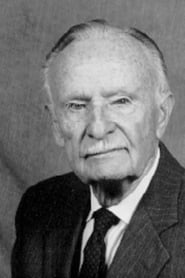
Ellis R. Dungan
Director
Born: May 11, 1909 in Barton, Ohio, USA Died: December 1, 2001 Active: 1935-1958 (in Indian cinema) Birth Name: Ellis Roderick Dungan
Films
1 film
About Ellis R. Dungan
Ellis Roderick Dungan — American film director who made significant contributions to Indian cinema, particularly Tamil films, during the 1930s, 1940s, and 1950s. Born in Ohio in 1909, Dungan studied cinematography at the University of Southern California before moving to India in 1935, where he became the first American to direct films in the Indian film industry. Over his career spanning more than two decades in India, he directed over 15 Tamil films, working with actors like M.G. Ramachandran, Sivaji Ganesan, and P. U. Chinnappa. Dungan was instrumental in introducing Western filmmaking techniques, including sophisticated camera movements, lighting techniques, and narrative structures to Tamil cinema while maintaining cultural authenticity. His films often adapted classical literary works and mythological stories, bringing them to life with technical innovation and artistic vision. After returning to the United States in the late 1950s, he worked in television production and later became a film professor, sharing his unique cross-cultural filmmaking experiences with new generations of filmmakers.
The Craft
Behind the Camera
Dungan's directing style was characterized by technical innovation and a blend of Western cinematic techniques with Indian storytelling traditions. He pioneered sophisticated camera movements, dramatic lighting effects, and complex narrative structures in Tamil cinema. His approach emphasized visual storytelling, using close-ups and dynamic camera angles to enhance emotional impact. Dungan was known for his meticulous attention to detail, particularly in set design and costume authenticity. He often adapted literary and mythological sources, bringing classical stories to life with contemporary cinematic techniques while respecting cultural sensitivities and traditions.
Milestones
- First American to direct films in India
- Directed over 15 Tamil films
- Introduced Western cinematography techniques to Indian cinema
- Worked with legendary actors M.G. Ramachandran and Sivaji Ganesan
- Directed the critically acclaimed 'Thyagabhoomi' (1939)
- Mentored future Indian filmmakers
- Brought technical innovation to Tamil film production
Best Known For
Must-See Films
Accolades
Won
- Kalaimamani Award from Tamil Nadu Government (posthumously recognized)
Nominated
- National Film Award consideration for 'Thyagabhoomi' (1939)
Special Recognition
- American filmmaker in Indian cinema
- Recognized for technical innovations in Tamil film industry
- Honored by film societies for cross-cultural contributions
Working Relationships
Worked Often With
Studios
Why They Matter
Impact on Culture
Ellis R. Dungan had a profound cultural impact on Indian cinema by bridging Western technical expertise with Eastern storytelling traditions. His work professionalized Tamil film production, introducing industry standards that elevated the quality and sophistication of regional cinema. Dungan's films often addressed social issues and progressive themes, contributing to the development of socially conscious cinema in India. His adaptation of classical literature and mythology helped preserve and popularize cultural heritage while making it accessible to contemporary audiences. The technical innovations he introduced, including advanced lighting techniques and camera work, influenced generations of Indian filmmakers and helped establish Tamil cinema as a major force in Indian film culture.
Lasting Legacy
Ellis R. Dungan's legacy endures as proof of the power of cross-cultural artistic collaboration. He is remembered as a figure who brought international standards to regional Indian cinema while respecting and preserving local cultural identity. His films continue to be studied for their technical excellence and artistic merit. Many of the actors he worked with, particularly M.G. Ramachandran, went on to become cultural icons in Tamil Nadu. Dungan's influence can be seen in the continued evolution of Tamil cinema, which maintains high technical standards while addressing contemporary social issues. His story serves as an inspiration for filmmakers working across cultural boundaries, demonstrating how artistic vision can transcend national and cultural barriers.
Who They Inspired
Dungan influenced Indian cinema by introducing Western cinematic techniques while adapting them to local sensibilities. His work inspired future generations of Indian filmmakers to pursue technical excellence and innovative storytelling. Many cinematographers and directors who worked with him went on to become major figures in Tamil cinema. His emphasis on production values and technical professionalism helped raise industry standards across Indian regional cinema. Dungan's success as a foreign director working in India also paved the way for other international collaborations in Indian film. His approach to adapting literary works for the screen influenced how classical stories were treated in Indian cinema, balancing authenticity with cinematic appeal.
Off Screen
Ellis R. Dungan married an Indian woman, Leela, during his time in India, demonstrating his deep connection to the culture he worked in. The couple had one daughter together. After returning to the United States in the late 1950s, Dungan settled in Ohio and later Pennsylvania, where he continued to work in media and education. He maintained lifelong connections with the Indian film community and occasionally returned to visit. Dungan was known for his humble personality and dedication to his craft, often working long hours to achieve his artistic vision. His cross-cultural marriage and deep immersion in Indian society made him a unique bridge between Eastern and Western cinematic traditions.
Education
University of Southern California - studied cinematography and film production
Family
- Leela Dungan (married during his India years)
Did You Know?
- First American to direct films in the Indian film industry
- Spent over 20 years working in Tamil cinema
- Learned Tamil to better communicate with actors and crew
- His film 'Thyagabhoomi' (1939) was banned by British colonial authorities for its nationalist themes
- Worked with M.G. Ramachandran before he became a political icon
- Introduced the technique of shooting with multiple cameras in Tamil cinema
- His film 'Meera' (1945) featured legendary singer M. S. Subbulakshmi
- Returned to America in 1958 but maintained connections with Indian cinema
- Taught film courses at Ohio University after returning to the US
- His autobiography 'A Director's Journey' provides insights into early Indian cinema
In Their Own Words
I came to India for six months and stayed for twenty years
Making films in India taught me more about cinema than Hollywood ever could
The camera doesn't know nationality, it only knows emotion
I had to learn not just the language, but the soul of Tamil culture to make meaningful films
Technical excellence without cultural understanding is meaningless in cinema
Frequently Asked Questions
Who was Ellis R. Dungan?
American on YTB.my. He was the first American to direct films in India and directed over 15 Tamil films, working with legendary actors and introducing Western filmmaking techniques to Indian cinema.
What films is Ellis R. Dungan best known for?
Titles linked here include Sathi Leelavathi (1936), Ambikapathy (1937).
When was Ellis R. Dungan born and when did he die?
Born May 11, 1909; died December 1, 2001.
What awards did Ellis R. Dungan win?
Dungan received the Kalaimamani Award from the Tamil Nadu government posthumously for his contributions to Tamil cinema. He was also recognized by film societies for his work in bridging Western and Eastern cinematic traditions.
What was Ellis R. Dungan's directing style?
Dungan's directing style blended Western technical sophistication with Indian cultural sensibilities. He introduced advanced camera techniques, dramatic lighting, and complex narrative structures to Tamil cinema while maintaining respect for local traditions and storytelling methods.