George Abbott
Director
Born: June 25, 1887 in Forestville, New York, USA Died: January 31, 1995 Active: 1912-1994 Birth Name: George Francis Abbott
Films
2 films
About George Abbott
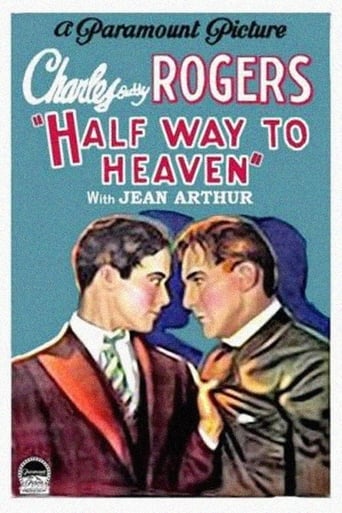
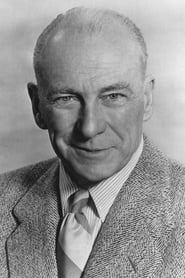
George Francis Abbott — American theater director, playwright, screenwriter, and film director whose remarkable over eight decades. Born in 1887, Abbott began as an actor on Broadway in the early 1910s before transitioning to writing and directing, where he would leave an indelible mark on American theater. While primarily celebrated as 'Mr. Broadway' for his revolutionary contributions to musical theater, he also ventured into filmmaking during the transition from silent films to talkies in the late 1920s. Abbott directed several films including 'Half Way to Heaven' (1929), 'Why Leave Home?' (1929), and 'The Game of Love' (1929), bringing his theatrical sensibility to the emerging medium of sound cinema. His theater career reached unprecedented heights with productions like 'On Your Toes,' 'The Boys from Syracuse,' 'Call Me Madam,' and 'Damn Yankees,' establishing him as figures in Broadway history. Abbott continued working well into his 90s, directing his final Broadway production 'Broadway' in 1986 at age 99, cementing his legacy as prolific and enduring figures in American theatrical history.
The Craft
Behind the Camera
Abbott was renowned for his fast-paced, energetic, and highly efficient directing style that emphasized crisp timing, dynamic movement, and clear storytelling. His approach was characterized by precision staging, rapid scene changes, and a focus on entertainment value above all else. In theater, he pioneered techniques for integrating dance seamlessly into narrative storytelling, while in film, he brought his theatrical sensibility to the new medium of talkies. Abbott was known for his no-nonsense approach, demanding perfection from performers while maintaining a focus on pacing and audience engagement. His style emphasized clarity, momentum, and the seamless integration of all theatrical elements into a cohesive, entertaining whole.
Milestones
- Broadway debut as actor in 'The Misleading Lady' (1913)
- First play produced on Broadway 'The Fall Guy' (1925)
- Film directing debut with 'Half Way to Heaven' (1929)
- Revolutionized musical theater with 'On Your Toes' (1936)
- Directed and wrote 'The Boys from Syracuse' (1938)
- Won Tony for 'Damn Yankees' (1956)
- Inducted into American Theatre Hall of Fame (1975)
- Directed final Broadway production at age 99 (1986)
Best Known For
Must-See Films
Accolades
Won
- Tony Award for Best Director (Damn Yankees, 1956)
- Tony Award for Best Director (Fiorello!, 1960)
- Tony Award for Best Musical (Fiorello!, 1960)
- Tony Award for Best Musical (A Funny Thing Happened on the Way to the Forum, 1963)
- Special Tony Award for Lifetime Achievement (1963)
- New York Drama Critics' Circle Award (The Pajama Game, 1954)
- New York Drama Critics' Circle Award (Damn Yankees, 1955)
Nominated
- Tony Award for Best Director (The Pajama Game, 1955)
- Tony Award for Best Director (A Funny Thing Happened on the Way to the Forum, 1963)
- Tony Award for Best Play (All in Good Time, 1965)
Special Recognition
- American Theatre Hall of Fame (1975)
- Hollywood Walk of Fame Star
- Kennedy Center Honors (1982)
- National Medal of Arts (1990)
- Drama League Award for Achievement (1975)
Working Relationships
Worked Often With
Studios
Why They Matter
Impact on Culture
George Abbott fundamentally transformed American musical theater, revolutionizing the way stories were told on stage through his innovative integration of book, music, and dance. His work in the 1930s and 1940s established the template for the modern Broadway musical, emphasizing narrative coherence and seamless transitions between scenes. Abbott's influence extended beyond Broadway to Hollywood, where he helped bridge the gap between theatrical and cinematic storytelling during the crucial transition to sound films. His directing philosophy, which prioritized entertainment value and audience engagement, helped shape American popular culture for generations. Abbott's productions launched the careers of countless performers and creators, while his techniques for staging and choreography became industry standards that continue to influence theatrical productions today.
Lasting Legacy
George Abbott's legacy as 'Mr. Broadway' remains unparalleled in American theater history, with his innovations continuing to shape contemporary musical theater. His approach to integrating dance into narrative storytelling revolutionized the art form, while his emphasis on pacing and entertainment established enduring principles for stage direction. Abbott's productions continue to be revived and studied, with shows like 'Damn Yankees,' 'The Pajama Game,' and 'A Funny Thing Happened on the Way to the Forum' remaining staples of theatrical repertoire. His remarkable longevity, working actively into his 90s, set a standard for artistic vitality and dedication. Abbott's mentorship of future theatrical legends like Jerome Robbins and Bob Fosse created a lasting dynasty of theatrical talent that continues to influence Broadway today. His life and career show the power of artistic innovation and the enduring appeal of live theater.
Who They Inspired
Abbott's directing techniques and theatrical philosophy profoundly influenced generations of theater and film creators. His emphasis on precise timing and energetic pacing became hallmarks of American musical theater, while his integration of choreography into narrative storytelling paved the way for the dance-driven musicals of later decades. Directors like Harold Prince and Michael Bennett built upon Abbott's innovations, while choreographers such as Jerome Robbins and Bob Fosse expanded his approach to movement in theater. In film, his early work in talkies influenced the transition from theatrical to cinematic storytelling techniques. Abbott's no-nonsense approach to directing and his focus on entertainment value influenced the commercial theater model that persists today. His ability to discover and nurture talent helped launch the careers of numerous performers who became stars in their own right, creating a ripple effect of influence throughout American entertainment.
Off Screen
George Abbott had a rich personal life that spanned over a century, including three marriages and two children. His first marriage was to actress Jane Keen in 1911, which lasted until her death in 1930. He married actress Mary Sinclair in 1946, but they divorced in 1952. In 1983, at the age of 96, he married Joy Valderrama, who was 47 years his junior and remained with him until his death at age 107. Abbott was known for his incredible work ethic and vitality, continuing to work into his 90s and even directing his final Broadway production at age 99. He was also an avid tennis player and maintained his physical and mental acuity well into his centenarian years.
Education
University of Rochester (graduated 1911)
Family
- Jane Keen (1911-1930)
- Mary Sinclair (1946-1952)
- Joy Valderrama (1983-1995)
Did You Know?
- Lived to be 107 years old, one of the longest-lived major figures in entertainment history
- Active years covered 82 years from 1912 to 1994
- Directed his final Broadway production at age 99
- Known as 'Mr. Broadway' for his enormous influence on American theater
- Won his first Tony Award at age 69
- Continued playing tennis regularly into his 90s
- Wrote or produced over 120 Broadway productions
- Helped transition many silent film actors to talkies
- Was a licensed pilot who flew his own plane
- Received the National Medal of Arts at age 103
- Never retired from show business, working until his death
In Their Own Words
In the theater, the important thing is not the play but the performance.
I've always believed that the theater should be entertaining first and everything else second.
The secret to a long career is simple: keep working and never stop learning.
You can't be a director unless you're a tyrant. You have to be a benevolent tyrant.
The theater is the only branch of art much cared for by people of wealth.
I don't want to be remembered as the oldest director. I want to be remembered as a good director.
Timing is everything in comedy, in drama, in life.
If you're not having fun, you're not doing it right.
Frequently Asked Questions
Who was George Abbott?
Legendary American theater on YTB.my. Broadway' for his enormous influence on American musical theater. His active years covered over 80 years, during which he directed more than 120 Broadway productions and several films, revolutionizing the art form with his innovative techniques and emphasis on entertainment value.
What films is George Abbott best known for?
Titles linked here include Half Way to Heaven (1929), Why Leave Home? (1929).
When was George Abbott born and when did he die?
Born June 25, 1887; died January 31, 1995.
What awards did George Abbott win?
Abbott won numerous Tony Awards including Best Director for 'Damn Yankees' (1956) and 'Fiorello!' (1960), Best Musical for 'Fiorello!' (1960) and 'A Funny Thing Happened on the Way to the Forum' (1963), and a Special Tony Award for Lifetime Achievement (1963). He also received the National Medal of Arts, Kennedy Center Honors, and was inducted into the American Theatre Hall of Fame.
What was George Abbott's directing style?
Abbott's directing style was characterized by fast pacing, precise timing, and an emphasis on entertainment value. He was known for his efficient, no-nonsense approach, demanding perfection while maintaining focus on audience engagement. His innovations included seamless integration of dance into narrative storytelling and dynamic staging techniques that became industry standards.