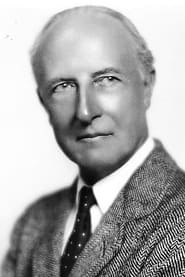
Arnold Lucy
Actor
Born: August 8, 1865 in London, England Died: December 15, 1930 Active: 1885-1925 Birth Name: Arnold Lucy Holroyd
Films
2 films
About Arnold Lucy
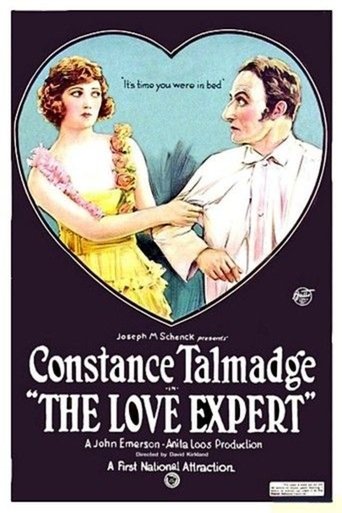
British character actor who successfully transitioned from the Victorian stage to silent cinema in the early 20th century. Born in London in 1865, Lucy began his theatrical career in the 1880s, establishing himself as a reliable supporting actor in numerous West End productions. His stage experience provided him with the dramatic foundation that would later serve him well in silent films, where expressive acting was paramount. Lucy made his film debut in the 1910s as the motion picture industry was gaining momentum, appearing in several British productions before catching the attention of American studios. His most notable film appearance was in the 1920 comedy 'The Love Expert,' where he showcased his ability to blend theatrical gravitas with the more intimate style required for cinema. Despite his relatively brief film career, Lucy was respected for his professionalism and his ability to elevate any production with his presence. He continued to divide his time between stage and screen until his retirement in the mid-1920s, after which he returned to England. Lucy's career exemplifies the transition many experienced actors made from the traditional theater to the emerging medium of cinema during this pivotal period in entertainment history.
The Craft
On Screen
Lucy's acting style was rooted in the classical British theatrical tradition, characterized by precise diction, dignified bearing, and expressive gestures that translated well to silent cinema. He possessed a commanding presence that made him particularly effective in authoritative roles such as doctors, judges, and aristocrats. His stage training allowed him to convey complex emotions through subtle facial expressions and body language, essential skills for silent film performance where dialogue was absent. Lucy was known for his reliability and consistency, bringing depth and authenticity to even the smallest supporting roles.
Milestones
- West End stage debut in the late 1880s
- Transition from stage to silent film in the 1910s
- Notable role in 'The Love Expert' (1920)
- Successful career as a character actor in both mediums
- Recognition for supporting roles in dramatic productions
Best Known For
Iconic Roles
Must-See Films
Working Relationships
Worked Often With
Studios
Why They Matter
Impact on Culture
Arnold Lucy represents the important bridge between Victorian theater and early cinema, embodying the professional evolution many actors experienced during this transformative period. His successful adaptation to the new medium of film demonstrated the transferability of classical acting techniques to cinema, helping legitimize film acting as a serious artistic endeavor. Lucy's career trajectory illustrates how experienced stage actors brought credibility and artistic depth to the fledgling film industry, contributing to cinema's evolution from novelty to respected art form. His work in both British and American productions helped establish cross-Atlantic artistic exchanges that would become increasingly important as the film industry developed.
Lasting Legacy
While not a major star by modern standards, Arnold Lucy's legacy lies in his role as a pioneer who helped establish the foundation for professional film acting. His successful transition from the legitimate stage to cinema demonstrated that classical training could enhance rather than hinder screen performance. Lucy and actors like him paved the way for future generations of performers by proving that film acting required its own distinct techniques while still benefiting from theatrical foundations. His career serves as an important example of the artistic adaptation required during one of entertainment's most significant transitional periods.
Who They Inspired
Lucy influenced younger actors through his example of professional adaptability and dedication to craft. His ability to maintain dignity and artistic integrity while embracing new technology served as a model for performers facing similar transitions in later decades. The techniques he developed for conveying emotion without dialogue influenced the evolution of screen acting, particularly in the use of facial expression and body language. His work helped establish that character actors could have substantial careers in cinema, not just leading performers.
Off Screen
Arnold Lucy led a relatively private life away from the spotlight, maintaining the professional discretion common among actors of his generation. He married fellow actress Ellen O'Malley in 1892, and their union lasted until her death in 1918. The couple had two children, one of whom followed briefly in their parents' theatrical footsteps before pursuing a different career. Lucy was known among his colleagues as a dedicated family man who maintained strong ties to his British heritage even while working in American films. After retiring from acting, he spent his remaining years in England, occasionally giving interviews about the early days of cinema and the transition from stage to screen.
Education
Trained in classical theater through apprenticeship system common in Victorian England
Family
- Ellen O'Malley (1892-1918)
Did You Know?
- His real surname was Holroyd, but he used Lucy as his stage name throughout his career
- He began his stage career as a teenager in the 1880s
- Lucy was over 50 years old when he appeared in 'The Love Expert'
- He was part of the generation of actors who witnessed the birth of cinema
- Unlike many silent film actors, he successfully retired rather than struggling with the transition to sound
- His stage experience made him particularly valuable in early films where acting techniques were still being developed
- He maintained his British accent and mannerisms even in American productions
- Lucy was known for his meticulous preparation for even minor roles
In Their Own Words
The stage teaches you to be heard in the back row; the camera teaches you to be felt in the front row.
Transitioning from stage to film is not about learning new tricks, but about unlearning old habits that don't serve the new medium.
Frequently Asked Questions
Who was Arnold Lucy?
British character with credits in this catalog. He is best remembered for his role in 'The Love Expert' (1920) and for representing the generation of classically trained actors who helped establish film acting as a legitimate art form.
What films is Arnold Lucy best known for?
Titles linked here include The Love Expert (1920), Various British silent films of the 1910s.
When was Arnold Lucy born and when did he die?
Born August 8, 1865; died December 15, 1930.
What awards did Arnold Lucy win?
Arnold Lucy did not receive any major formal awards during his career, as many of the current film honors and institutions had not yet been established during his active years. His recognition came primarily from critical acclaim and the respect of his peers in both theater and early cinema.
What was Arnold Lucy's acting style?
Lucy's acting style was rooted in classical British theatrical tradition, characterized by precise diction, dignified bearing, and expressive gestures. He successfully adapted these techniques for silent cinema, using subtle facial expressions and body language to convey emotions effectively without dialogue.