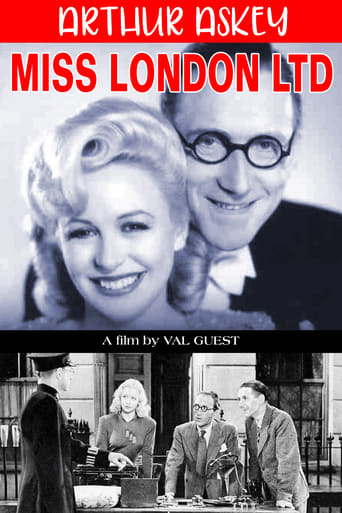
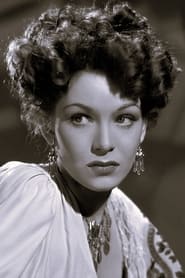
Jean Kent
Actor
Born: June 21, 1921 in Brixton, London, England Died: November 30, 2013 Active: 1935-1960s Birth Name: Joan Mildred Summerfield
Films
1 film
About Jean Kent
Prominent British actress who rose to fame during the Golden Age of British cinema. Born Joan Mildred Summerfield, she began her career as a dancer with the Ballet Rambert before transitioning to acting. She signed with Gainsborough Pictures in the 1940s and became one of their leading actresses, often appearing in melodramas and costume dramas. Kent was particularly popular in the Gainsborough melodramas alongside actors like Stewart Granger and James Mason, becoming one of Britain's highest-paid actresses by the late 1940s. She continued acting through the 1950s and made occasional television appearances in later decades. Kent's over three decades, during which she appeared in more than 40 films. She was known for her versatility, playing everything from femme fatales to sympathetic leading ladies. Kent retired from acting in the 1960s but remained a beloved figure in British cinema history until her death in 2013 at age 92.
The Craft
On Screen
Jean Kent was known for her emotional intensity and versatility, excelling in both melodramatic and comic roles. She had a particular talent for portraying complex female characters, often playing femme fatales with underlying vulnerability. Her dancing background gave her a graceful physical presence, while her training in stage acting provided her with strong vocal projection. Kent was particularly effective in period dramas, where she could combine glamour with psychological depth. She had a natural ability to convey conflicting emotions simultaneously, making her characters feel multi-dimensional and relatable.
Milestones
- Early role in 'Miss London Ltd.' (1943)
- Breakthrough with Gainsborough Pictures in the 1940s
- Became one of Britain's highest-paid actresses by 1949
- Starred in the successful Gainsborough melodramas
- Received Royal Television Society award in 1951
- Made successful transition to television in later career
Best Known For
Iconic Roles
Must-See Films
Accolades
Won
- Royal Television Society Award (1951)
Nominated
- BAFTA Film Award nomination for Best British Actress for 'The Browning Version' (1951)
Special Recognition
- British Film Institute Fellowship (2005)
Working Relationships
Worked Often With
Studios
Why They Matter
Impact on Culture
Jean Kent represented the archetype of the British film star during the Golden Age of British cinema, embodying both glamour and relatability. Her work in the Gainsborough melodramas helped define a uniquely British genre that competed with Hollywood productions during WWII and post-war years. These films, with their themes of passion, betrayal, and social constraint, resonated with British audiences dealing with wartime austerity and post-war reconstruction. Kent's characters often challenged traditional gender roles, presenting strong, independent women who made their own choices, even when those choices led to tragedy. Her success demonstrated that British films could create their own stars who could compete with Hollywood icons.
Lasting Legacy
Jean Kent's legacy lies in her contribution to establishing British cinema as a distinct cultural force capable of producing both popular entertainment and artistic merit. The Gainsborough melodramas she starred in are now recognized as important cultural artifacts that reflected and shaped British attitudes during a critical period in history. Her performances continue to be studied for their technical skill and emotional authenticity. Kent's career trajectory from dancer to major film star to television performer also illustrates the evolution of the entertainment industry in Britain during the 20th century. She remains a beloved figure among classic film enthusiasts and is frequently cited as an example of British cinema's golden era.
Who They Inspired
Jean Kent influenced subsequent generations of British actresses through her demonstrated versatility and professionalism. Her ability to move between genres and mediums set a precedent for the multi-talented performers who would follow. Kent's success in melodrama helped establish emotional authenticity as a valued trait in British acting, influencing the more naturalistic style that would become prominent in British cinema and television. Her work with directors like Leslie Arliss and Anthony Asquith helped create a body of work that young actors could study as examples of effective screen performance. Many British actresses who rose to prominence in the 1950s and 1960s cited Kent as an inspiration for her combination of glamour and acting ability.
Off Screen
Jean Kent was known for her relatively private personal life, especially compared to many of her contemporaries. She married Swedish actor Josef Ramart in 1946, and their marriage lasted until his death in 1971. The couple had no children. After retiring from acting, Kent lived a quiet life in West Sussex, occasionally appearing at film retrospectives and classic cinema events. She was known for her wit and charm in interviews, often speaking fondly of her time at Gainsborough Pictures. Kent maintained friendships with many of her co-stars from the 1940s and was respected for her professionalism and lack of diva-like behavior throughout her career.
Education
Trained as a dancer with Ballet Rambert, attended acting classes at the Royal Academy of Dramatic Art (RADA)
Family
- Josef Ramart (1946-1971)
Did You Know?
- Began her career as a dancer with the prestigious Ballet Rambert at age 16
- Her stage name 'Jean Kent' was suggested by her mother, who liked the sound of it
- Was one of the highest-paid actresses in Britain by 1949, earning £30,000 per year
- Turned down the lead role in 'The Blue Lamp' (1950), which went to Pat Phoenix
- Made her film debut in an uncredited role in 'Laughing with Hitler' (1940)
- Was a skilled horse rider and performed her own stunts in several westerns
- Appeared in the first ever British television drama broadcast in color
- Was offered a Hollywood contract in the late 1940s but declined, preferring to stay in Britain
- Her performance in 'The Wicked Lady' was so popular that it caused a fashion trend in 1940s Britain
- Was a lifelong friend of fellow actress Patricia Roc, with whom she often co-starred
In Their Own Words
I never thought of myself as a star. I was just an actress who was lucky enough to get good parts.
The Gainsborough days were wonderful. We worked hard, but we had fun too. We were like a big family.
I think the secret to a long career is never taking yourself too seriously and always being professional.
Melodrama gets a bad name, but when it's done well, it's the most honest form of acting there is.
I was never a glamour girl in the Hollywood sense. I was always more of a girl next door type.
Frequently Asked Questions
Who was Jean Kent?
British actress who rose to fame during the 1940s as one of Gainsborough Pictures' leading ladies. Born Joan Mildred Summerfield, she appeared in over 40 films and was particularly known for her roles in melodramas and costume dramas. She was one of Britain's highest-paid actresses during the Golden Age of British cinema.
What films is Jean Kent best known for?
Titles linked here include The Man in Grey (1943), The Wicked Lady (1945).
When was Jean Kent born and when did she die?
Born June 21, 1921; died November 30, 2013.
What awards did Jean Kent win?
Jean Kent received a Royal Television Society Award in 1951 and was nominated for a BAFTA Film Award for Best British Actress for 'The Browning Version' in 1951. In 2005, she was honored with a British Film Institute Fellowship in recognition of her contributions to British cinema.
What was Jean Kent's acting style?
Jean Kent was known for her emotional intensity and versatility, excelling particularly in melodramatic roles. She had a talent for portraying complex female characters, often playing femme fatales with underlying vulnerability. Her dancing background gave her graceful physical presence, and she was especially effective in period dramas where she combined glamour with psychological depth.