Milt Hinton
Actor
Born: June 23, 1910 in Vicksburg, Mississippi, USA Died: December 19, 2000 Active: 1930s-2000 (Film appearances: 1945) Birth Name: Milton John Hinton
Films
1 film
About Milt Hinton
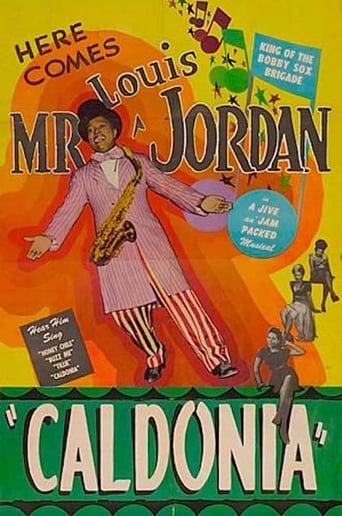
Milton 'Milt' Hinton — American jazz double bassist who had a brief but notable appearance in classic cinema. Born in Vicksburg, Mississippi, in 1910, Hinton moved to Chicago as a child where he began his musical journey, initially studying violin before switching to bass. He rose to prominence in the 1930s as a member of Cab Calloway's orchestra, establishing himself as one of the era's most innovative and influential bass players. His appearance in the 1945 musical short 'Caldonia' represented one of his rare film performances, where he showcased his exceptional bass playing skills as part of Louis Jordan's Tympany Five. Throughout his career, Hinton became recorded musicians in jazz history, appearing on thousands of recordings with virtually every major jazz artist of the 20th century. His film appearances were limited to musical performances rather than dramatic acting roles, but his contribution to the sound of classic Hollywood and jazz cinema was immeasurable. Hinton continued performing and recording well into his later years, becoming a beloved elder statesman of jazz until his death in 2000.
The Craft
On Screen
Primarily appeared as himself in musical performances rather than dramatic acting, showcasing his exceptional bass playing abilities on screen
Milestones
- Member of Cab Calloway's orchestra (1936-1941)
- Performed in 'Caldonia' (1945) with Louis Jordan
- Became
- Played with Count Basie, Duke Ellington, and Benny Goodman
- Taught at Hunter College and Baruch College
- Authored autobiography 'Bass Line' in 1988
- Received National Endowment for the Arts Jazz Masters fellowship (1993)
Best Known For
Iconic Roles
Must-See Films
Accolades
Won
- National Endowment for the Arts Jazz Masters Fellowship (1993)
- African American Jazz Hall of Fame Inductee
- International Society of Bassists Lifetime Achievement Award
Nominated
- Grammy nomination for Best Jazz Instrumental Performance (1975)
Special Recognition
- Honorary Doctorate from Berklee College of Music
- Inducted into the Big Band and Jazz Hall of Fame
- Received the A.B. Spellman NEA Jazz Masters Award
Working Relationships
Worked Often With
Studios
Why They Matter
Impact on Culture
Milt Hinton's impact on cinema was primarily through his contributions to the musical sound of early films and shorts, particularly in the jazz and rhythm and blues genres. His appearance in 'Caldonia' helped document the transition from swing to early R&B music that would influence popular music for decades. As. His visual presence in film helped bring jazz music to wider audiences, breaking down racial barriers through the universal language of music.
Lasting Legacy
Milt Hinton's legacy in film history, while not extensive in terms of screen time, represents an important documentation of jazz performance during the golden age of American music. His work in 'Caldonia' and other film appearances serves as a valuable visual record of one of jazz's greatest bassists in action. Beyond his film appearances, his musical contributions to countless soundtracks and recordings have influenced the sound of American cinema for generations. His dedication to preserving jazz history through both his music and photography has provided future generations with invaluable documentation of this crucial period in American cultural history.
Who They Inspired
Hinton influenced countless musicians who followed, both through his innovative bass techniques and his appearances in film that helped popularize jazz music. His slap bass technique and walking bass lines became standards that influenced generations of bassists across all genres of music. His film appearances helped establish the visual template for jazz performance on screen, influencing how musicians were portrayed in cinema. Many later jazz musicians cited seeing Hinton in films as inspiration for pursuing careers in music, particularly African American musicians who saw representation and excellence in his performances.
Off Screen
Milt Hinton married Mona Clay in 1939, and their marriage lasted over 60 years until his death. He was known not only as a brilliant musician but also as an avid photographer, documenting the jazz world through thousands of candid photographs of fellow musicians. Hinton was deeply committed to education and mentoring young musicians, often teaching and conducting workshops. He was known for his warm personality and willingness to share his knowledge with younger generations of jazz artists.
Education
Attended Crane Junior College (now Malcolm X College) in Chicago, studied violin and bass privately
Family
- Mona Clay (1939-2000)
Did You Know?
- Nicknamed 'The Judge' for his dignified demeanor and wisdom
- Appeared in over 1,000 recordings throughout his career
- His photography collection contains over 60,000 images documenting jazz history
- Was one of the first African American musicians to break into the major recording studios
- Played on the first recording session for Verve Records
- Was present at the legendary 'From Spirituals to Swing' concerts at Carnegie Hall
- Served in the Army during World War II, playing in military bands
- Was a founding member of the New York Bassists Club
- His autobiography 'Bass Line' is considered a classic jazz literature
- Continued performing professionally into his late 80s
In Their Own Words
A bass player's job is to make the band sound good, no matter who's in the band.
Jazz is not just music, it's a way of life. It's about freedom and expression.
I've been lucky enough to play with almost everyone who mattered in this music, and every night was a learning experience.
The bass is the foundation of the music. If the foundation ain't right, the house will fall.
Photography was my way of preserving our history. If I didn't take these pictures, who would remember?
Frequently Asked Questions
Who was Milt Hinton?
Legendary American jazz double bassist who had a brief appearance in classic cinema, most notably in the 1945 musical short 'Caldonia'. While primarily known as.
What films is Milt Hinton best known for?
Titles linked here include Caldonia (1945).
When was Milt Hinton born and when did he die?
Born June 23, 1910; died December 19, 2000.
What awards did Milt Hinton win?
Milt Hinton received numerous prestigious awards including the National Endowment for the Arts Jazz Masters Fellowship in 1993, induction into the African American Jazz Hall of Fame, an honorary doctorate from Berklee College of Music, and the International Society of Bassists Lifetime Achievement Award for his contributions to music and education.
What was Milt Hinton's performing style?
Hinton was renowned for his innovative slap bass technique and masterful walking bass lines that provided the rhythmic foundation for countless jazz recordings. His style combined technical virtuosity with deep musical sensitivity, making him.