Fay Bainter
Actor
Born: December 7, 1893 in Los Angeles, California, USA Died: April 16, 1968 Active: 1912-1961 Birth Name: Fay Okell Bainter
Films
1 film
About Fay Bainter
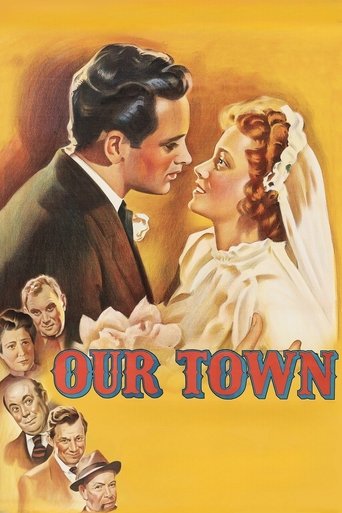
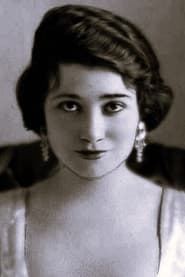
American actress: over five decades, from the silent era through the golden age of Hollywood. Born into a theatrical family in Los Angeles, she began her career on stage as a child performer before transitioning to films in the early 1930s. Bainter made history in 1938 by becoming the first performer to receive Academy Award nominations in both leading and supporting categories in the same year, winning Best Supporting Actress for her role in 'Jezebel' while being nominated for Best Actress for 'White Banners'. Throughout the 1930s and 1940s, she established herself as one of Hollywood's most reliable character actresses, often portraying warm, maternal figures or formidable matriarchs with remarkable depth and authenticity. Her performance as Mrs. Gibbs in the 1940 adaptation of Thornton Wilder's 'Our Town' showcased her ability to embody both the wisdom and vulnerability of small-town American life. As her career progressed, she successfully transitioned to television in the 1950s while continuing to appear in films. Bainter's final screen appearance came in 1961, capping a remarkable career that on American cinema.
The Craft
On Screen
Bainter was known for her naturalistic, understated acting style that brought remarkable authenticity to her character roles. She possessed a unique ability to convey complex emotions through subtle facial expressions and carefully modulated vocal tones, often portraying maternal figures with warmth and wisdom. Her technique emphasized psychological realism over theatrical exaggeration, making her particularly effective in domestic dramas and family-oriented films. Bainter's approach was characterized by her meticulous preparation and deep understanding of her characters' motivations, allowing her to create fully realized personalities even in supporting roles.
Milestones
- First performer to receive dual Oscar nominations in the same year (1938)
- Academy Award for Best Supporting Actress for 'Jezebel' (1938)
- Stage debut at age 6 with stock theater company
- Successful transition from silent films to talkies
- television career in the 1950s
Best Known For
Iconic Roles
Must-See Films
Accolades
Won
- Academy Award for Best Supporting Actress - 'Jezebel' (1938)
- New York Film Critics Circle Award for Best Actress - 'White Banners' (1938)
Nominated
- Academy Award nomination for Best Actress - 'White Banners' (1938)
- Academy Award nomination for Best Supporting Actress - 'The Children's Hour' (1961)
Special Recognition
- Hollywood Walk of Fame Star (located at 6821 Hollywood Boulevard)
- Academy of Motion Picture Arts and Sciences founding member
Working Relationships
Worked Often With
Studios
Why They Matter
Impact on Culture
Fay Bainter's impact on American cinema extends far beyond her memorable performances. Her historic dual Oscar nominations in 1938 paved the way for greater recognition of character actors and supporting performers in Hollywood, challenging the industry's focus on leading roles. Bainter embodied the archetype of the wise, compassionate matriarch that became a staple in American family dramas, influencing how maternal figures were portrayed in subsequent decades. Her work helped establish the importance of nuanced supporting performances in ensemble films, demonstrating that complex character development could occur even with limited screen time. Additionally, her successful transition from stage to film to television represented the adaptability required of performers during the rapid evolution of entertainment media in the 20th century.
Lasting Legacy
Fay Bainter's legacy endures through her groundbreaking achievements and the timeless quality of her performances. As the first dual Oscar nominee, she opened doors for future generations of character actors to receive the recognition they deserved. Her portrayal of Mrs. Gibbs in 'Our Town' remains one of cinema's most touching depictions of maternal wisdom and small-town American values. Bainter's filmography serves as a masterclass in character acting, with each performance demonstrating her ability to create fully realized personalities that enhanced the narratives of countless films. Her influence can be seen in the work of subsequent character actresses who followed her example of bringing depth and authenticity to supporting roles. The Hollywood Walk of Fame star bearing her name ensures that her contributions to cinema will be remembered by future generations of film lovers.
Who They Inspired
Bainter influenced generations of character actors through her demonstration that supporting roles could be as impactful as leads. Her naturalistic acting style inspired performers to prioritize authenticity over theatricality, particularly in domestic dramas. Young actresses studying her work learned the importance of subtle emotional expression and the power of restraint in performance. Her successful career longevity showed that character actors could maintain relevance throughout changing cinematic eras, from the studio system through the transition to independent film and television. Directors frequently cited her professionalism and reliability as setting standards for character actors, making her a model for industry conduct.
Off Screen
Fay Bainter married naval officer Reginald Venable in 1921, and their marriage lasted until his death in 1964. The couple had one daughter, actress Kathryn Venable Seldes, who followed in her mother's theatrical footsteps. Bainter was known for her private nature and rarely discussed her personal life in public, preferring to let her work speak for itself. Despite her Hollywood success, she maintained a relatively modest lifestyle and was actively involved in charitable work, particularly supporting organizations dedicated to children's welfare and the arts. She was also a devoted grandmother and spent her later years enjoying time with her family.
Education
Educated at Los Angeles High School, received early theatrical training from her mother who was an actress, studied acting with various drama coaches in New York and Los Angeles
Family
- Reginald Venable (1921-1964)
Did You Know?
- Made history as first person nominated for two acting Oscars in the same year (1938)
- Began her stage career at age 6 in a production of 'The Little Princess'
- Was a founding member of the Screen Actors Guild
- Her mother was also an actress and managed her early career
- Spoke fluent French and often served as translator on international film sets
- Turned down the role of Melanie Hamilton in 'Gone with the Wind' to appear in 'Jezebel'
- Was a close friend of Bette Davis and appeared in five films with her
- Received her star on the Hollywood Walk of Fame in 1960
- Was an accomplished painter in her private life
- Never appeared in a western film during her entire career
In Their Own Words
Acting is not about being someone different. It's finding the similarity in what is apparently different, then finding myself in there.
I never wanted to be a star. I wanted to be an actress. There's a great difference.
The camera is a remarkable instrument. It can see right through you if you're not telling the truth.
In every character, there's a piece of yourself. The trick is finding which piece fits where.
Frequently Asked Questions
Who was Fay Bainter?
American character actress active from the 1910s through the 1960s, best known for her warm, maternal roles and her historic Academy Award win for 'Jezebel' (1938). She made history as the first performer to receive Oscar nominations in both leading and supporting categories in the same year.
What films is Fay Bainter best known for?
Titles linked here include Jezebel (1938), Our Town (1940).
When was Fay Bainter born and when did she die?
Born December 7, 1893; died April 16, 1968.
What awards did Fay Bainter win?
Fay Bainter won the Academy Award for Best Supporting Actress for 'Jezebel' (1938) and the New York Film Critics Circle Award for Best Actress for 'White Banners' (1938). She also received a star on the Hollywood Walk of Fame.
What was Fay Bainter's acting style?
Bainter was known for her naturalistic, understated acting style that emphasized psychological realism and emotional authenticity. She excelled at portraying complex maternal figures with warmth and wisdom, using subtle expressions and carefully modulated vocal tones.
Did Fay Bainter work in television?
Yes, Fay Bainter successfully transitioned to television in the 1950s, appearing in numerous anthology series and dramatic programs, including 'The United States Steel Hour' and 'Playhouse 90', showcasing her versatility across different media.
Was Fay Bainter related to anyone else in Hollywood?
While not from a famous Hollywood dynasty, Bainter's mother Mary Bainter was also an actress, and her daughter Kathryn Venable Seldes became an actress as well, continuing the family's theatrical tradition.