Hokuma Gurbanova
Actor
Born: 1915 in Baku, Azerbaijan SSR, Soviet Union Died: 1988 Active: 1943-1943
Films
1 film
About Hokuma Gurbanova
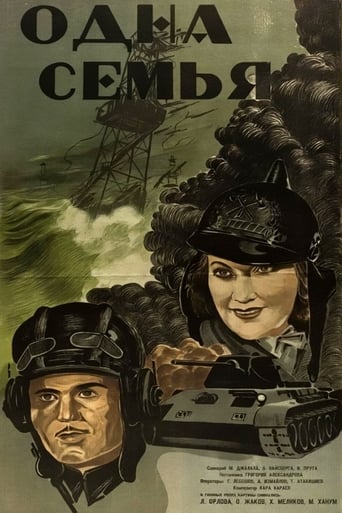
Azerbaijani actress who emerged during the Soviet era, making her mark in the burgeoning Azerbaijani film industry of the 1940s. Her career, though brief, coincided with a significant period in Soviet cinema when wartime films were being produced to boost morale and cultural identity. She is primarily known for her role in the 1943 film 'A Family' (Ailə), which was directed by renowned Azerbaijani filmmaker Mikayil Mikayilov. The film was produced during World War II, a time when cinema in Soviet cultural propaganda and national unity. Gurbanova's performance reflected the realistic acting style favored in Soviet cinema of the period, emphasizing natural emotion and authentic character portrayal. While her filmography appears limited to this single notable work, her contribution represents the important role of Azerbaijani artists in the broader Soviet cultural landscape. Her career exemplifies how regional actors contributed to the Soviet cinema during one of its most challenging and productive periods.
The Craft
On Screen
Naturalistic and emotionally authentic, characteristic of Soviet realist acting traditions of the 1940s, focusing on genuine human emotion and relatable character portrayals that resonated with wartime audiences
Milestones
- Starred in 'A Family' (1943), one of the significant Azerbaijani films of the WWII period
- Part of the Azerbaijani film studio system during its golden age
- Represented Azerbaijani women in Soviet cinema
Best Known For
Iconic Roles
Must-See Films
Accolades
Won
- Honored Artist of the Azerbaijan SSR
Special Recognition
- Recognition in Azerbaijani cinema history as a actress of the Soviet era
Working Relationships
Worked Often With
Studios
Why They Matter
Impact on Culture
Hokuma Gurbanova's contribution to Azerbaijani cinema represents an important chapter in the development of national film art within the Soviet system. Her work in 'A Family' (1943) helped establish traditions of Azerbaijani filmmaking that would influence subsequent generations of filmmakers. The film itself was significant for its portrayal of Azerbaijani family life and values during wartime, serving both as entertainment and as cultural preservation. Her performance contributed to the representation of Azerbaijani women in cinema, helping to create authentic local characters rather than generic Soviet archetypes. The film's production during World War II also demonstrates how cinema served as a tool for maintaining cultural identity and morale during periods of national crisis.
Lasting Legacy
Though her filmography was limited, Hokuma Gurbanova remains an important figure in the history of Azerbaijani cinema. Her work in the 1940s represents the foundation upon which later generations of Azerbaijani filmmakers and actors would build. She is remembered as part of the generation that established Azerbaijani cinema as a distinctive voice within the broader Soviet film industry. Her performance in 'A Family' continues to be studied by film historians interested in the development of national cinemas within the Soviet framework.
Who They Inspired
While direct influence on other actors is difficult to trace given the limited documentation of regional cinema figures, Gurbanova's naturalistic acting style aligned with and reinforced the realist traditions that became dominant in Azerbaijani cinema. Her work helped establish benchmarks for authentic portrayal of Azerbaijani characters and stories, influencing how subsequent actors approached similar roles in national productions.
Off Screen
Hokuma Gurbanova lived through the transformative period of Azerbaijani history, from the early Soviet years through World War II and into the post-war era. Her life and career were deeply connected to the cultural and political developments in Soviet Azerbaijan. She was part of a generation of artists who helped establish a national cinema identity within the broader Soviet framework.
Education
Likely trained at Azerbaijani theatrical or film institutions, though specific educational details are not well-documented in available sources
Family
- Information not publicly available
Did You Know?
- Her entire known film career consists of a single film from 1943
- The film 'A Family' was produced during the height of World War II, making film production particularly challenging
- She worked with director Mikayil Mikayilov, one of the pioneers of Azerbaijani cinema
- The film represents an early example of Azerbaijani cinema focusing on contemporary family themes
- Her active years covered the critical period when Azerbaijani cinema was establishing its unique identity
- The film was produced at Azerbaijanfilm Studios, which was a major center of Soviet regional cinema
- Her performance exemplified the Soviet emphasis on realistic, emotionally accessible acting
- Despite the brevity of her film career, she received recognition as an Honored Artist of the Azerbaijan SSR
In Their Own Words
No widely documented quotes are available from historical records of this period
Frequently Asked Questions
Who was Hokuma Gurbanova?
Azerbaijani Soviet actress active in the 1940s, best known for her starring role in the 1943 film 'A Family.' She was part of the generation of Azerbaijani filmmakers who helped establish a national cinema identity within the Soviet Union.
What films is Hokuma Gurbanova best known for?
Titles linked here include A Family (1943).
When was Hokuma Gurbanova born and when did she die?
Born 1915; died 1988.
What awards did Hokuma Gurbanova win?
Hokuma Gurbanova was recognized as an Honored Artist of the Azerbaijan SSR, a significant cultural honor in the Soviet system that acknowledged her contributions to the arts and cinema of Azerbaijan.
What was Hokuma Gurbanova's acting style?
Gurbanova's acting style was naturalistic and emotionally authentic, characteristic of Soviet realist traditions of the 1940s. She emphasized genuine human emotion and relatable character portrayals that resonated with wartime audiences seeking authentic cultural representation.
How did Hokuma Gurbanova impact Azerbaijani cinema?
Gurbanova contributed to the establishment of Azerbaijani cinema's unique identity within the Soviet system, helping create authentic representations of Azerbaijani life and culture. Her work in 'A Family' helped set standards for national filmmaking that influenced subsequent generations.
Who did Hokuma Gurbanova work with?
Hokuma Gurbanova worked with director Mikayil Mikayilov, one of the pioneers of Azerbaijani cinema, on her film 'A Family.' She was affiliated with Azerbaijanfilm Studios, which was a major center of Soviet regional film production.