Films
1 film
About Fu Jiqiu
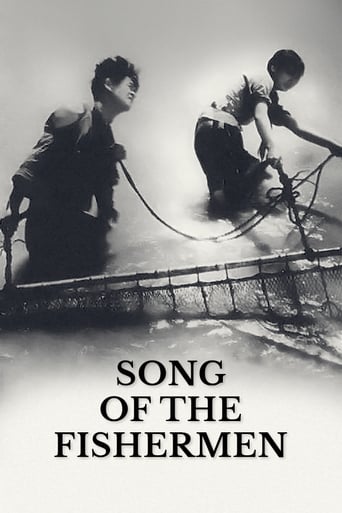
Made his mark during the golden age of Chinese cinema in the 1930s. His known filmography consists of a single but highly significant appearance in the 1934 masterpiece 'Song of the Fishermen,' directed by the renowned Cai Chusheng. This film was for its time, being one of the first Chinese films to gain international recognition and critical acclaim. While Fu Jiqiu's career appears to have been brief, his participation in this landmark film places him within the important movement of socially conscious Chinese cinema that emerged in the 1930s. The film itself was praised for its realistic portrayal of fishing communities and its critique of social injustice, themes that were central to the progressive Chinese cinema of the era. Unfortunately, detailed records about Fu Jiqiu's life and career are scarce, which was common for many actors from this period of Chinese film history, especially those who may have had brief careers or played supporting roles.
The Craft
Milestones
- Appeared in 'Song of the Fishermen' (1934),
Best Known For
Iconic Roles
Must-See Films
Working Relationships
Worked Often With
Why They Matter
Impact on Culture
While Fu Jiqiu's individual impact is difficult to assess due to limited information about his career, his participation in 'Song of the Fishermen' connects him to a significant moment in Chinese cinema history. The film was part of the leftist film movement in 1930s China, which used cinema as a medium for social commentary and critique of contemporary issues. The film's international success, including an award at the Moscow International Film Festival, helped establish Chinese cinema on the global stage and demonstrated the artistic potential of Chinese filmmakers.
Lasting Legacy
Fu Jiqiu's legacy is primarily tied to his appearance in 'Song of the Fishermen,' a film that remains an important artifact of early Chinese cinema. The film continues to be studied by film historians and is recognized as a masterpiece of the period. While Fu Jiqiu himself may not have achieved lasting fame as an individual, his contribution to this significant work places him within the broader narrative of Chinese film history and the development of socially conscious cinema in China.
Who They Inspired
Due to the limited documentation of Fu Jiqiu's career and the apparent brevity of his film work, it's difficult to trace his direct influence on other actors or filmmakers. However, his participation in a film that was part of the influential leftist cinema movement of 1930s China means he was part of a broader cultural shift toward using film as a vehicle for social commentary and artistic expression in Chinese cinema.
Off Screen
Very little is known about Fu Jiqiu's personal life, which is not uncommon for actors from early Chinese cinema, especially those with brief filmographies. Historical records from this period are often incomplete, particularly for supporting actors who may not have achieved widespread fame.
Did You Know?
- 'Song of the Fishermen' was one of the first Chinese films to gain international recognition
- The film won an honorary award at the 1935 Moscow International Film Festival
- Director Cai Chusheng was considered one of the pioneers of Chinese cinema
- The film was praised for its realistic portrayal of working-class life in China
- 1934 was considered part of the golden age of Chinese cinema before the Sino-Japanese War
- The film was produced by the Lianhua Film Company, one of the major studios of the era
- Many records from early Chinese cinema were lost during wartime conflicts
Frequently Asked Questions
Who was Fu Jiqiu?
Chinese with credits in this catalog. His career appears to have been brief, with his only known film work dating from 1934.
What films is Fu Jiqiu best known for?
Titles linked here include Song of the Fishermen (1934).
When was Fu Jiqiu born and when did they die?
Unfortunately, detailed biographical information about Fu Jiqiu, including birth and death dates, is not available in historical records, which is not uncommon for actors from early Chinese cinema, especially those with brief careers.
What awards did Fu Jiqiu win?
There are no records of Fu Jiqiu receiving individual awards or nominations. However, the film he appeared in, 'Song of the Fishermen,' won an honorary award at the 1935 Moscow International Film Festival.
What was Fu Jiqiu's acting style?
Due to limited documentation of Fu Jiqiu's career and the apparent brevity of his film work, there is insufficient information available about his specific acting style or techniques.
Why is 'Song of the Fishermen' significant in film history?
'Song of the Fishermen' is significant as one of the first Chinese films to gain international recognition and as a representative work of the leftist film movement in 1930s China, which used cinema for social commentary and critique of contemporary issues.