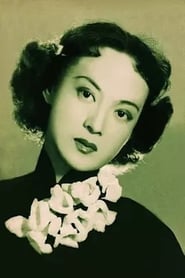
Wang Danfeng
Actor
Born: August 23, 1924 in Shanghai, China Died: May 2, 2018 Active: 1941-1980s Birth Name: Wang Yumei (王玉梅)
Films
1 film
About Wang Danfeng
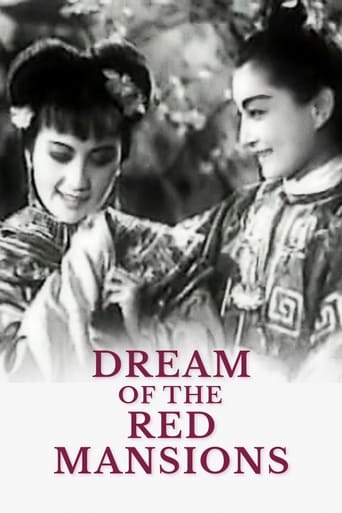
Wang Danfeng (王丹凤) was and actresses in Chinese cinema history, renowned for her exceptional beauty, graceful acting style, and prolific career spanning several decades. Born in Shanghai in 1924, she began her film career in the early 1940s during the golden age of Chinese cinema, quickly rising to stardom with her captivating screen presence. Her breakthrough came with her role in the 1944 adaptation of 'Dream of the Red Mansions,' where she portrayed the character Lin Daiyu with remarkable sensitivity and depth, establishing herself as a leading actress of her generation. Throughout the 1940s and 1950s, she appeared in numerous successful films, becoming bankable stars in the Chinese film industry. Wang Danfeng was particularly known for her ability to embody traditional Chinese feminine ideals while bringing modern sensibilities to her roles, making her a bridge between classical and contemporary Chinese cinema. Her career continued through various political periods in China, adapting her style to changing times while maintaining her status as a beloved cultural icon. She officially retired from acting in the 1980s but remained a respected figure in Chinese cultural circles until her passing in 2018 at the age of 93.
The Craft
On Screen
Wang Danfeng was known for her elegant, refined acting style characterized by subtle emotional expression and graceful movement. She specialized in portraying vulnerable yet resilient female characters, often embodying traditional Chinese feminine virtues while bringing depth and complexity to her roles. Her performances were marked by a delicate balance between classical restraint and emotional authenticity, making her particularly effective in period dramas and romantic films.
Milestones
- Breakthrough role in 'Dream of the Red Mansions' (1944)
- Became one of the 'Four Great Actresses' of Chinese cinema
- Starred in over 50 films throughout her career
- Received lifetime achievement awards from Chinese film institutions
- Named one of the 100 best actors in 100 years of Chinese cinema
Best Known For
Iconic Roles
Must-See Films
Accolades
Won
- Lifetime Achievement Award from China Film Association (2005)
- Special Contribution Award at Shanghai International Film Festival (2013)
- Outstanding Film Artist Award (2017)
Nominated
- Named one of the 100 best actors in 100 years of Chinese cinema (2005)
Special Recognition
- Honored as one of China's national treasures in cinema
- Received special recognition from Chinese Ministry of Culture
- Featured in Chinese Film Hall of Fame
Working Relationships
Worked Often With
Studios
Why They Matter
Impact on Culture
Wang Danfeng's impact on Chinese cinema and culture was profound and enduring. She represented the ideal of Chinese feminine beauty and grace during a transformative period in Chinese history, becoming a cultural touchstone for millions of viewers. Her portrayal of Lin Daiyu in 'Dream of the Red Mansions' set the standard for how this iconic literary character would be interpreted in visual media for decades. Beyond her artistic contributions, she became a symbol of resilience, maintaining her career and dignity through various political upheavals in China, including the Cultural Revolution. Her image and style influenced fashion trends, beauty standards, and cultural aspirations of Chinese women throughout the mid-20th century.
Lasting Legacy
Wang Danfeng's legacy extends far beyond her filmography, as she is remembered as. Her work helped establish the golden age of Chinese film and set benchmarks for acting excellence that continue to be referenced today. She is frequently cited as an inspiration by contemporary Chinese actresses and is studied in film schools as an exemplar of classical Chinese acting techniques. Her life story, spanning from the golden age of Shanghai cinema through the founding of the People's Republic of China and into the modern era, serves as a living history of Chinese cinema itself. The preservation and restoration of her films have become important projects in Chinese film heritage conservation.
Who They Inspired
Wang Danfeng influenced generations of Chinese performers through her distinctive acting style, which combined traditional Chinese theatrical techniques with modern cinematic naturalism. Her approach to character development, particularly in period roles, became a model for actresses in historical dramas. Many contemporary Chinese actresses cite her as a major influence, particularly in how she balanced glamour with substance in her performances. Her career longevity and ability to adapt to changing political and cultural climates while maintaining artistic integrity provided a template for other artists navigating the complex landscape of Chinese cultural production.
Off Screen
Wang Danfeng married Liu Heqing (柳和清) in 1951, who was a film director and cinematographer. Their marriage was considered. The couple had three children together, and despite her immense fame, Wang maintained a relatively private family life, focusing on raising her children away from the public eye. She was known for her traditional values and dedication to family, often citing her role as a wife and mother as equally important to her as her acting career.
Education
Received traditional Chinese education in Shanghai, supplemented with acting training during her early film career
Family
- Liu Heqing (1951-2015)
Did You Know?
- Her stage name 'Danfeng' means 'Red Phoenix' in Chinese
- She was discovered while working as a department store clerk in Shanghai
- Considered
- Her 1944 portrayal of Lin Daiyu is still considered the definitive screen version of the character
- She continued to receive fan mail well into her 80s
- Despite her fame, she was known for her humility and down-to-earth personality
- She survived the Cultural Revolution by temporarily withdrawing from public life
- Her films were banned in Taiwan for many years due to political reasons
- She was skilled in traditional Chinese painting as a hobby
- Her wedding in 1951 was a major social event in Shanghai
In Their Own Words
Acting is not just performing, it's living the character's life with truth and sincerity
Beauty on screen must come from beauty in the heart
An actress's greatest responsibility is to bring joy and inspiration to the audience
The camera never lies, so an actor must always be honest in their performance
Frequently Asked Questions
Who was Wang Danfeng?
Wang Danfeng was. She rose to stardom in the 1940s and became an icon of Chinese cinema, appearing in over 50 films throughout her career spanning four decades.
What films is Wang Danfeng best known for?
Titles linked here include Dream of the Red Mansions (1944), The Unfinished Story (1947).
When was Wang Danfeng born and when did she die?
Born August 23, 1924; died May 2, 2018.
What awards did Wang Danfeng win?
Wang Danfeng received numerous honors including a Lifetime Achievement Award from the China Film Association in 2005, a Special Contribution Award at the Shanghai International Film Festival in 2013, and was named one of the 100 best actors in 100 years of Chinese cinema in 2005.
What was Wang Danfeng's acting style?
Wang Danfeng was known for her elegant, refined acting style characterized by subtle emotional expression and graceful movement. She specialized in portraying vulnerable yet resilient female characters, often embodying traditional Chinese feminine virtues while bringing depth and complexity to her roles.