Films
1 film
About K M Nambirajan
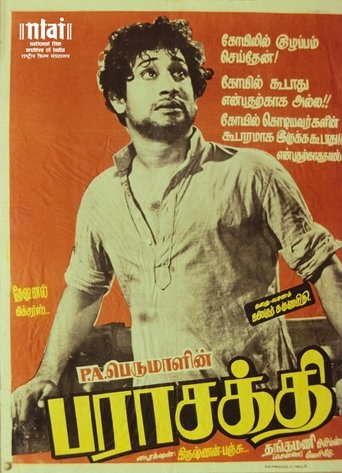
Made his mark in the landmark film Parasakthi (1952), which became a cultural phenomenon in South Indian cinema. Though his film career appears to have been brief, his participation in this revolutionary film that launched the Sivaji Ganesan's career places him in an important historical context of Tamil cinema's golden era. Parasakthi was notable for its bold social commentary and powerful dialogues that challenged traditional norms, making it a significant milestone in Indian film history. Nambirajan was part of the supporting cast that helped bring this story to life during a transformative period in Tamil cinema when films began addressing social issues more directly. His appearance in this debut production of Sivaji Ganesan, directed by the renowned duo Krishnan-Panju, suggests he was part of the theatrical tradition that supplied early Tamil cinema with trained actors. The film's immense success and controversial themes made it a talking point across Tamil Nadu, though detailed records about Nambirajan's specific contributions and subsequent career remain scarce in documented film history.
The Craft
Milestones
- Appeared in the landmark Tamil film Parasakthi (1952)
- Part of the cast that launched Sivaji Ganesan's legendary career
- Contributed to
Best Known For
Iconic Roles
Must-See Films
Working Relationships
Worked Often With
Studios
Why They Matter
Impact on Culture
K M Nambirajan's contribution to Tamil cinema, though brief, is significant through his participation in Parasakthi (1952), a film that revolutionized Tamil cinema by introducing bold social themes and powerful dialogue delivery. The film marked a departure from traditional mythological stories and addressed contemporary social issues, setting a new precedent for Indian cinema. As part of this groundbreaking production, Nambirajan contributed to a film that challenged orthodox thinking and became a cultural touchstone in Tamil Nadu. The movie's success demonstrated the potential of cinema as a medium for social commentary and political discourse, influencing generations of Tamil filmmakers. Parasakthi's impact extended beyond entertainment, becoming part of the Dravidian movement's cultural arsenal and helping shape political discourse in the region.
Lasting Legacy
K M Nambirajan's legacy is primarily tied to his association with Parasakthi (1952),. While his individual contribution may not be extensively documented, his participation in this landmark film places him within the historical narrative of Tamil cinema's evolution from mythological and historical subjects to contemporary social themes. The film itself continues to be studied and referenced in discussions about Indian cinema's role in social and political movements. Nambirajan represents the many supporting actors from early Indian cinema whose contributions, while not individually celebrated, collectively helped build the foundation of regional film industries.
Who They Inspired
As a supporting actor in a historically significant film, K M Nambirajan's direct influence on subsequent generations of actors is difficult to trace. However, his participation in Parasakthi contributed to establishing a new paradigm for Tamil cinema that influenced countless future filmmakers and actors. The film's success in blending entertainment with social commentary created a template that many subsequent Tamil films would follow, indirectly influencing the entire trajectory of South Indian cinema.
Off Screen
Very limited information is available about K M Nambirajan's personal life, as detailed records of supporting actors from early Tamil cinema are scarce. Like many actors of his era, he likely came from a theatrical background before transitioning to films during the early talkies period.
Did You Know?
- Parasakthi (1952) was the debut film of the legendary Sivaji Ganesan, making K M Nambirajan part of this historic moment
- The film was produced by AVM Productions, one of the oldest and most prestigious film studios in South India
- Parasakthi's dialogues, written by M. Karunanidhi (future Chief Minister of Tamil Nadu), were considered revolutionary for their time
- The film faced initial censorship challenges due to its bold social critique
- Parasakthi marked a shift in Tamil cinema from mythological themes to contemporary social issues
- The film's success helped establish the Dravidian movement's influence in Tamil cinema
- K M Nambirajan was part of the cast during the early talkies period when Tamil cinema was transitioning from silent films
- The film's music was composed by R. Sudarsanam and featured songs that became popular classics
Frequently Asked Questions
Who was K M Nambirajan?
Early Tamil cinema with credits in this catalog.
What films is K M Nambirajan best known for?
Titles linked here include Parasakthi (1952).
When was K M Nambirajan born and when did he die?
Specific birth and death dates for K M Nambirajan are not documented in available film history records, which is common for supporting actors from early Tamil cinema.
What awards did K M Nambirajan win?
There are no documented awards or nominations for K M Nambirajan in available film archives, which was typical for many supporting actors in early Indian cinema.
What was K M Nambirajan's acting style?
Detailed information about K M Nambirajan's specific acting style is not available in documented film history, though actors of his era in Parasakthi were noted for their theatrical training and powerful dialogue delivery.
Why is Parasakthi (1952) historically significant?
Parasakthi is historically significant as it marked Sivaji Ganesan's debut, featured revolutionary social themes, included politically charged dialogues by future Chief Minister M. Karunanidhi, and helped establish a new direction for Tamil cinema addressing contemporary social issues.