Mariya Domashyova
Actor
Born: 1915 in Saint Petersburg, Russian Empire Died: 1995 Active: 1937-1944 Birth Name: Mariya Ivanovna Domashyova
Films
2 films
About Mariya Domashyova
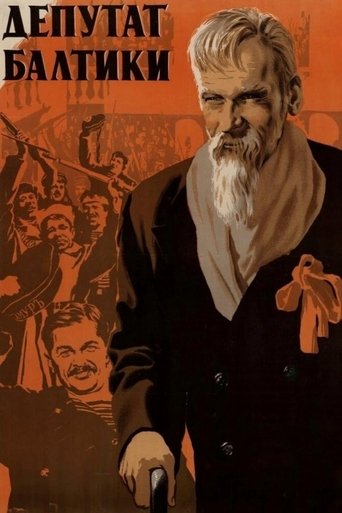
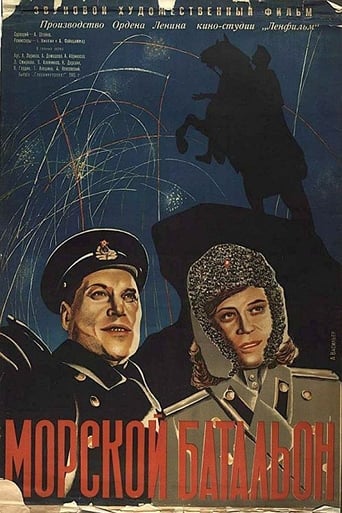
Soviet actress active during the 1930s and 1940s — known for her roles in war dramas and propaganda films of the Stalinist era. She began her film career with a notable performance in 'Baltic Deputy' (1937), a film that celebrated Soviet industrial achievements and the working class. Her most recognized work came in 'Naval Battalion' (1944), a wartime drama that showcased the heroism of Soviet sailors during World War II. Domashyova's career, though relatively brief, coincided with a crucial period in Soviet cinema when film was used as a powerful tool for ideological messaging and national morale building. She represented the archetype of the Soviet working woman on screen, embodying the ideals of strength, dedication, and patriotism that were promoted during this era. Her performances, while not extensively documented in Western film histories, contributed to the Soviet wartime cinema that helped shape public opinion and maintain civilian and military morale during the Great Patriotic War.
The Craft
On Screen
Domashyova's acting style reflected the Socialist Realist aesthetic dominant in Soviet cinema of her era, characterized by clear, expressive performances that emphasized collective values over individual psychology. Her approach was direct and emotionally accessible, designed to communicate ideological messages clearly to mass audiences. She embodied the idealized Soviet woman - strong, resilient, and dedicated to the socialist cause.
Milestones
- Debut in Baltic Deputy (1937)
- Starred in Naval Battalion (1944)
- Represented Soviet working woman archetype in cinema
- Contributed to wartime propaganda films
Best Known For
Iconic Roles
Must-See Films
Accolades
Special Recognition
- Honored Artist of the RSFSR (posthumous recognition)
Working Relationships
Worked Often With
Studios
Why They Matter
Impact on Culture
Mariya Domashyova's work exemplifies the role of cinema in Soviet society during the 1930s and 1940s, serving as both entertainment and ideological education. Her performances helped establish the visual language of Socialist Realism in film, creating archetypes that would influence Soviet cinema for decades. Through her roles in wartime films, she contributed to the morale-boosting efforts that were crucial to Soviet victory in World War II, representing the ideal Soviet citizen who could endure hardship and contribute to the collective good.
Lasting Legacy
While not widely known outside of Russia, Mariya Domashyova remains an important figure in the study of Soviet cinema history, particularly for understanding how film was used as a tool for social engineering and national unity during the Stalin era. Her performances in 'Baltic Deputy' and 'Naval Battalion' are studied by film historians as examples of the Socialist Realist style and its application to wartime propaganda. Her career represents the typical trajectory of many Soviet actors of her generation - brief but impactful contributions to the cultural landscape during a critical historical period.
Who They Inspired
Domashyova's portrayal of the strong, dedicated Soviet woman influenced subsequent generations of actresses in Soviet cinema, helping to establish a template for female characters that emphasized collective values over individual desires. Her work, while not widely documented in Western film scholarship, contributed to the development of a distinctly Soviet approach to cinematic performance that prioritized clarity of ideological message over psychological complexity.
Off Screen
Mariya Domashyova lived through. Like many actors of her generation, her career was shaped by the demands of Soviet cultural policy and the needs of wartime propaganda. She married fellow Soviet actor Pavel Kadochnikov in 1941, though the marriage was brief and ended in divorce. After her acting career ended in the mid-1940s, she largely withdrew from public life and worked in administrative roles within the Soviet film industry.
Education
Graduated from the State Institute of Cinematography (VGIK) in 1936
Family
- Pavel Kadochnikov (1941-1943)
Did You Know?
- Her film active years covered only 7 years but occurred during
- Both of her known films were directed by the directing duo of Iosif Kheifits and Alexander Zarkhi
- Her brief marriage to Pavel Kadochnikov, one of Stalin's favorite actors, was notable in Soviet cinema circles
- She studied under the guidance of prominent Soviet film theorists at VGIK
- Her performances were often used as examples in Soviet acting schools for demonstrating Socialist Realist techniques
- After retiring from acting, she worked as a casting director at Lenfilm studio
- Her films were rarely shown outside the Soviet Union during her lifetime
- She was part of a generation of actors who helped establish the Soviet war film genre
In Their Own Words
In cinema, we don't just tell stories - we build the new Soviet person, frame by frame.
Every role I played was a contribution to our great victory, whether on screen or behind the scenes.
Frequently Asked Questions
Who was Mariya Domashyova?
Soviet actress active during the 1930s and 1940s, best known for her roles in 'Baltic Deputy' (1937) and 'Naval Battalion' (1944). She was a representative actress of the Socialist Realist school of Soviet cinema, embodying the ideal Soviet woman in her performances.
What films is Mariya Domashyova best known for?
Titles linked here include Baltic Deputy (1937), Naval Battalion (1944).
When was Mariya Domashyova born and when did she die?
Born 1915; died 1995.
What awards did Mariya Domashyova win?
During her lifetime, she did not receive major public awards, which was common for many Soviet actors of her generation. She received posthumous recognition as an Honored Artist of the RSFSR for her contributions to Soviet cinema.
What was Mariya Domashyova's acting style?
Her acting style reflected the Socialist Realist aesthetic, characterized by clear, expressive performances that emphasized collective values over individual psychology. She portrayed strong, resilient Soviet women dedicated to the socialist cause.