No Poster
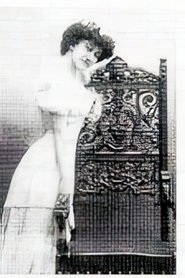
Films
1 film
About Olga Demidoff
French stage and screen actress of the early silent era, primarily active in the years preceding World War I. She is best remembered for her association with the Eclair and Pathé studios, where she collaborated with directors such as Victorin-Hippolyte Jasset and Max Linder. Demidoff often portrayed sophisticated or maternal figures, notably appearing as the mother-in-law in Linder's early comedies and as the pivotal character Olga in the crime serials of the time. Her most significant screen contribution came in 1912 with the film 'Zigomar contre Nick Carter,' where she played a former associate of the villain who aids the detective. Despite her presence in several high-profile productions of the 1910s, much of her personal history remains obscured by the passage of time and the loss of early film records. She was a contemporary of stars like Josette Andriot and Alexandre Arquillière, representing the first generation of professional film actors in France.
The Craft
On Screen
Demidoff's acting style was characteristic of the early French silent school, which transitioned from the exaggerated gestures of the stage to a more nuanced, cinematic pantomime. In her comedic roles with Max Linder, she utilized physical comedy and expressive facial reactions to play the 'straight' character against Linder's antics. In her dramatic and crime roles, such as in the Zigomar series, she adopted a more stoic and mysterious persona, fitting the 'femme fatale' or 'reformed accomplice' archetypes that were popular in early 20th-century pulp adaptations.
Milestones
- Cast as the title-aiding character Olga in the landmark crime film 'Zigomar contre Nick Carter' (1912).
- Collaborated with the legendary silent comedian Max Linder in 'Max et sa belle-mère' (1911).
- Portrayed the historical figure Queen Christina of Sweden in the Film d'Art production 'Monaldeschi' (1911).
- Worked under the direction of Victorin-Hippolyte Jasset, a pioneer of the detective and crime serial genres.
- Member of the Eclair studio's stable of actors during the height of the 'Zigomar' craze.
Best Known For
Iconic Roles
Must-See Films
Accolades
Special Recognition
- Featured in the Jean Desmet Collection, which is included in UNESCO's Memory of the World Register.
Working Relationships
Worked Often With
Studios
Why They Matter
Impact on Culture
Olga Demidoff contributed to the birth of the 'crime serial' genre, which would eventually evolve into the modern thriller and police procedural. By appearing in the Zigomar series, she was part of a cultural phenomenon that captivated European audiences and sparked debates about the morality of depicting master criminals on screen. Her role as a woman who turns against a criminal mastermind to assist a hero (Nick Carter) helped establish the trope of the 'reformed accomplice' in detective fiction.
Lasting Legacy
Demidoff's legacy is preserved primarily through the archives of the Eye Filmmuseum and the Jean Desmet Collection. While many of her contemporaries faded into obscurity, her appearance in 'Zigomar contre Nick Carter' ensures her name remains cited in studies of early French cinema and the history of the detective film. She represents the essential, often unheralded, supporting players who built the foundations of the global film industry.
Who They Inspired
Her work influenced the early portrayal of female characters in action and crime cinema, moving away from the 'damsel in distress' toward roles that were more integrated into the plot's mechanics and espionage elements.
Off Screen
Little is recorded regarding Demidoff's personal life outside of her professional credits. She was part of the vibrant Parisian theatrical and cinematic community during the Belle Époque, a period where many stage actors were beginning to experiment with the new medium of film. Her work with the 'Film d'Art' company suggests she was held in high regard as a performer capable of handling prestigious historical and literary material.
Education
Likely trained in the French theatrical tradition, though specific conservatories are not documented.
Did You Know?
- She played the mother-in-law to Max Linder, who was one of the first global superstars of cinema.
- Her film 'Zigomar contre Nick Carter' was a crossover event, bringing together a French literary villain and an American pulp detective.
- She is one of the few actresses from the 1911 'Monaldeschi' whose performance has been identified in surviving nitrate prints.
- Demidoff worked during the 'Golden Age' of the Eclair studio in Épinay-sur-Seine.
- Her character in Zigomar is credited with the same first name as her own: Olga.
Frequently Asked Questions
Who was Olga Demidoff?
French silent film actress active in the early 1910s. She is best known for her roles in early crime serials and comedies produced by the Eclair and Pathé studios.
What films is Olga Demidoff best known for?
Titles linked here include Zigomar contre Nick Carter (1912), Max et sa belle-mère (1911).
When was Olga Demidoff active in the film industry?
Her recorded film career was brief but impactful, spanning roughly from 1911 to 1912 during the formative years of the French film industry.
What was Olga Demidoff's role in the Zigomar series?
In 'Zigomar contre Nick Carter,' she played Olga, a former girlfriend of the villainous Zigomar who decides to help the detective Nick Carter bring the criminal to justice.
What is the historical significance of Olga Demidoff's work?
Demidoff — pioneer of the crime and detective genre in cinema. Her films are studied today as early examples of cross-media adaptations and the development of cinematic narrative structure.