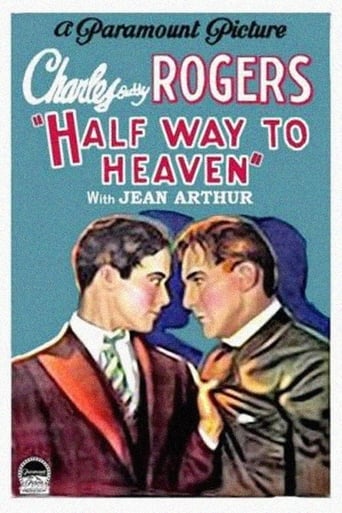
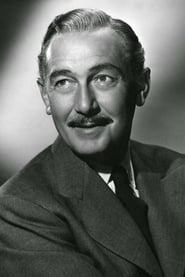
Paul Lukas
Actor
Born: May 26, 1891 in Budapest, Austria-Hungary (now Hungary) Died: August 15, 1971 Active: 1916-1965 Birth Name: Pál Lukács
Films
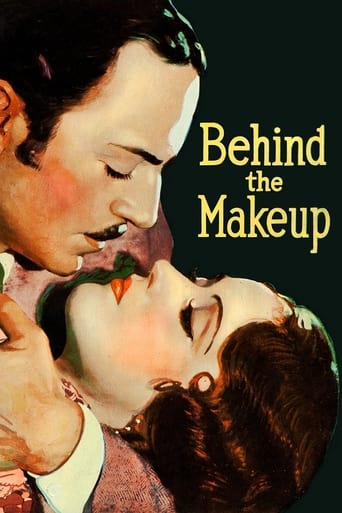
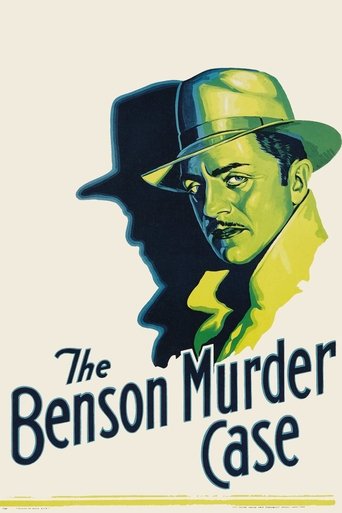
3 films
About Paul Lukas
Paul Lukas, born Pál Lukács, was a Hungarian-American actor active from silent European cinema through Hollywood's golden age. He began his acting career on the Hungarian stage at age 18 before transitioning to films in 1916, appearing in numerous Hungarian, German, and Austrian productions. After establishing himself as a leading man in European cinema, he immigrated to the United States in the late 1920s and successfully transitioned to Hollywood, where his sophisticated demeanor and distinctive accent became his trademarks. His career reached its pinnacle with an Academy Award-winning performance in 'Watch on the Rhine' (1943), where he portrayed an anti-fascist German émigré, a role that resonated deeply during World War II. Throughout his five-decade career, Lukas appeared in over 80 films, often playing cultured gentlemen, professors, and authority figures with intellectual depth and moral complexity. He continued working in film, television, and theater through the 1950s and early 1960s before retiring to Morocco, where he spent his final years.
The Craft
On Screen
Paul Lukas was renowned for his dignified, sophisticated performances characterized by a distinctive European accent and continental refinement. His acting style emphasized subtle emotional depth and intellectual gravitas, often bringing theatrical technique to his film roles. He excelled at portraying cultured gentlemen, academics, and authority figures with complex moral dimensions. Lukas had a commanding screen presence that allowed him to convey deep emotions through restrained gestures and nuanced facial expressions, making him particularly effective in dramatic roles requiring psychological complexity.
Milestones
- Academy Award for Best Actor for 'Watch on the Rhine' (1943)
- Successful transition from European cinema to Hollywood
- stage career in Hungary and Germany
- Roles in both silent and sound films spanning five decades
- New York Film Critics Circle Award for Best Actor (1943)
Best Known For
Iconic Roles
Must-See Films
Accolades
Won
- Academy Award for Best Actor (1943) for 'Watch on the Rhine'
- New York Film Critics Circle Award for Best Actor (1943) for 'Watch on the Rhine'
Nominated
- Academy Award nomination for Best Actor (1936) for 'Dodsworth'
- Golden Globe nomination for Best Actor (1943)
Special Recognition
- Hollywood Walk of Fame star (located at 6821 Hollywood Blvd)
- Hungarian Film Hall of Fame inductee
Working Relationships
Worked Often With
Studios
Why They Matter
Impact on Culture
Paul Lukas significantly impacted cinema by representing the sophisticated European intellectual in Hollywood films, helping to broaden the character types portrayed in American cinema during the 1930s and 1940s. His Academy Award-winning role in 'Watch on the Rhine' was particularly significant for its anti-fascist message during World War II, contributing to important political discourse of the era. As one of the first European actors to achieve major success in Hollywood while maintaining his distinctive identity, he helped pave the way for other foreign-born actors in American cinema. His performances often carried subtle political and moral themes that elevated the intellectual content of popular films.
Lasting Legacy
Paul Lukas is remembered as a figure who successfully bridged European and American cinema traditions, demonstrating that foreign-born actors could achieve leading status in Hollywood without completely assimilating. His Oscar win for 'Watch on the Rhine' remains significant as one of the early Academy Awards given to an actor with a prominent foreign accent. His body of work continues to be studied for its subtlety and emotional depth, particularly his ability to convey complex moral and political themes through character performance. Lukas' career serves as an example of artistic integrity and adaptability across different film industries and eras.
Who They Inspired
Paul Lukas influenced subsequent generations of European actors in Hollywood by demonstrating that a foreign accent and sophisticated demeanor could be assets rather than obstacles in American cinema. His method of bringing theatrical gravitas to film roles influenced the development of character acting in Hollywood, particularly in the portrayal of intellectuals and authority figures. Actors such as Peter Cushing, Christopher Lee, and later Anthony Hopkins have cited Lukas as an influence in their approach to playing educated, cultured characters. His success also helped establish the archetype of the European émigré intellectual in American cinema, a character type that became increasingly common in post-war films.
Off Screen
Paul Lukas was known for maintaining a private personal life while being respected for his professionalism and dedication to his craft. He served in the Austro-Hungarian Army during World War I before pursuing his acting career. After achieving success in Hollywood, he became a naturalized American citizen in 1937. In his later years, he developed a love for Morocco and moved to Tangier, where he lived until his death from a heart attack at age 80. He was known among colleagues as a cultured intellectual who spoke multiple languages fluently and maintained friendships with many European émigré artists in Hollywood.
Education
Studied at the Hungarian Academy of Dramatic Arts in Budapest
Family
- Asta Nielsen (1911-1914)
- Dusil Klee (1916-1918)
- Anzio Mazzini (1927-1971)
Did You Know?
- Born as Pál Lukács in Budapest, Hungary
- Spoke multiple languages fluently including Hungarian, German, English, and French
- Began his career on the Hungarian stage at age 18
- Made his film debut in 1916 in Hungarian silent films
- Was a close friend of fellow Hungarian actor Bela Lugosi
- His Oscar win for 'Watch on the Rhine' was considered an upset over more famous nominees
- Retired to Tangier, Morocco where he lived until his death
- Served in the Austro-Hungarian Army during World War I
- Was considered for the role of Captain von Trapp in 'The Sound of Music' before Christopher Plummer was cast
- His distinctive voice made him popular in radio dramas during the 1930s and 1940s
- Appeared in films in five different languages throughout his career
In Their Own Words
Acting is not about being someone different. It's finding the similarity in what is apparently different and then finding myself in there.
The accent is not a handicap. It is an asset. It tells the audience immediately that I am not from around here, that I bring with me a different perspective.
In America, they want you to be yourself, but they also want you to be what they expect you to be. The trick is finding the balance.
Frequently Asked Questions
Who was Paul Lukas?
Hungarian-American with credits in this catalog. He won an Academy Award for Best Actor for his role in 'Watch on the Rhine' (1943) and was known for playing sophisticated, cultured characters with his distinctive European accent.
What films is Paul Lukas best known for?
Titles linked here include Watch on the Rhine (1943), Dodsworth (1936).
When was Paul Lukas born and when did he die?
Born May 26, 1891; died August 15, 1971.
What awards did Paul Lukas win?
Paul Lukas won the Academy Award for Best Actor in 1943 for his performance in 'Watch on the Rhine' and also received the New York Film Critics Circle Award for Best Actor for the same role. He had previously been nominated for an Oscar for 'Dodsworth' in 1936.
What was Paul Lukas's acting style?
Paul Lukas was known for his dignified, sophisticated performances characterized by subtle emotional depth and intellectual gravitas. His distinctive European accent and continental refinement became his trademarks, often playing cultured gentlemen and authority figures with complex moral dimensions through restrained gestures and nuanced expressions.
How did Paul Lukas transition from European to American cinema?
Paul Lukas began his career in Hungarian and German cinema in the 1910s and 1920s, becoming a leading man in European films. He immigrated to the United States in the late 1920s and successfully transitioned to Hollywood, where his sophisticated demeanor and distinctive accent became valuable assets rather than obstacles to his career.
What was Paul Lukas's legacy in film history?
Paul Lukas's legacy includes being one of the first European actors to achieve major success in Hollywood while maintaining his distinctive identity, paving the way for other foreign-born actors. His Oscar win helped establish that actors with foreign accents could achieve leading status in American cinema, and his performances continue to be studied for their subtlety and emotional depth.