
Ted de Corsia
Actor
Born: September 29, 1903 in Brooklyn, New York, USA Died: April 11, 1973 Active: 1947-1973 Birth Name: Edward Gildea De Corsia
Films
1 film
About Ted de Corsia
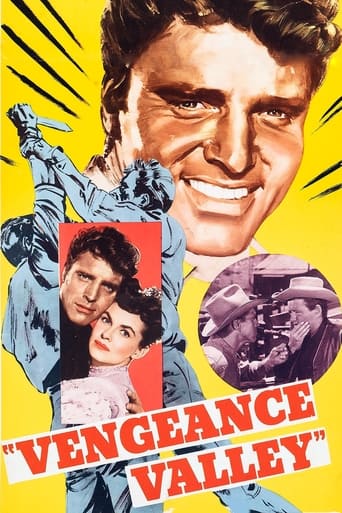
Prolific American character actor: imposing presence and distinctive gravelly voice made him one of Hollywood's most recognizable supporting players during the Golden Age of cinema. Born Edward Gildea De Corsia, he began his career in radio during the 1930s, where his deep resonant voice made him a natural for dramatic roles before transitioning to film in the mid-1940s. His breakthrough came with his chilling performance as the killer in Orson Welles' 'The Lady from Shanghai' (1947), which established him as a reliable villain and heavy in numerous film noirs and westerns. Throughout his career spanning three decades, de Corsia appeared in over 100 films and television shows, often portraying gangsters, police chiefs, military officers, and other authority figures with equal effectiveness. His memorable performances included roles in classic films like 'The Killing' (1956), 'The Big Clock' (1948), and 'Vengeance Valley' (1951). Despite never achieving leading man status, de Corsia's distinctive appearance and voice made him an invaluable character actor who elevated every production he appeared in. He continued working steadily through the 1960s in both film and television until his death in 1973.
The Craft
On Screen
Ted de Corsia was known for his commanding screen presence and distinctive deep, gravelly voice that made him instantly recognizable. He specialized in playing authoritative figures, often villains or tough guys, with a naturalistic intensity that brought authenticity to his roles. His physical stature and intense gaze allowed him to dominate scenes even when playing supporting characters. De Corsia had a particular talent for conveying menace and authority through subtle facial expressions and his powerful vocal delivery.
Milestones
- Breakthrough role in 'The Lady from Shanghai' (1947)
- Memorable performance in Stanley Kubrick's 'The Killing' (1956)
- Prolific television career in the 1950s and 1960s
- Over 100 film and television appearances
- Radio career preceding his film work
Best Known For
Iconic Roles
Must-See Films
Accolades
Special Recognition
- Hollywood Walk of Fame star (Television)
Working Relationships
Worked Often With
Studios
Why They Matter
Impact on Culture
Ted de Corsia's contribution to classic cinema lies in his embodiment of the archetypal film noir heavy and western antagonist. His distinctive voice and imposing presence helped define the visual and auditory language of American crime films in the 1940s and 1950s. As. His performances in film noirs particularly helped establish the genre's conventions of the menacing antagonist and corrupt authority figure.
Lasting Legacy
Ted de Corsia's legacy endures through his extensive body of work that continues to be studied by film scholars and enjoyed by classic cinema enthusiasts. His performances in landmark films like 'The Lady from Shanghai' and 'The Killing' remain reference points for character acting in American cinema. The gravelly voice and commanding presence he brought to his roles influenced subsequent generations of character actors who specialized in playing antagonists. His Hollywood Walk of Fame star stands as a permanent tribute to his contributions to American entertainment.
Who They Inspired
De Corsia influenced character actors through his ability to create memorable, three-dimensional antagonists despite limited screen time. His naturalistic approach to villainy, avoiding cartoonish evil in favor of grounded menace, set a standard for supporting performances in crime films. Many later character actors, particularly in television police dramas and crime shows, drew inspiration from de Corsia's authoritative screen presence and distinctive vocal delivery.
Off Screen
Ted de Corsia was known as a private individual who kept his personal life largely out of the public eye. He was married twice during his lifetime and maintained a steady career in Hollywood without the typical scandals that plagued many of his contemporaries. Despite often playing villains on screen, colleagues described him as a gentleman off-camera who was well-respected in the industry for his professionalism and reliability.
Education
Attended local schools in Brooklyn, New York; no formal acting training, learned through experience in radio theater
Family
- Ellen de Corsia (married 1930s, divorced)
- Katherine de Corsia (married 1940s, until his death)
Did You Know?
- Began his career as a radio announcer and actor in the 1930s
- His distinctive voice earned him the nickname 'The Voice of Doom' in radio circles
- Orson Welles personally cast him in 'The Lady from Shanghai' after hearing his radio work
- Despite his intimidating screen presence, he was known as a gentle giant off-camera
- Appeared in episodes of nearly every major television series of the 1950s and 1960s
- His final film appearance was in 'The Sting' (1973), released after his death
- Often played police chiefs, detectives, and military officers in addition to gangsters
- Never received top billing but was frequently listed third or fourth in credits
- His height of 6'2" and imposing build made him a natural for authority figures
- Worked steadily until his death from a heart attack at age 69
In Their Own Words
In radio, your voice had to do all the work. In film, you can say nothing and still tell the whole story with your eyes.
I never minded playing the heavy. Villains are always more interesting than heroes - they have reasons for what they do.
Orson Welles taught me that the camera sees everything. You can't fake it when that lens is looking right into your soul.
Frequently Asked Questions
Who was Ted de Corsia?
Screen credits include over 100 films and television shows from the 1940s through the early 1970s. He was particularly famous for playing villains and authority figures in film noirs and westerns.
What films is Ted de Corsia best known for?
Titles linked here include The Lady from Shanghai (1947), The Killing (1956).
When was Ted de Corsia born and when did he die?
Born September 29, 1903; died April 11, 1973.
What awards did Ted de Corsia win?
While Ted de Corsia never received major acting awards or Academy Award nominations, he was honored with a star on the Hollywood Walk of Fame for his contributions to television. His recognition came more from the respect of his peers and the lasting impact of his performances.
What was Ted de Corsia's acting style?
De Corsia was known for his naturalistic intensity and distinctive deep, gravelly voice that made him instantly recognizable. He specialized in creating authentic, menacing characters without resorting to caricature, using subtle expressions and his powerful vocal presence to dominate scenes.